
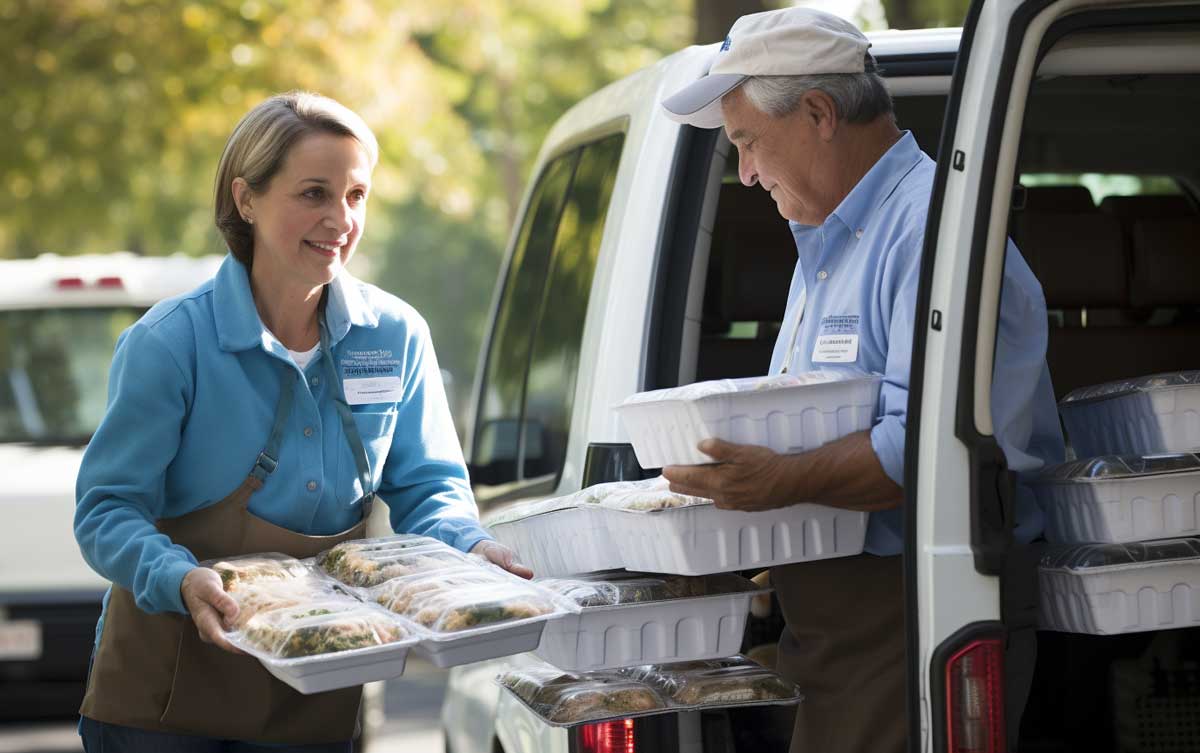
What Is Meals on Wheels?
Meals on Wheels is a nationally recognized nonprofit initiative that delivers prepared meals to seniors who are homebound or at risk of food insecurity. With over 5,000 local branches operating across urban, suburban, and rural areas, it combines nutrition, social engagement, and wellness checks.
The program is overseen by Meals on Wheels America, the umbrella organization that supports and advocates for local providers. However, each local chapter—such as City Meals on Wheels in New York—operates independently, adjusting services to meet local needs and funding conditions.
Why Meals on Wheels Matters
According to the Administration for Community Living (ACL), nearly 1 in 6 older adults in the U.S. faces uncertainty about where their next meal will come from. Seniors often struggle with:
-
Limited mobility preventing regular grocery shopping.
-
Fixed incomes that cannot keep pace with rising food costs.
-
Health conditions requiring specific diets.
-
Loneliness and lack of social contact.
Meals on Wheels addresses all four challenges at once, delivering home delivery meals for seniors, tailored menus, and a personal check-in from volunteers.
How Meals on Wheels Works
-
Eligibility: Primarily for adults aged 60 and older who are unable to prepare meals due to health, mobility, or economic reasons.
-
Meals: Balanced menus meeting USDA nutrition guidelines, often adjusted for dietary needs (low sodium, diabetic-friendly, etc.).
-
Delivery: Volunteers or staff deliver meals directly to homes, often on a daily or weekly schedule.
-
Community Dining: In many areas, congregate meal sites provide social dining for seniors able to leave home.
-
Support Services: Some chapters offer pet food delivery, safety checks, or wellness calls.
The Scale of Meals on Wheels in the U.S.
Chart: Meals on Wheels Service Reach (2022)
| Category | Estimated Impact |
| Seniors served annually | 2.4 million |
| Meals delivered annually | 221 million |
| Volunteers engaged | 500,000+ |
| Local programs nationwide | 5,000+ |
Source: Meals on Wheels America, 2022 Impact Report
This reach demonstrates the program’s dual impact: addressing nutrition security and social isolation simultaneously.
Meals on Wheels Menu: What’s Served
Menus vary by city, but they follow common principles:
-
Balanced nutrition: protein, vegetables, grains, fruit, and dairy.
-
Special diets: diabetic-friendly, low-cholesterol, vegetarian.
-
Cultural variety: adjusted for local preferences (e.g., Latino-inspired meals in Southwest programs).
Example (New York City Meals on Wheels menu):
-
Lemon herb chicken with brown rice and green beans.
-
Baked salmon with roasted sweet potatoes.
-
Vegetarian chili with cornbread.
-
Fresh fruit cups or yogurt.
These meals provide not only calories but also nutrient density, critical for older adults at risk of malnutrition.
Meals on Wheels Funding
Meals on Wheels programs are supported through a mix of funding sources:
-
Federal funds via the Older Americans Act (OAA).
-
State and local government grants.
-
Donations from individuals, businesses, and foundations.
-
Meals on Wheels jobs and volunteer support that reduce operational costs.
Despite broad support, federal funding has not kept pace with senior population growth, forcing many local programs to maintain waiting lists.
Volunteer Power
A major strength of Meals on Wheels is its volunteer-driven model. Volunteers not only deliver meals but also:
-
Provide safety checks.
-
Offer companionship.
-
Serve as a link between seniors and community resources.
Meals on Wheels volunteer opportunities are open in nearly every city, from driving routes to helping in kitchens. For many seniors, the volunteer visit is the only human interaction of the day.
Alternative Programs
While Meals on Wheels is the most well-known, seniors also have access to other nutrition security initiatives:
| Program | Key Features | Comparison to Meals on Wheels |
| Senior Farmers Market Nutrition Program (SFMNP) | Provides coupons to purchase fresh produce at local farmers markets. | Great for mobile seniors, but not suitable for homebound adults. |
| Supplemental Nutrition Assistance Program (SNAP) | Monthly financial assistance for groceries. | Flexible, but requires seniors to shop and prepare meals. |
| Congregate Meal Programs | Hot meals served in community centers, churches, and senior centers. | Promotes social interaction, but requires seniors to leave home. |
| Commercial Home-Delivered Meals (Freshly, Mom’s Meals, etc.) | Subscription meal services delivered via mail. | Convenient, but usually more expensive and without volunteer support. |
Compared to these alternatives, Meals on Wheels for seniors uniquely combines nutritious meals + personal contact + safety monitoring, addressing multiple needs simultaneously.
Challenges Facing Meals on Wheels
-
Funding gaps: Federal support covers less than half of costs.
-
Rising demand: The U.S. senior population is expected to double by 2060.
-
Volunteer shortages: Especially in rural areas with long delivery routes.
-
Awareness: Many seniors or families searching “Meals on Wheels near me” are unaware of eligibility or application steps.
How to Access Meals on Wheels
Search locally: Typing “Meals on Wheels near me” into a browser connects seniors with local chapters.
Eligibility screening: Programs often ask about age, mobility, and income.
Enrollment: Applications are typically online or via phone; social workers may assist.
Waitlists: In some regions, demand exceeds supply, so temporary waiting periods exist.
Employment in Meals on Wheels
Beyond volunteers, the program supports Meals on Wheels jobs in areas like:
-
Nutrition services (dietitians, meal planners).
-
Program coordination.
-
Delivery logistics.
-
Fundraising and development.
For professionals seeking nonprofit careers, it offers meaningful work tied to community well-being.
Q&A: Common Questions About Meals on Wheels
Q1: How much does Meals on Wheels cost for seniors? Most programs request a small donation per meal (e.g., $3–$5), but no senior is denied service due to inability to pay.
Q2: Can Meals on Wheels handle special diets? Yes. Many programs offer menus for diabetic, low-sodium, vegetarian, or cultural dietary preferences.
Q3: How do I find Meals on Wheels near me? Visit Meals on Wheels America’s website, or search “Meals on Wheels + [your city].” Local agencies typically manage intake.
Q4: Can family members volunteer together? Absolutely. Families, schools, and corporate groups often volunteer as delivery teams.
Q5: What’s the difference between Meals on Wheels America and local chapters? Meals on Wheels America provides national support and advocacy, while each city or county program operates independently.
Meals on Wheels is more than a nutrition program—it is a lifeline for seniors facing food insecurity and isolation. By combining balanced meals, personal visits, and community connection, it helps older adults remain healthier, more independent, and more socially engaged.
As the senior population grows, strengthening funding and volunteer support will be essential to ensure that every older adult who needs a meal, a visit, and a friendly smile can receive it.