
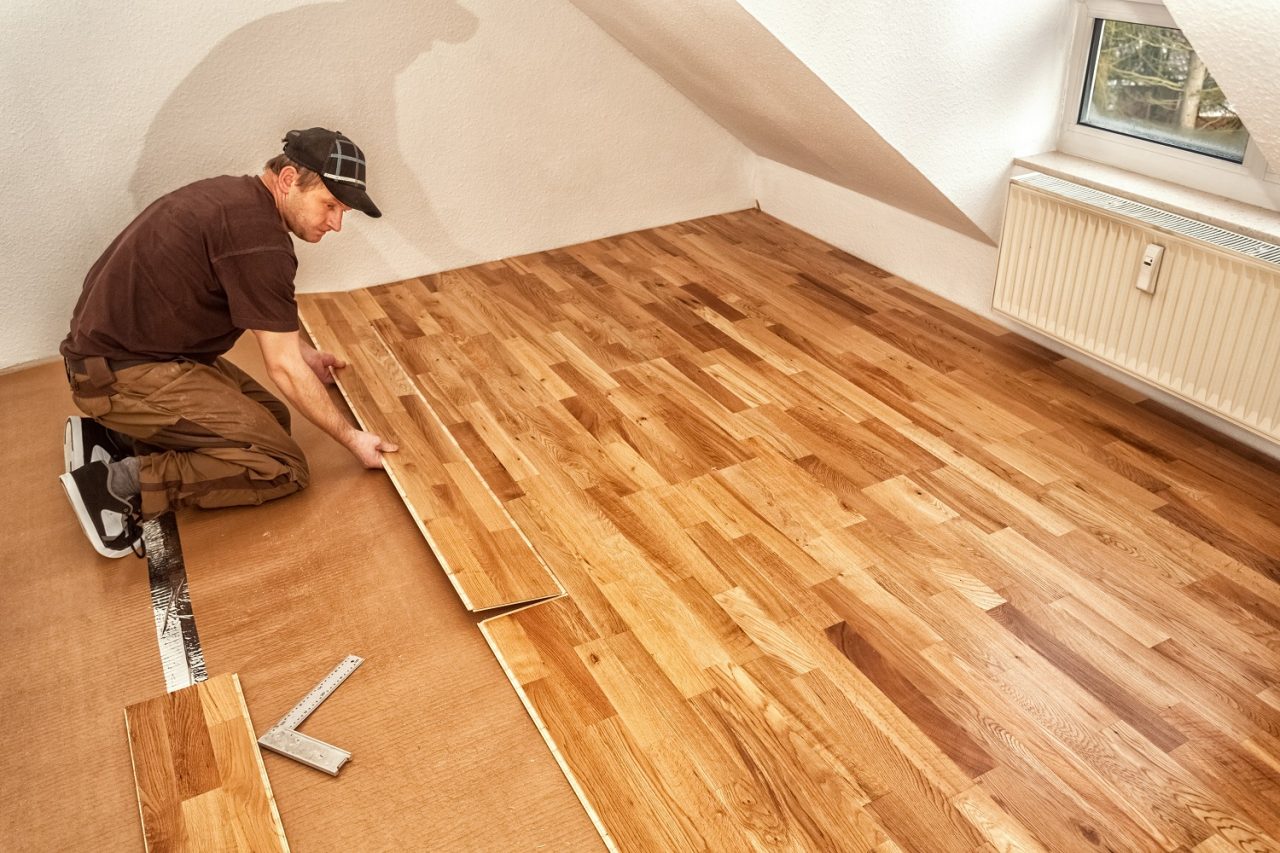
Understanding Commercial Flooring and Its Unique Requirements
Commercial flooring differs significantly from residential flooring due to higher traffic and more demanding use cases. It requires durability, safety, and aesthetic appeal to meet the needs of businesses and their customers.
1. Durability and Longevity
Commercial spaces experience heavy foot traffic, equipment movement, and potential spills. Flooring must withstand these conditions to avoid frequent replacements. Materials like concrete, epoxy, and certain types of tile are selected for their ability to endure daily wear and tear. Regular maintenance, including cleaning and sealing, further extends the lifespan of commercial flooring.
2. Safety Considerations
Safety is paramount in commercial settings to protect employees and customers. Slip resistance is a crucial factor, especially in areas prone to spills or moisture. Flooring options with textured surfaces or specialized coatings can enhance traction and reduce the risk of accidents. Compliance with safety standards, such as ADA guidelines, is also essential to ensure accessibility for all individuals.
3. Aesthetic and Design
The appearance of commercial flooring contributes to the overall ambiance and brand image of a business. Flooring choices should align with the company's aesthetic and create a welcoming environment for customers. Options range from classic and understated to bold and modern, allowing businesses to customize their space. The color, pattern, and texture of the flooring can influence the perceived size and atmosphere of a room.
4. Cost and Installation
The initial cost of commercial flooring, including materials and installation, is a significant consideration. However, long-term value should also be assessed, considering factors like durability and maintenance requirements. Professional installation is crucial to ensure proper adherence and longevity of the flooring. The complexity of the installation process can vary depending on the chosen material and the specific requirements of the space.
| Flooring Type | Average Cost per Square Foot (Installed) |
|---|---|
| Concrete | $3 - $12 |
| Epoxy | $5 - $15 |
| Commercial Tile | $4 - $20 |
Data Source: HomeAdvisor, 2024
Techniques for Successful Hardwood Flooring Installation
Hardwood flooring installation requires careful planning and execution. Proper techniques ensure a beautiful and durable floor.
1. Subfloor Preparation
A level and clean subfloor is crucial. Unevenness can cause squeaks and instability. Sweep and vacuum the subfloor thoroughly. Repair any damage, like cracks or holes, with patching compound. Use a self-leveling compound for significant unevenness. Ensure the subfloor is dry; moisture can lead to warping. Test moisture levels with a moisture meter.
2. Acclimation of Hardwood
Allow the hardwood to acclimate to the room's environment. Stack the wood in the room where it will be installed for several days. This allows the wood to adjust to the temperature and humidity. Proper acclimation minimizes expansion and contraction after installation. Follow the manufacturer's recommendations for acclimation time.
3. Layout and Design
Plan the layout carefully. Consider the direction of the planks and the room's focal point. Stagger the end joints of the planks for a more appealing look. Avoid placing short pieces near doorways or in high-traffic areas. Use a chalk line to mark the starting point and ensure straight lines.
4. Nailing and Gluing
Use the appropriate nailer or stapler for hardwood installation. Follow the manufacturer's guidelines for nail spacing. For glue-down installations, apply adhesive evenly. Use a notched trowel to ensure proper coverage. Work in small sections to prevent the adhesive from drying out.
5. Expansion Gaps
Leave an expansion gap around the perimeter of the room. This allows the wood to expand and contract with changes in humidity. The gap is typically ¼ to ½ inch wide. Cover the gap with baseboards or trim after installation.
6. Finishing Touches
Inspect the floor for any imperfections. Fill nail holes with wood filler that matches the floor color. Sand the floor lightly to smooth out any rough spots. Apply a finish to protect the wood and enhance its appearance. Follow the manufacturer's instructions for applying the finish.
Revwood Flooring: A Modern Approach to Durable Floors
Revwood flooring represents a significant advancement in flooring technology, offering homeowners a durable and stylish alternative to traditional hardwood. It combines the beauty of wood with enhanced resistance to wear and moisture.
1. What is Revwood?
Revwood is a type of laminate flooring engineered to mimic the look and feel of natural hardwood. It features a high-definition print layer protected by a tough, transparent wear layer. The core is typically made from a water-resistant material, providing added protection against spills and humidity.
2. Durability and Resistance
One of the primary benefits of Revwood is its exceptional durability. The wear layer is designed to withstand scratches, dents, and fading, making it suitable for high-traffic areas. Many Revwood products also boast impressive water resistance, making them ideal for kitchens, bathrooms, and basements where moisture is a concern.
3. Installation and Maintenance
Revwood is known for its ease of installation, often featuring a click-lock system that allows for a floating floor. This simplifies the process and reduces installation time. Maintenance is also straightforward, typically requiring only regular sweeping and occasional damp mopping.
4. Cost and Value
Revwood generally offers a cost-effective alternative to hardwood flooring. While the initial investment may be higher than some other flooring options like basic laminate, the long-term durability and reduced maintenance costs can provide significant value. According to a 2024 report by HomeAdvisor, the average cost to install Revwood flooring ranges from $3 to $7 per square foot, including materials and labor.
| Flooring Type | Average Cost per Square Foot (Installed) |
|---|---|
| Revwood | $3 - $7 |
| Hardwood | $8 - $15 |
| Laminate | $2 - $5 |
Data source: HomeAdvisor, 2024.
Installation Challenges in Commercial Flooring Environments
Commercial flooring installation presents unique hurdles compared to residential projects. These challenges stem from the scale, usage demands, and specific requirements of commercial spaces.
1. High Traffic and Usage
Commercial environments experience significantly higher foot traffic than residential spaces. Flooring materials must withstand constant wear and tear from foot traffic, carts, and equipment. The installation process must ensure maximum durability and longevity to minimize the need for frequent repairs or replacements. Selecting appropriate materials designed for heavy use is crucial.
2. Subfloor Preparation
Uneven or damaged subfloors are common in commercial buildings. Proper subfloor preparation is essential for a successful flooring installation. This may involve leveling, patching, or reinforcing the existing subfloor to create a stable and even surface. Failure to adequately prepare the subfloor can lead to problems such as cracking, warping, and premature wear of the new flooring.
3. Tight Deadlines and Downtime
Commercial projects often have strict deadlines and limited downtime. Businesses need to minimize disruption to their operations during the installation process. Installers must work efficiently and effectively to complete the project on time and within budget. Careful planning and coordination are necessary to minimize downtime and ensure a smooth installation.
4. Specialized Flooring Requirements
Certain commercial spaces, such as hospitals or laboratories, have specialized flooring requirements. These may include slip resistance, chemical resistance, or antimicrobial properties. Installers must be knowledgeable about these requirements and select appropriate materials and installation techniques. Compliance with industry standards and regulations is essential for these types of projects.
Q&A
Question 1: What are the key differences between commercial and residential flooring?
Answer: Commercial flooring must withstand significantly higher traffic, heavier equipment, and more demanding use cases than residential flooring. This necessitates greater durability, safety features (like slip resistance), and often a more carefully considered aesthetic appeal to suit the business's brand and customer experience.
Question 2: What safety considerations are paramount in commercial flooring selection and installation?
Answer: Slip resistance is critical in commercial settings to prevent accidents, especially in areas prone to spills. Flooring choices must also comply with accessibility standards like ADA guidelines to ensure inclusivity. Textured surfaces or specialized coatings can improve traction and reduce the risk of falls.
Question 3: Besides durability and safety, what other factors influence commercial flooring choices?
Answer: The aesthetic appeal and design of the flooring significantly impact the overall ambiance and brand image of a business. Color, pattern, and texture influence the perceived size and atmosphere of a space. Flooring choices should align with the company's aesthetic to create a welcoming environment for customers.
Question 4: What are some common types of commercial flooring and their approximate installed costs?
Answer: Common commercial flooring options include concrete ($3-$12/sq ft), epoxy ($5-$15/sq ft), and commercial tile ($4-$20/sq ft). Costs vary based on material quality, installation complexity, and labor rates. These figures are estimates from HomeAdvisor in 2024.
References:
- https://ahfcontract.prod-east.ahfproducts.com/cdn/content/sites/10/5mm-Loose-Lay-Installation.pdf?download=true
- https://www.junckershardwood.com/wood-flooring/guidance/installation-methods
- https://www.floorcoveringweekly.com/main/flooring-101
- https://www.floorexpert.com/knowledge-base/recommended-applications-chart-commercial-hardwood/
- https://allureflooring.com/pages/installing-your-new-floor