
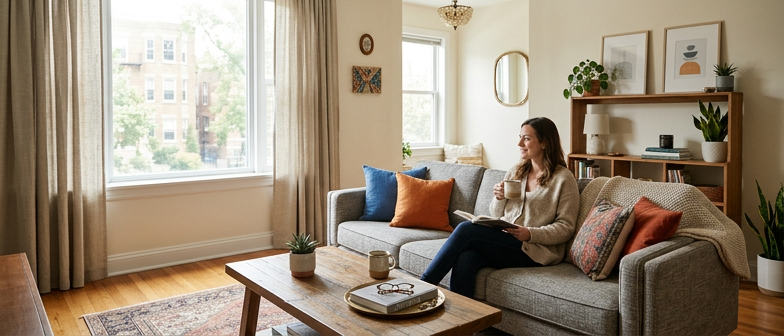
What Counts as a Furnished Apartment
When you browse furnished apartments for rent near you, the term usually means the place comes with the basic items you need to live comfortably on day one. In a typical furnished unit, you can expect major furniture like a bed and mattress, dresser, nightstand, sofa, coffee table, and a dining table with chairs, plus essential built‑in kitchen appliances. Many owners also include lamps, window coverings, and sometimes starter items such as a shower curtain or a few kitchen basics, but these extras are not guaranteed. Actual setups can vary a lot between available furnished apartments on different sites, so it is important to read each description and compare photos across multiple furnished apartment listings in your city instead of assuming they all include the same things.
Beyond standard furnished units, you will also see options labeled as partially furnished or serviced furnished apartments, and they each come with different expectations. A partially furnished place might only offer large pieces like a bed and sofa, leaving you to supply smaller items, while a serviced apartment is more like a hybrid between an apartment and a hotel, often including linens, regular cleaning, and utilities bundled into the rent for a higher price. Some serviced rentals may even be marketed as flexible stay or extended stay units. Because there is no single legal definition that covers every listing, you should confirm with the owner or property manager exactly what is included and who handles furniture maintenance before you sign.
| Furnished Type | Typical Items Included | Often Not Included | Key Questions to Ask |
|---|---|---|---|
| Standard furnished | Bed, sofa, dining set, basic appliances | Linens, decor, full kitchenware | Can I see an itemized furniture list? |
| Partially furnished | Major pieces like bed and couch | Small tables, lamps, storage pieces | Which rooms are fully set up, which are bare? |
| Serviced apartment | Furniture, linens, basic kitchen setup | Personal items, specialty cookware | Are cleaning and linens included in rent? |
| Any furnished listing | Items shown in photos and description | Unlisted extras, specialty equipment | Who maintains or replaces damaged furniture? |
| Short‑stay furnished | Move‑in ready essentials | Extensive kitchen tools, hobby items | Are utilities and services bundled in the price? |
How to Find Verified Furnished Apartments in Your City
Start by using major rental platforms and local property management sites to search furnished apartment listings in your city. Filter for units clearly marked as fully furnished and look for verification signals such as badges, checkmarks, or labels showing the listing has been reviewed. Confirm the address and photos on more than one site, and read recent reviews. Check when the ad was last updated so you focus on listings that are actually available and not outdated.
As you narrow choices, look for notes about immediate move-in, application wait times, and current availability, using filters for price, neighborhood, and units that are open now. When a listing says move-in ready, read the fine print to see exactly which furnishings are included, whether utilities are bundled, and what upfront costs you will pay, including security deposits, application fees, or extra charges for furniture and short-term leases.
Prioritize furnished apartments that offer a virtual tour so you can compare the video to photos and the written inventory. During the tour, check the layout, wear and tear, light, storage, and presence of essentials like a bed, sofa, table, and basic kitchen items. Before you apply, contact the property manager to confirm that the specific unit you viewed is still available, that the furniture you saw is part of the rental, and that there are no separate furniture contracts or hidden fees in the lease.
Using Online Tools and Virtual Tours Safely
When you search for furnished apartments for rent near you, use filters for price, lease length, and what furniture is included, and turn on verified or trusted listings so you know the unit actually exists. Map views help you confirm places advertised as furnished and open now are really in the neighborhood you want, and you can cross-check the address with street view to see if the building matches the photos and description. For listings that offer furnished apartments with a virtual tour, use the tour to confirm that major furniture appears in the real space, compare the layout to the floor plan to spot missing areas, avoid sending money before at least a video call through the platform, and be skeptical of pressure to pay quickly or off-platform.
Choosing the Right Location for a Furnished Rental
Location shapes almost every part of your experience with a furnished apartment, from your daily routine to your budget. If you want furnished rentals near your job, start by mapping your usual commute and comparing options within a reasonable travel time by car, transit, bike, or on foot. A shorter commute can justify paying more in rent because you save on gas, parking, and stress, while a cheaper unit far from the office may cost extra in time and transportation. When reviewing available furnished apartments in your city, look beyond the building itself and check how close you are to grocery stores, pharmacies, parks, and emergency services, since these everyday needs often matter more than luxury amenities once you move in.
For students and people in training programs, choosing furnished apartments near campus can cut transportation costs and make it easier to attend late classes, study groups, and campus events. However, neighborhoods right next to a school or major employer may be noisier and more expensive, so compare nearby walkable areas that still have reliable transit. As you review listings, think about whether you prefer a lively, mixed-use district or a quieter residential block, and factor in safety data, lighting, and how comfortable you feel walking around at night. The right location balances your commute or campus access with rent, essential services, and lifestyle fit, so you are choosing both a home and the daily environment that comes with it.
Near Work, Near Campus, or Central Neighborhoods
Comparing furnished rentals near work with furnished apartments close to campus or in a central neighborhood is really about balancing convenience, cost, and lifestyle. Living by your job cuts commute time and transportation expenses, but units in business districts often have higher rents and quieter nights once offices close. Choosing a furnished place near campus usually means more student noise, older buildings, and tight parking, yet you gain short walks to classes, cheaper food, and lease options that follow the academic calendar. A central mixed-use area blends offices, colleges, and entertainment, so a furnished apartment there keeps you close to both work and school, but you should expect heavier late-night street activity and stricter screening for short or month-to-month leases.
Lease Terms, Monthly Costs, and Guest Services
Lease terms for furnished apartments for rent are usually more flexible than traditional unfurnished agreements, but you still need to read every clause. Many buildings offer short stays, including monthly furnished apartments in your city, alongside standard year‑long leases. Shorter commitments can mean higher rates, early termination penalties, and stricter notice rules. The lease should list every furnished item, spell out who pays for utilities, internet, and parking, and, for serviced furnished apartments, explain housekeeping schedules, linen changes, and how damage or replacement of items is handled.
Monthly costs for a furnished rental often bundle more into one payment, which is why you cannot compare prices by rent alone. You are paying for furniture, kitchenware, a faster move‑in, and sometimes utilities or streaming services, so the base rent can be higher than a similar unfurnished unit. To compare fairly, total up what an empty apartment would cost each month, including furniture, deposits, and utilities, and stack that against the all‑in price of a furnished place. When you see available furnished apartments in your city advertised as all bills included or with flexible terms, confirm exactly which recurring charges are covered and whether extra fees like amenities, pets, or parking will raise your real monthly cost.
Guest services are a key difference between a basic furnished lease and a true serviced or extended‑stay style apartment. In a standard furnished unit, management handles maintenance, but cleaning, laundry, and supplies are usually up to you. Serviced furnished apartments often add hotel‑style benefits, such as regular housekeeping, package handling, and sometimes concierge support, with those extras reflected in the higher monthly rate. Before you sign, ask when guest services are available, how to request help, and whether there are rules for visitors or overnight guests so the cost and convenience match how you plan to live.
Q&A
-
What usually comes with a furnished apartment, and how can I confirm it before moving in?
Most furnished apartments include a bed, basic storage, sofa, dining set, and main kitchen appliances. Read the inventory in the ad, compare it with the photos, and ask the property manager to confirm in writing what furniture and housewares are in the lease. -
How can I find verified furnished apartments for rent near me that are really available now?
Use major rental sites and trusted local managers, apply the furnished and verified filters, and sort by most recently updated. Cross‑check the address and photos on another site and read recent reviews to avoid fake or expired listings. -
What’s the safest way to use virtual tours when checking furnished apartment listings?
During a virtual or live video tour, confirm that each room has the furniture you expect and that the layout matches the floor plan. Do not wire money or pay off‑platform until you’ve verified both the unit and the owner’s identity through the rental site. -
Should I rent a furnished place near work, near campus, or in a central area?
Living near work cuts commute time but can cost more. Near campus often means older, noisier buildings but student‑friendly pricing and lease terms. Central neighborhoods balance work, school, and nightlife with higher demand and stricter screening. -
What’s the difference between monthly furnished apartments and serviced furnished apartments?
Regular monthly furnished rentals usually just include furniture and appliances. Serviced furnished apartments add hotel‑style perks like cleaning, linens, and sometimes utilities, so check the lease to see what is covered, how often, and at what cost.