
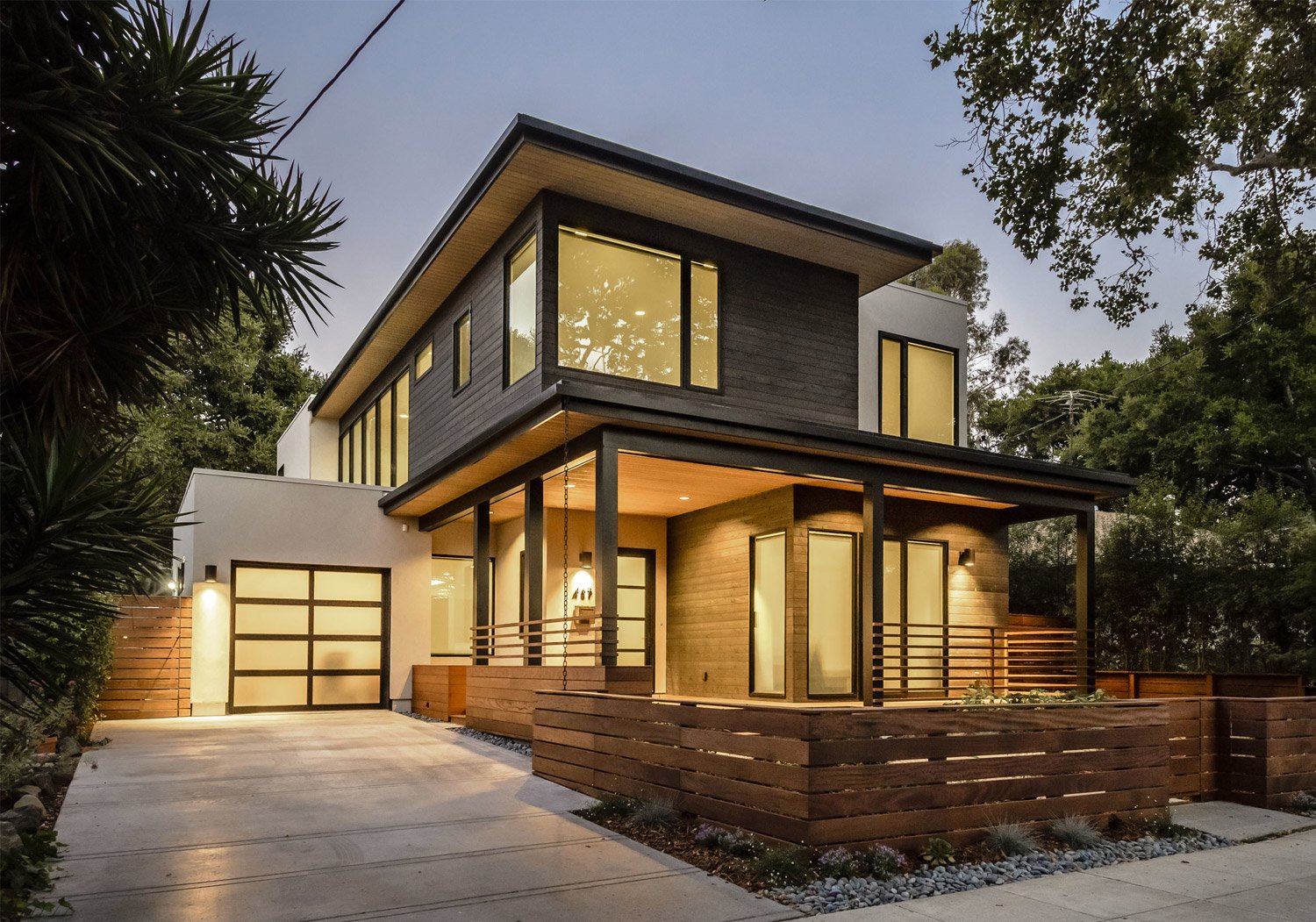
Understanding Prefabricated Homes
Prefabricated homes are built using sections that are manufactured in a factory setting before being transported and assembled on-site. This method offers several advantages over traditional construction methods. First and foremost is the speed of construction. Because the sections are built in a controlled environment, there is less risk of weather-related delays. Additionally, factory construction allows for better quality control and less waste. The process typically involves modular units, which are prefabricated in a factory and then shipped to the construction site for assembly. This approach not only reduces labor costs but also minimizes the environmental impact of construction.
Types of Prefabricated Homes
There are several types of prefabricated homes to consider:
-
Modular Homes: These are constructed in sections called modules. Each module is built to precise specifications and can be customized to suit the homeowner's needs. Once completed, these modules are transported to the building site where they are assembled. Modular homes are highly customizable and can be designed to match the style and functionality of traditional homes. They are ideal for those who want a personalized living space without the hassle of traditional construction.
-
Panelized Homes: These homes are made from panels that include walls with windows, doors, wiring, and outside siding already installed. The panels are then assembled on-site. Panelized homes are known for their energy efficiency and durability. They are often used in regions with extreme weather conditions, as they provide excellent insulation and protection against the elements.
-
Pre-cut Homes: Often referred to as kit homes or log cabin kits, these come with all necessary materials pre-cut to size and ready for assembly. Pre-cut homes are ideal for DIY enthusiasts or those who want to take an active role in the construction process. They offer a sense of accomplishment and allow homeowners to create a unique living space tailored to their needs.
-
Mobile Homes: Also known as manufactured homes, these are built on a permanent chassis and can be moved after installation. Mobile homes are a popular choice for those who value flexibility and affordability. They are often used as vacation homes, rental properties, or primary residences in areas where land is limited.
Benefits of Prefabricated Homes
-
Cost-Effectiveness: Prefabricated homes often cost less than traditional homes due to reduced labor costs and material waste. The factory setting allows for precise measurements and efficient use of materials, reducing the overall cost of construction. Additionally, the modular design of prefab homes allows for economies of scale, further lowering the cost per unit.
-
Eco-Friendly Options: Many manufacturers offer eco-friendly modular homes that use sustainable materials and energy-efficient designs. These homes are built with environmental considerations in mind, using materials such as recycled wood, low-VOC paints, and energy-efficient appliances. They are an excellent choice for those who want to reduce their carbon footprint and live sustainably.
-
Flexibility in Design: Homeowners can choose from a variety of designs and layouts to fit their personal style and needs. Prefabricated homes offer a high degree of customization, allowing homeowners to select everything from the exterior finishes to the interior fixtures. This flexibility ensures that each home is unique and tailored to the homeowner's preferences.
-
Quality Control: Factory settings provide consistent quality control measures that ensure each section meets high standards. The controlled environment of a factory allows for precise construction and reduces the likelihood of errors or defects. This results in homes that are not only durable but also aesthetically pleasing.
Green Magic Homes
Green Magic Homes offer a unique take on prefabricated living with their earth-sheltered designs that blend seamlessly into natural landscapes. These homes are particularly popular in areas like {city} and {state}, where environmental consciousness is high. The company provides customizable options that allow homeowners to integrate green roofs and other sustainable features into their designs. Green Magic Homes are designed to minimize their environmental impact while providing a comfortable and functional living space. They are an excellent choice for those who want to live in harmony with nature.
Alpine Homes
For those seeking a more traditional aesthetic with modern conveniences, Alpine Homes presents an excellent option. Known for their craftsmanship and attention to detail, Alpine Homes in {city} provide a range of modular home designs suitable for various climates and terrains. These homes are built with precision and care, ensuring that each unit is of the highest quality. They are an excellent choice for those who want a traditional look without compromising on modern amenities.
Modular Homes for Sale in {City}
The demand for modular homes has been steadily increasing across the United States. Cities like {city} have seen a surge in interest due to the affordability and efficiency these homes offer. Buyers can explore numerous options with varying pricing structures based on customization levels. Modular homes are ideal for those who want a personalized living space without the high cost of traditional construction. They are also a great option for those who want to minimize their environmental impact and live sustainably.
Modular Homes in {State} with Pricing
In states like {state}, modular homes have become increasingly popular due to their adaptability to different environments while maintaining cost-effectiveness. Pricing varies widely depending on factors such as size, design complexity, and additional features requested by homeowners. Modular homes in {state} are designed to meet the specific needs of homeowners, offering a range of options to suit different budgets and preferences. They are an excellent choice for those who want a high-quality home without the high cost of traditional construction.
Eco-Friendly Modular Homes {State}
Eco-conscious consumers will find plenty of options when it comes to eco-friendly modular homes in {state}. These homes often incorporate renewable energy sources like solar panels or geothermal heating systems alongside sustainable building materials aimed at reducing environmental impact. Eco-friendly modular homes in {state} are designed to minimize their environmental footprint while providing a comfortable and functional living space. They are an excellent choice for those who want to live sustainably and reduce their carbon footprint.
Common Questions About Prefabricated Homes
Q&A
What is the average cost of a prefabricated home?
The cost can vary widely depending on location, size, customization options chosen by buyers but generally ranges from $50-$200 per square foot. This cost range makes prefab homes a more affordable option compared to traditional homes, which can cost upwards of $400 per square foot. The cost savings are due to the factory setting, which allows for precise measurements and efficient use of materials.
Are prefab homes durable?
Yes! Prefab houses undergo rigorous quality checks during manufacturing ensuring they meet industry standards similar if not superior than traditionally built structures. The controlled environment of a factory allows for precise construction and reduces the likelihood of errors or defects, resulting in homes that are not only durable but also aesthetically pleasing.
Can I customize my prefab house?
Absolutely! Most companies offer extensive customization options allowing you to tailor your new house according to your specific preferences and needs. Homeowners can choose from a variety of designs and layouts, as well as select everything from the exterior finishes to the interior fixtures. This flexibility ensures that each home is unique and tailored to the homeowner's preferences.
How long does it take to build and deliver a prefab house?
On average, it takes between 8-16 weeks to complete the build and deliver a fully functional home ready to move into once the foundation is prepared and site conditions are favorable. The installation process is seamless and efficient, allowing homeowners to move into their new home in a relatively short amount of time.
Prefabricated housing represents a significant advancement within the residential construction industry, offering numerous benefits including reduced costs, increased sustainability, enhanced flexibility in design choices, and more. These homes are an appealing choice for modern-day homeowners looking for innovative solutions that meet diverse living requirements without compromising on quality, comfort, or convenience. As the demand for sustainable and affordable housing continues to grow, prefabricated homes are poised to play a key role in shaping the future of residential construction. Whether you're looking for a traditional aesthetic, a modern design, or something in between, there is a prefab home option to suit your needs. With their numerous advantages and customizable features, prefab homes are an excellent choice for anyone looking to build their dream home while minimizing their environmental impact.
Data Table: Cost Comparison Between Traditional vs Prefab Construction
| Type | Average Cost Per Sq Ft | Construction Time (Weeks) |
|---|---|---|
| Traditional Build | $100 - $400 | 20 - 40 |
| Modular Home | $50 - $200 | 8 - 16 |
Source: National Association of Home Builders (NAHB)
References
- https://mobilehomeslaredo.com/modular-homes-with-garages/
- https://www.homagic.com/blog/difference-between-modular-and-prefabricated-homes/
- https://hutterarchitects.com/small-eco-friendly-home-plans/
- https://manufacturedhousingconsultantsnb.com/manufactured-tiny-homes-options/
- https://myowncottage.ca/how-long-do-prefab-homes-take-to-build/