
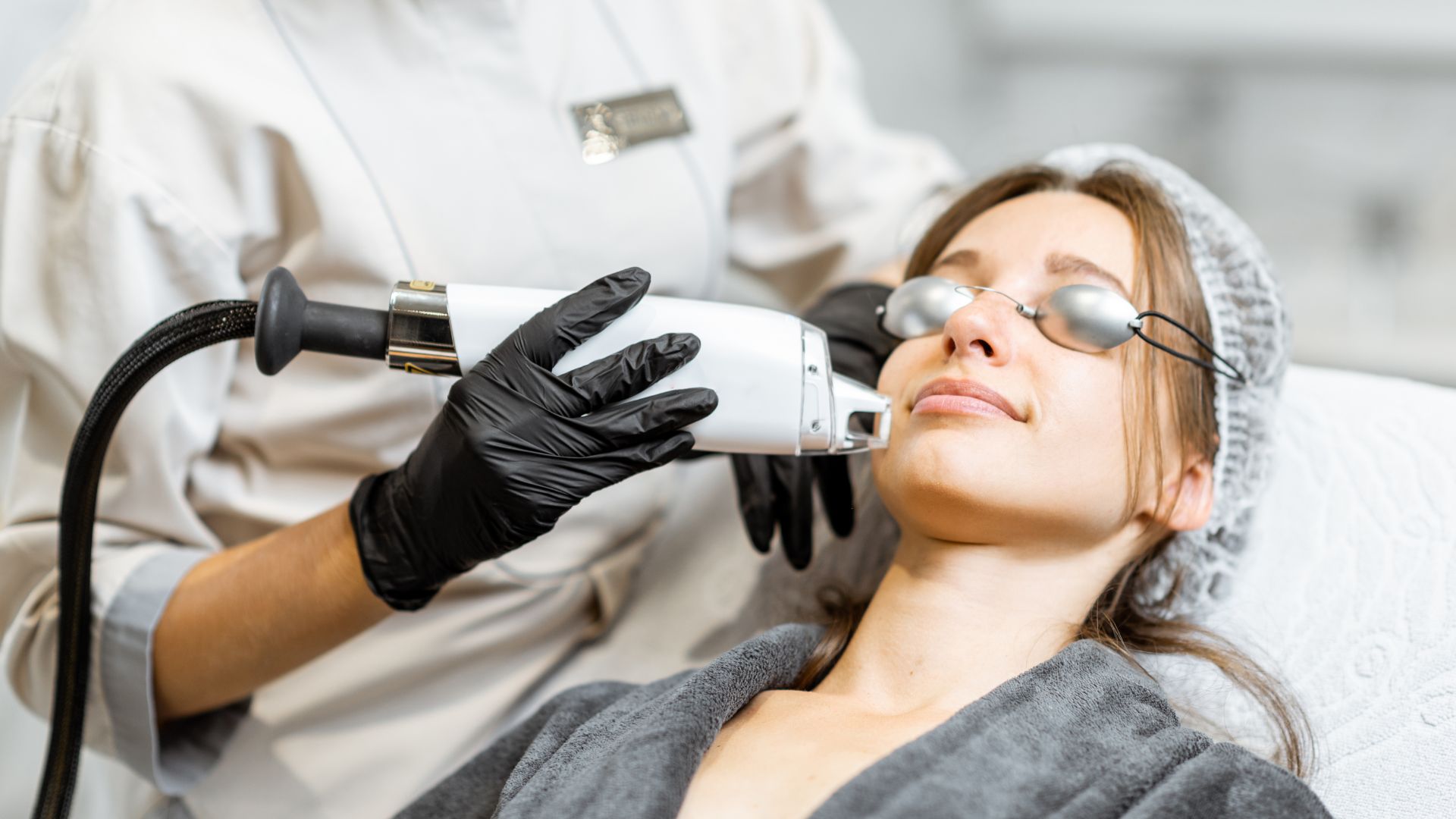
Understanding the Basics of Laser Skin Treatment
How Does Laser Skin Treatment Work?
Laser skin treatment operates on the principle of using concentrated beams of light energy. When the laser emits light, it targets specific chromophores (substances that absorb light) in the skin, such as melanin (the pigment responsible for skin color), hemoglobin (in blood vessels), or water. Once absorbed, the light energy is converted into heat. This heat can have several effects depending on the type of laser and the treatment goals.
Types of Lasers Used in Skin Treatment
-
Ablative Lasers: These lasers remove the outer layers of the skin, also known as the epidermis, and can penetrate into the underlying dermis. The most common ablative lasers are carbon dioxide (CO2) lasers and erbium:YAG lasers. CO2 lasers are powerful and effective for treating deep wrinkles, scars, and severe sun damage.
-
Non - Ablative Lasers: Non - ablative lasers do not remove the outer layer of the skin. Instead, they deliver energy deep into the dermis, stimulating collagen production without damaging the epidermis. This type of laser is suitable for patients who want to improve skin texture, reduce the appearance of fine lines, and treat pigmentation issues with minimal downtime.
-
Fractional Lasers: Fractional lasers combine the benefits of both ablative and non - ablative lasers. They create tiny columns of thermal damage in the skin, leaving surrounding areas of healthy tissue intact. This allows for faster healing and less risk of side effects compared to traditional ablative lasers. Fractional lasers can be used for a wide range of treatments, including acne scar reduction, stretch mark improvement, and overall skin rejuvenation.
Common Skin Conditions Treated with Laser Therapy
Wrinkles and Fine Lines
As we age, the production of collagen and elastin in our skin decreases, leading to the formation of wrinkles and fine lines. Laser skin treatment can stimulate the production of these proteins, plumping up the skin and reducing the appearance of lines. Ablative lasers are particularly effective for deep wrinkles, while non - ablative and fractional lasers are often used for milder cases or for patients who prefer a quicker recovery.
Scars
Laser therapy can be a game - changer for scar treatment. Whether it’s acne scars, surgical scars, or traumatic scars, lasers can help improve their appearance. Ablative lasers work by removing the damaged tissue layer by layer, allowing new, smoother skin to grow in its place. Non - ablative lasers, on the other hand, target the collagen beneath the skin’s surface, encouraging it to remodel and fill in the depressed areas of the scar. Fractional lasers can also break up the scar tissue and stimulate collagen production, leading to a more even skin texture.
Pigmentation Issues
Pigmentation problems such as sunspots, age spots, and melasma can be effectively treated with laser skin treatment. Lasers target the excess melanin in the skin, causing the pigmented cells to break down. The body then naturally eliminates these broken - down cells over time, resulting in a more even skin tone. Different wavelengths of lasers are used depending on the type and depth of the pigmentation issue.
Vascular Lesions
Vascular lesions, including spider veins, port - wine stains, and rosacea, can be treated with lasers that target the hemoglobin in the blood vessels. The laser energy heats the blood vessels, causing them to collapse and be absorbed by the body. This reduces the visibility of the vascular lesions, improving the overall appearance of the skin.
The Laser Skin Treatment Process
Pre - treatment Consultation
Before undergoing laser skin treatment, a thorough consultation with a qualified dermatologist or laser technician is essential. During this consultation, the professional will assess the patient’s skin type, medical history, and the specific skin condition to be treated. They will also discuss the patient’s expectations, explain the treatment process, potential risks, and benefits, and determine the most suitable type of laser and treatment plan.
Preparation for Treatment
In the days leading up to the treatment, patients may be given specific instructions. This can include avoiding sun exposure and using a high - quality sunscreen to protect the skin. Some patients may be advised to stop taking certain medications, such as blood thinners or retinoids, as they can increase the risk of side effects. On the day of the treatment, the skin will be cleaned and prepped to ensure a sterile environment.
During the Treatment
Depending on the type of laser and the area being treated, the patient may be given a local anesthetic to minimize discomfort. The laser technician will then use the laser device to deliver the light energy to the skin in a series of pulses. The patient may feel a sensation similar to a rubber band snap or mild heat during the treatment. The duration of the treatment can vary from a few minutes for a small area to an hour or more for larger areas or more complex treatments.
Post - treatment Care
After the laser skin treatment, the skin will be sensitive and may appear red, swollen, or have some mild discomfort. The patient will be provided with detailed post - treatment care instructions. This typically includes keeping the treated area clean, applying a soothing ointment or moisturizer, and avoiding sun exposure. Cold compresses may be recommended to reduce swelling.
Comparing Laser Skin Treatment with Other Therapies
Laser Skin Treatment vs. Chemical Peels
-
Effectiveness: Chemical peels use chemical solutions to remove the outer layers of the skin, similar to ablative lasers. However, chemical peels may not be as precise as lasers in targeting specific skin concerns. Lasers can be adjusted to treat deeper layers of the skin and are more effective for treating severe conditions like deep scars and wrinkles.
-
Downtime: Chemical peels generally have a shorter downtime compared to ablative laser treatments. After a chemical peel, the skin may peel and be red for a few days, but patients can usually resume normal activities within a week. Ablative laser treatments, on the other hand, can require several weeks of recovery, during which the skin is more sensitive and prone to infection.
-
Cost: Chemical peels are often less expensive than laser skin treatments. The cost of a chemical peel can range from a few hundred to a couple of thousand dollars, depending on the type and strength of the peel. Laser treatments, especially ablative lasers, can cost several thousand dollars or more, depending on the area treated and the complexity of the procedure.
Laser Skin Treatment vs. Microdermabrasion
-
Effectiveness: Microdermabrasion uses tiny crystals or a diamond - tipped device to exfoliate the outer layer of the skin. It is mainly used for improving skin texture, reducing the appearance of fine lines, and treating mild acne.
-
Downtime: Microdermabrasion has minimal downtime, with patients usually being able to return to their normal activities immediately after the treatment. Laser treatments, especially ablative ones, have a longer recovery period.
-
Cost: Microdermabrasion is relatively inexpensive, with a single treatment costing a few hundred dollars. Laser skin treatments are more costly due to the advanced technology and expertise required.
Cost of Laser Skin Treatment
The cost of laser skin treatment can vary significantly depending on several factors:
|
Factor
|
Impact on Cost
|
|
Type of Laser
|
Ablative lasers are generally more expensive than non - ablative lasers due to their higher level of technology and the more extensive treatment involved. Fractional lasers also tend to be on the pricier side as they combine the benefits of different laser types.
|
|
Area Treated
|
Treating a larger area, such as the entire face, will cost more than treating a small spot or a specific area like the under - eye region.
|
|
Number of Sessions
|
Most skin conditions require multiple treatment sessions to achieve optimal results. The more sessions needed, the higher the overall cost.
|
|
Provider’s Expertise
|
A highly experienced and reputable dermatologist or laser technician may charge more for their services compared to a less experienced provider.
|
|
Location
|
The cost of laser skin treatment can also vary by region. In urban areas or regions with a higher cost of living, the prices tend to be higher.
|
FAQ
Q: Is laser skin treatment painful?
A: The level of pain during laser skin treatment can vary. Many patients describe a sensation similar to a rubber band snap or mild heat. For more aggressive ablative treatments, a local anesthetic may be applied to minimize discomfort. After the treatment, the skin may feel sensitive, red, and swollen, but this can be managed with pain relievers and proper post - treatment care.
Q: How long does it take to see results from laser skin treatment?
A: The time it takes to see results depends on the type of treatment and the skin condition being treated. For non - ablative treatments, some improvement may be visible within a few days, but the full results may take several weeks or months as the body continues to produce collagen. Ablative treatments usually show more immediate results in terms of skin resurfacing, but it can take several weeks for the skin to fully heal and for the final results to become apparent.
Q: Who is not a good candidate for laser skin treatment?
A: People with certain medical conditions, such as uncontrolled diabetes, bleeding disorders, or active skin infections, may not be suitable candidates. Pregnant or breastfeeding women should also avoid laser skin treatment. Additionally, individuals with very dark skin tones may have a higher risk of side effects, such as hyperpigmentation, with some types of lasers, so careful consideration and consultation with a professional are necessary.