
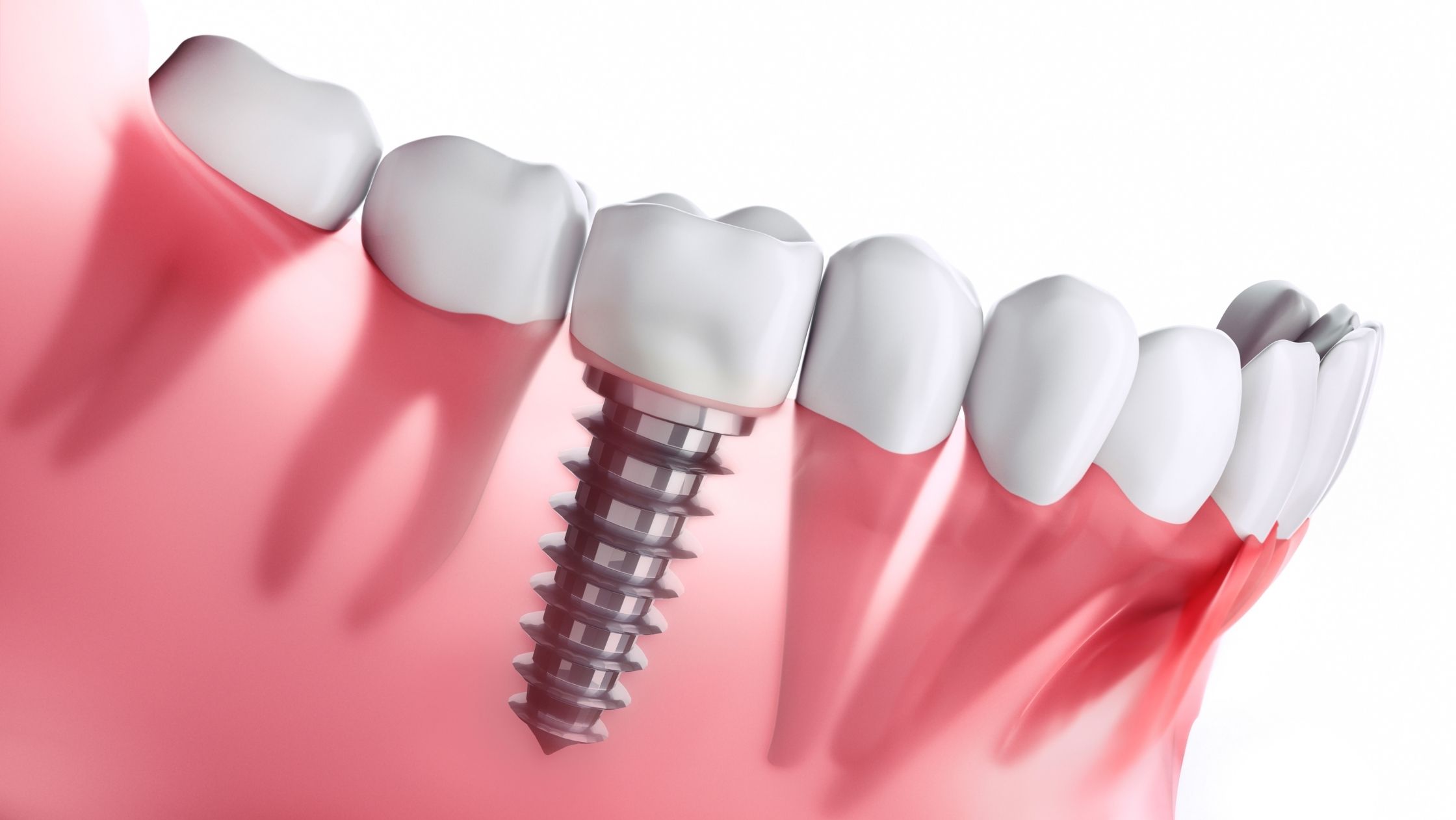
What are Dental Implants?
Dental implants are artificial tooth roots made of biocompatible materials, typically titanium. They are surgically placed into the jawbone to support replacement teeth, such as crowns, bridges, or dentures. The process of dental implantation involves several steps and requires careful planning.
The Science Behind Dental Implants
-
Osseointegration
The key to the success of dental implants is osseointegration. When the titanium implant is placed in the jawbone, over time, the bone cells grow and attach to the surface of the implant. This integration creates a strong and stable foundation for the replacement tooth. For example, within a few months after the implant placement, the bone gradually fuses with the implant, providing a secure base that mimics the function of a natural tooth root.
-
Biocompatibility of Materials
Titanium is widely used in dental implants because of its excellent biocompatibility. It does not cause an adverse reaction in the body and is well - tolerated by the surrounding tissues. This property ensures that the implant can remain in the jawbone for a long time without being rejected by the immune system.
|
Type of Dental Implant
|
Success Rate (Based on Long - Term Studies)
|
Average Lifespan (Years)
|
Ideal for
|
|
Endosteal Implants
|
95 - 98%
|
15 - 25+
|
Single - tooth replacement, multiple - tooth replacement, full - mouth restoration
|
|
Subperiosteal Implants
|
90 - 95%
|
10 - 20
|
Patients with limited jawbone density, those who are not suitable for endosteal implants
|
Types of Dental Implants
Endosteal Implants
Endosteal implants are the most common type. They are placed directly into the jawbone. These implants come in various shapes, such as screws, cylinders, or blades. For single - tooth replacement, a single endosteal implant is inserted into the jawbone, and after osseointegration, a crown is attached to the implant. In cases of multiple - tooth or full - mouth replacement, multiple endosteal implants are placed to support bridges or dentures.
Subperiosteal Implants
Subperiosteal implants are placed on top of the jawbone, beneath the gum tissue. They are suitable for patients with limited jawbone density who may not be candidates for endosteal implants. A metal framework is placed on the jawbone, and posts extend through the gum to support the replacement teeth. This type of implant is less invasive in terms of bone surgery but may require more soft - tissue management.
The Dental Implant Procedure
Pre - implantation Evaluation
-
Dental X - rays and Scans
Before the implant procedure, your dentist or oral surgeon will conduct a series of dental X - rays and scans. These images help in assessing the quality and quantity of the jawbone, as well as the position of adjacent teeth and vital structures such as nerves and sinuses. For example, a cone - beam computed tomography (CBCT) scan provides a three - dimensional view of the jaw, allowing the dental professional to plan the implant placement accurately.
-
Oral Health Assessment
Your overall oral health is also evaluated. This includes checking for any signs of gum disease, tooth decay, or other oral health issues. If there are existing problems, they need to be treated before the implant procedure to ensure a successful outcome. For instance, if you have gum disease, it will be treated first to reduce the risk of implant failure due to infection.
The Implant Placement Surgery
-
Anesthesia and Sedation
During the implant placement surgery, local anesthesia is used to numb the area around the implant site. In some cases, sedation may also be provided to help you relax. The type of sedation, whether it's nitrous oxide (laughing gas), oral sedation, or intravenous sedation, depends on your anxiety level and the complexity of the procedure.
-
Implant Placement
The dentist or oral surgeon makes an incision in the gum tissue to expose the jawbone. A hole is then drilled into the jawbone, and the implant is carefully placed. The incision is then closed with stitches. After the surgery, you may experience some swelling and discomfort, which can be managed with pain medications and cold compresses.
Healing and Restoration
-
Osseointegration Period
After the implant is placed, it needs time to integrate with the jawbone. This osseointegration period can take anywhere from 3 to 6 months, depending on various factors such as your overall health, the type of implant, and the location in the jaw. During this time, you will need to follow a special diet to avoid putting too much stress on the implant.
-
Attachment of the Replacement Tooth
Once osseointegration is complete, a second minor procedure is performed to attach an abutment to the implant. The abutment serves as a connection between the implant and the replacement tooth. After the abutment is in place, an impression is taken, and a custom - made crown, bridge, or denture is fabricated and attached to the abutment, completing the restoration.
Benefits of Dental Implants
Improved Functionality
-
Natural - Like Biting and Chewing
Dental implants are designed to function like natural teeth. They provide a stable base for replacement teeth, allowing you to bite and chew food with ease. Unlike dentures, which may shift or slip while eating, dental implants stay firmly in place. For example, you can enjoy a wide variety of foods, including tough and crunchy ones, without worrying about your teeth slipping or causing discomfort.
-
Speech Clarity
Missing teeth can sometimes affect speech. Dental implants help in restoring proper speech patterns as they support the replacement teeth in the correct position, allowing for clear and natural speech.
Aesthetic Appeal
-
Blends in with Natural Teeth
The replacement teeth attached to dental implants are custom - made to match the color and shape of your natural teeth. This ensures a seamless and natural - looking smile. Whether it's a single - tooth implant or a full - mouth restoration, the result is a beautiful smile that is indistinguishable from your original teeth.
-
Prevents Facial Sagging
When teeth are lost, the jawbone begins to deteriorate over time, which can lead to facial sagging. Dental implants stimulate the jawbone, preventing this bone loss and maintaining the natural shape of your face, thus helping you look younger.
Competitor Analysis
Dental Implants vs. Traditional Dentures
-
Stability and Comfort
Dental implants offer superior stability compared to traditional dentures. Dentures rely on suction or adhesives to stay in place, which can sometimes cause discomfort, especially when eating or speaking. Implants, on the other hand, are firmly anchored in the jawbone, providing a stable and comfortable chewing and speaking experience.
-
Long - Term Cost - Effectiveness
While the initial cost of dental implants may be higher than traditional dentures, in the long run, implants can be more cost - effective. Dentures may need to be replaced every few years due to wear and tear or changes in the shape of the jawbone. Implants, if properly cared for, can last a lifetime, reducing the overall cost of tooth replacement over time.
Dental Implants vs. Dental Bridges
-
Preservation of Adjacent Teeth
Dental bridges require the grinding down of adjacent teeth to support the bridge. This can weaken the adjacent teeth and make them more susceptible to decay and other dental problems. Dental implants, however, do not require any modification of the adjacent teeth, preserving their natural structure and integrity.
-
Longevity and Functionality
Dental implants generally have a longer lifespan compared to dental bridges. They also offer better functionality in terms of biting and chewing forces. Implants can withstand more force and provide a more natural - like chewing experience, while bridges may be more limited in their ability to handle heavy chewing.
FAQs
Question 1: How much do dental implants cost?
Answer 1: The cost of dental implants can vary widely depending on factors such as the type of implant, the number of implants needed, the complexity of the procedure, and your location. On average, a single - tooth implant can cost between 3,000 and 6,000, including the implant, abutment, and crown. Full - mouth implants can cost anywhere from 15,000 to 60,000 or more. It's best to consult with a dental professional for an accurate cost estimate based on your specific needs.
Question 2: Are dental implants painful?
Answer 2: During the implant placement surgery, you will be under anesthesia, so you should not feel pain. After the surgery, you may experience some swelling, discomfort, and mild pain, which can be managed with over - the - counter or prescription pain medications. The discomfort usually subsides within a few days to a week.
Question 3: How long does it take to get dental implants?
Answer 3: The entire process, from the initial consultation to the final placement of the replacement tooth, can take several months. The implant placement surgery is followed by a 3 - 6 - month osseointegration period, after which the abutment and replacement tooth are attached. In some cases, such as immediate - load implants, the process may be faster, but this depends on various factors, including your oral health and the type of implant.