
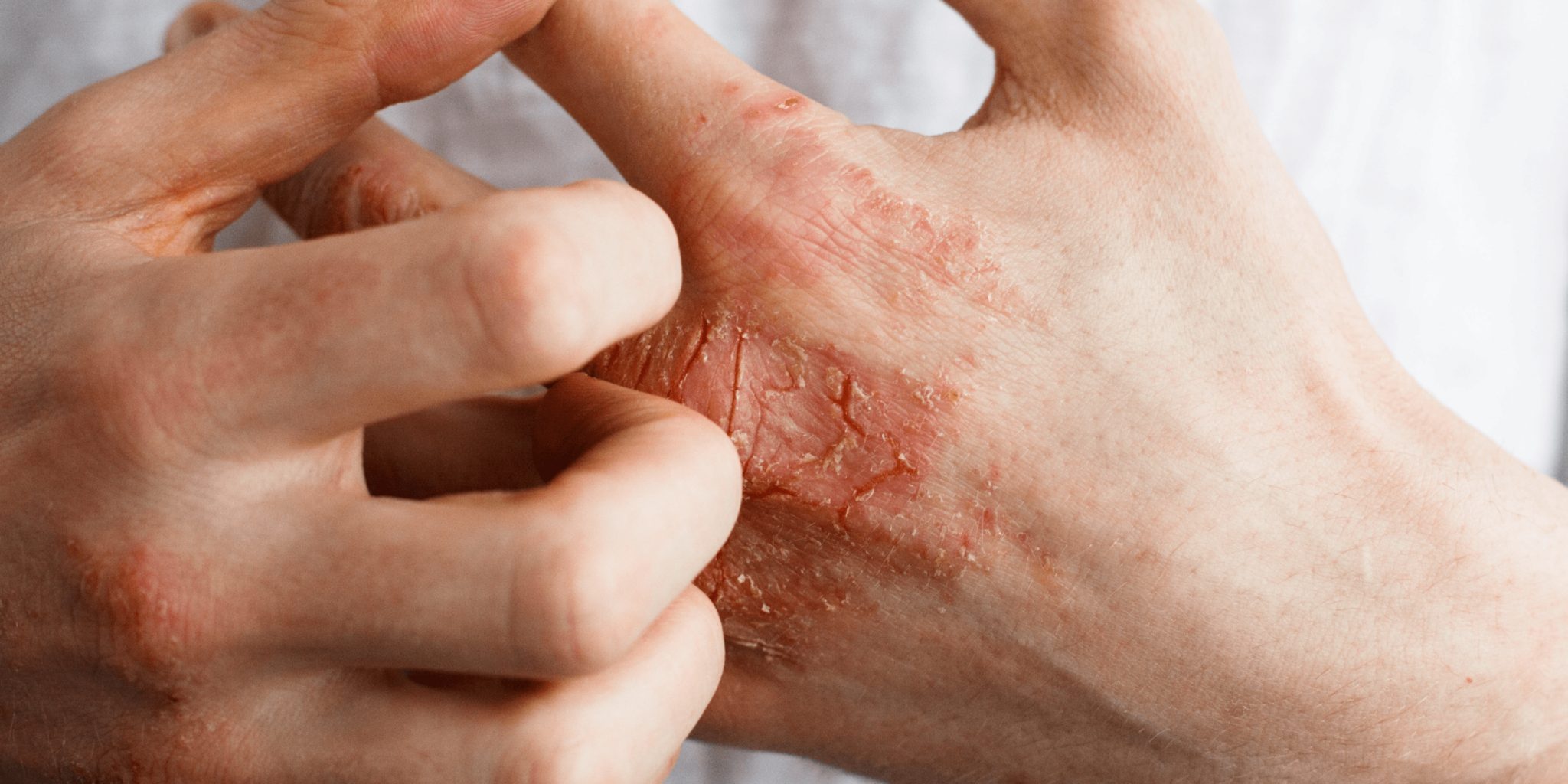
What Is Atopic Dermatitis?
Atopic dermatitis is the most common form of eczema, characterized by chronic inflammation and itchy skin. It is a long-term condition that often begins in childhood but can continue into adulthood. The skin barrier in individuals with atopic dermatitis is weakened, making it more susceptible to irritants, allergens, and infections.
Overview and Key Features:
-
Chronic Nature: Symptoms can persist for years, with periodic flare-ups.
-
Itchy Skin: Intense itching is a hallmark symptom, often leading to scratching that worsens the condition.
-
Inflammation: Red, swollen patches often appear on the face, arms, hands, and behind the knees.
Atopic dermatitis is not contagious, but it significantly impacts the quality of life due to its visible symptoms and discomfort.
Causes of Atopic Dermatitis
The exact causes of atopic dermatitis are not fully understood, but researchers believe it results from a combination of genetic, environmental, and immune factors.
Genetic Factors:
-
Individuals with a family history of eczema, asthma, or hay fever are more likely to develop atopic dermatitis.
-
Mutations in the filaggrin gene (FLG), which helps maintain the skin barrier, are commonly associated with the condition.
Environmental Triggers:
-
Exposure to allergens such as pollen, pet dander, and dust mites can exacerbate symptoms.
-
Climate factors like dry weather or extreme heat may worsen skin irritation.
Immune System Dysfunction:
-
Atopic dermatitis is often linked to an overactive immune response, which leads to inflammation and skin sensitivity.
Understanding these causes can help individuals identify their triggers and adopt preventive measures.
Symptoms and Signs
The symptoms of atopic dermatitis vary depending on age and severity. Recognizing the first signs is crucial for early intervention.
Common Symptoms:
-
Itchy Skin: Persistent itching is often the first and most distressing symptom.
-
Dryness: Skin becomes extremely dry, flaky, and prone to cracking.
-
Redness and Swelling: Inflamed patches may appear, sometimes oozing or crusting over.
-
Thickened Skin: Chronic scratching can lead to skin thickening, known as lichenification.
Severe Atopic Dermatitis:
In severe cases, the condition can cause widespread inflammation, intense itching, and secondary infections. Individuals may experience sleep disturbances and emotional distress due to the impact on daily life.
The Role of Dupilumab in Atopic Dermatitis
Dupilumab has emerged as a breakthrough treatment for moderate-to-severe atopic dermatitis. This biologic therapy targets the immune pathways involved in inflammation, helping to alleviate symptoms.
How Dupilumab Works:
-
It blocks interleukin-4 (IL-4) and interleukin-13 (IL-13), two proteins that contribute to the immune response driving atopic dermatitis.
-
By reducing inflammation, Dupilumab helps restore the skin barrier and alleviate itching.
Benefits of Dupilumab:
-
Significant reduction in itching and inflammation.
-
Improved skin appearance and reduced flare-ups.
-
Suitable for individuals who haven’t responded to topical treatments or corticosteroids.
While Dupilumab is not a cure, it offers hope for those with severe forms of the condition.
Adbry: A Game-Changer in Atopic Dermatitis Treatment
Adbry (tralokinumab) is another innovative biologic therapy specifically designed to treat adult patients with moderate-to-severe atopic dermatitis. Approved by the FDA, Adbry focuses on targeting interleukin-13 (IL-13), a key driver of inflammation in this condition.
Key Features of Adbry:
-
Targeted Action: Unlike broad immunosuppressants, Adbry works directly on IL-13, minimizing systemic side effects.
-
Improved Skin Health: Clinical trials show significant improvements in skin hydration and reduction in redness.
-
Convenient Administration: Adbry is self-administered via subcutaneous injection every two weeks.
Real-World Impact:
Patients who have struggled with conventional treatments are now finding relief through Adbry. Its targeted approach provides a safer and more effective alternative for long-term management.
Managing Atopic Dermatitis
Effective management of atopic dermatitis involves a combination of lifestyle changes, skincare routines, and medical treatments.
Daily Skincare Practices:
-
Moisturize Regularly: Hydrating the skin helps repair the barrier and prevent flare-ups. Use fragrance-free, hypoallergenic moisturizers.
-
Avoid Irritants: Stay away from harsh soaps, detergents, and synthetic fabrics that can aggravate the skin.
-
Use Lukewarm Water: Hot water can strip natural oils from the skin, worsening dryness.
Lifestyle Adjustments:
-
Identify Triggers: Keep a journal to track foods, allergens, or environmental conditions that worsen symptoms.
-
Reduce Stress: Stress can trigger flare-ups, so incorporating relaxation techniques like yoga or meditation may help.
-
Maintain Humidity: Using a humidifier in dry climates can prevent skin from becoming excessively dry.
Differentiating Atopic Dermatitis from Other Skin Conditions
Atopic dermatitis shares similarities with other skin conditions, such as psoriasis or general eczema. However, understanding the distinctions is essential for accurate diagnosis and treatment.
|
Feature
|
Atopic Dermatitis
|
Psoriasis
|
General Eczema
|
|
Cause
|
Genetic and immune dysfunction
|
Overactive immune system
|
Environmental irritants
|
|
Appearance
|
Red, itchy patches
|
Thick, scaly plaques
|
Dry, flaky skin
|
|
Location
|
Face, arms, legs
|
Knees, elbows, scalp
|
Hands, feet
|
|
Treatment
|
Topicals, biologics, lifestyle
|
Biologics, UV therapy
|
Moisturizers, corticosteroids
|
Visual Representation of Biologic Therapies
Below is a chart comparing Dupilumab and Adbry, two leading biologic treatments for atopic dermatitis:
|
Feature
|
Dupilumab
|
Adbry
|
|
Target
|
IL-4 and IL-13
|
IL-13
|
|
Administration
|
Injection every 2 weeks
|
Injection every 2 weeks
|
|
FDA Approval
|
2017
|
2021
|
|
Key Benefit
|
Reduces inflammation and itching
|
Improves hydration and skin health
|
Future Directions in Atopic Dermatitis Treatment
Research continues to expand the understanding of atopic dermatitis and develop new therapies. Promising areas of study include:
-
Gene Therapy: Targeting genetic mutations like FLG to repair the skin barrier.
-
Topical Biologics: Developing biologic therapies that can be applied directly to the skin.
-
Microbiome-Based Treatments: Exploring how the skin’s microbiome can be leveraged to reduce inflammation.
These advancements offer hope for even more effective and personalized treatments in the future.