
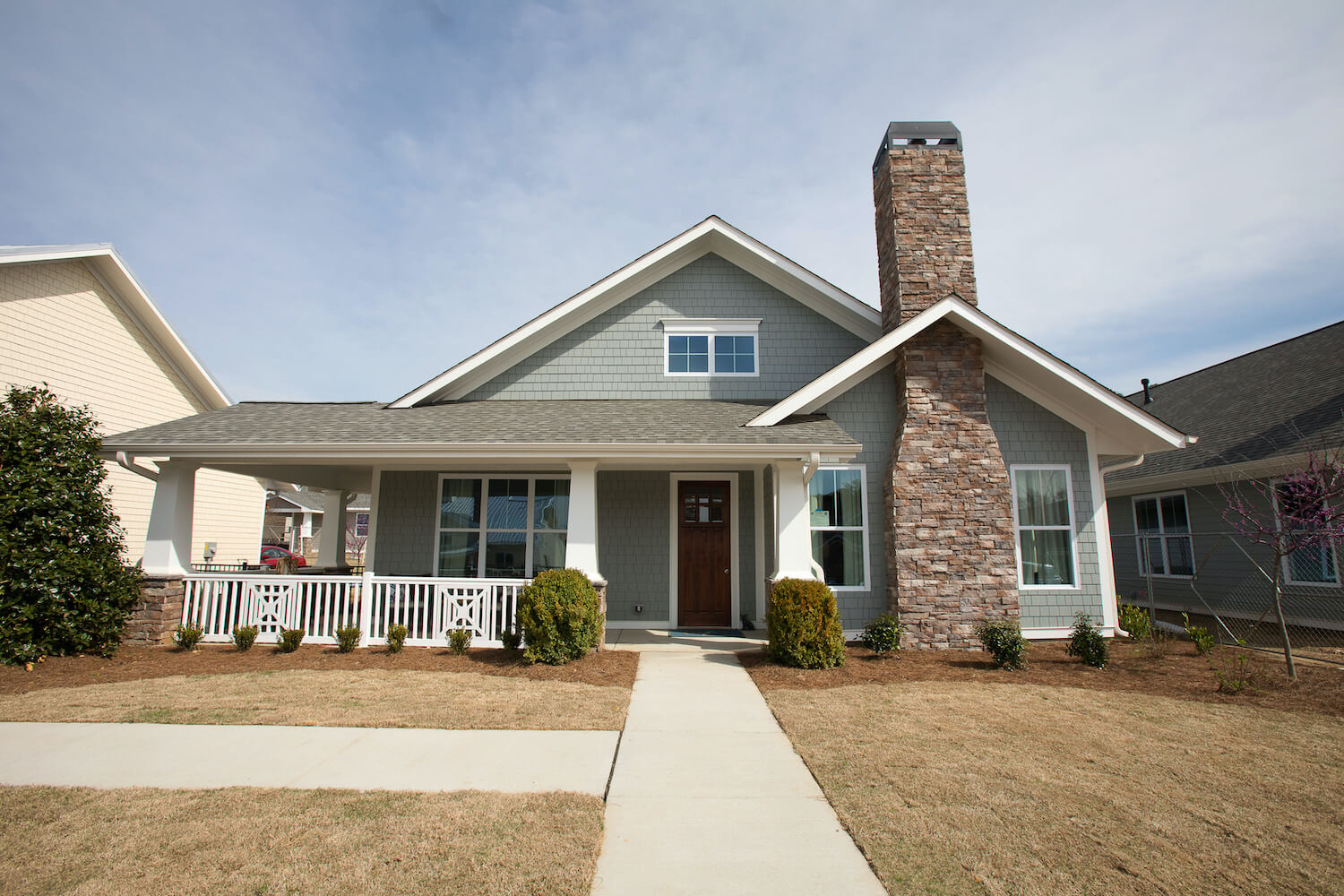
Design Principles of Cottages for Seniors: Creating Comfort and Independence
Designing cottages for seniors requires a thoughtful approach, focusing on creating spaces that promote both comfort and independence while addressing the unique needs of aging individuals. These principles ensure a safe, accessible, and enjoyable living environment.
1. Accessibility and Universal Design
Accessibility is paramount. Universal design principles should be integrated throughout the cottage, including features like wider doorways (at least 36 inches) to accommodate wheelchairs and walkers. Ramps with gentle slopes should replace steps where possible, and lever-style door handles are easier to operate than knobs. Bathrooms should include grab bars near toilets and in showers, and roll-in showers eliminate the need to step over a threshold, reducing the risk of falls. According to the National Institute on Aging, falls are a leading cause of injury among older adults, making these modifications crucial.
2. Safety Features and Fall Prevention
Safety is a key consideration. Non-slip flooring throughout the cottage minimizes the risk of slips and falls. Adequate lighting, including nightlights in hallways and bathrooms, enhances visibility and reduces disorientation during the night. Emergency call systems or wearable alert devices can provide immediate assistance in case of a fall or other emergency. Additionally, ensuring clear pathways free of clutter and potential tripping hazards is essential for maintaining a safe environment.
3. Comfort and Convenience
Comfort is essential for well-being. Cottages should be designed with comfortable temperatures in mind, providing energy-efficient heating and cooling systems. Easy-to-operate thermostats and appliances promote independence. Kitchens should feature adjustable-height countertops and pull-out shelves for easy access to items. Comfortable seating areas and natural light contribute to a relaxing and enjoyable living space.
4. Adaptability and Future-Proofing
Adaptability ensures the cottage remains suitable as the senior's needs evolve. Consider incorporating flexible spaces that can be easily repurposed, such as a spare room that can function as a home office, hobby area, or caregiver suite. Reinforced walls in bathrooms allow for the future installation of grab bars if needed. Smart home technology, such as voice-activated controls for lighting and temperature, can enhance independence and convenience as abilities change.
Health and Wellness in Senior Cottage Communities: A Holistic Approach
Senior cottage communities increasingly emphasize holistic well-being, recognizing the interconnectedness of physical, mental, and social health for older adults. This approach aims to provide a supportive environment that fosters independence and enhances quality of life.
1. Promoting Physical Activity and Mobility
Senior cottage communities often feature amenities designed to encourage physical activity. These may include walking trails, fitness centers equipped with senior-friendly equipment, and organized exercise classes tailored to different mobility levels. Regular physical activity helps maintain muscle strength, improve balance, and reduce the risk of falls, contributing to greater independence and overall well-being. Some communities also offer specialized rehabilitation services for residents recovering from injuries or surgeries.
2. Fostering Social Connections and Engagement
Combating social isolation is a key focus in senior cottage communities. A variety of social activities and events are organized to promote interaction and build relationships among residents. These can range from group outings and shared meals to book clubs, art classes, and volunteer opportunities. Creating a strong sense of community helps residents feel connected, supported, and engaged, which is crucial for their mental and emotional health.
3. Supporting Mental and Cognitive Well-being
Mental and cognitive health are integral components of holistic wellness. Senior cottage communities often provide resources and programs aimed at stimulating the mind and promoting emotional well-being. These may include memory care programs, counseling services, and activities designed to enhance cognitive function, such as brain games and puzzles. Access to mental health professionals and support groups can also help residents cope with stress, anxiety, and other emotional challenges.
Technological Innovations Enhancing Senior Independent Living in Cottages
Technology is revolutionizing senior living, making independent living in cottages safer, more convenient, and more engaging than ever before. These advancements empower seniors to maintain their independence and enjoy a higher quality of life.
1. Smart Home Automation
Smart home technology is transforming cottages into responsive environments. Features like automated lighting, temperature control, and smart appliances can be controlled remotely via voice commands or smartphone apps. This technology enhances comfort and convenience, allowing seniors to manage their living spaces with ease and reducing the need for physical exertion. Moreover, smart security systems with remote monitoring provide peace of mind for both seniors and their families.
2. Health Monitoring Systems
Remote health monitoring devices are becoming increasingly integrated into senior living cottages. Wearable sensors and in-home monitoring systems can track vital signs, activity levels, and sleep patterns. This data is transmitted to healthcare providers, enabling early detection of potential health issues and proactive intervention. These systems provide reassurance and support for seniors managing chronic conditions, and they can also reduce the need for frequent in-person doctor visits.
3. Communication and Social Connectivity
Technology plays a crucial role in fostering social connections and combating social isolation among seniors. Cottages equipped with video conferencing systems and social networking platforms enable seniors to stay connected with family and friends, regardless of geographical distance. Online communities and virtual events provide opportunities for seniors to engage in social activities and pursue their interests, promoting mental and emotional well-being.
4. Fall Detection and Emergency Response
Fall detection technology is a critical safety feature in senior living cottages. Wearable devices or sensors embedded in the living space can automatically detect falls and alert emergency services or designated contacts. This rapid response system can significantly reduce the risk of serious injury and improve health outcomes following a fall. Some systems also incorporate emergency call buttons for seniors to request assistance in urgent situations.
Addressing Challenges in Over 55 Cottage Communities: Solutions and Strategies
Cottage communities designed for those aged 55 and over offer a unique lifestyle, but they are not without their challenges. Proactive solutions are essential for fostering thriving, supportive environments.
1. Combating Social Isolation
Social isolation can be a significant issue in over 55 communities. To combat this, community organizers can implement regular social events, such as group fitness classes, book clubs, and potlucks. Creating shared spaces like community gardens or hobby workshops can also encourage interaction and build a sense of belonging. Utilizing technology through community-specific apps or online forums can help residents connect and stay informed about activities, especially for those with mobility limitations.
2. Addressing Healthcare Accessibility
Access to healthcare is a primary concern for older adults. Cottage communities can partner with local healthcare providers to offer on-site clinics or telehealth services. Arranging transportation to medical appointments and providing educational workshops on health management are also beneficial. Furthermore, advocating for improved public transportation options in the surrounding area can enhance accessibility for residents who wish to maintain their independence.
3. Managing Maintenance and Upkeep
Maintaining the cottages and community grounds can be a burden for some residents. Establishing clear guidelines for property maintenance and offering optional landscaping or home repair services can alleviate this concern. Creating a reserve fund to cover major repairs and replacements ensures that the community remains well-maintained and attractive, thereby preserving property values and resident satisfaction.
4. Ensuring Financial Stability
Financial stability is crucial for the long-term viability of cottage communities. Implementing transparent budgeting practices and providing residents with clear information about fees and expenses can foster trust and prevent misunderstandings. Exploring options for shared services, such as bulk purchasing of utilities or insurance, can help reduce costs for individual residents. Encouraging financial planning workshops can also empower residents to make informed decisions about their retirement savings.