
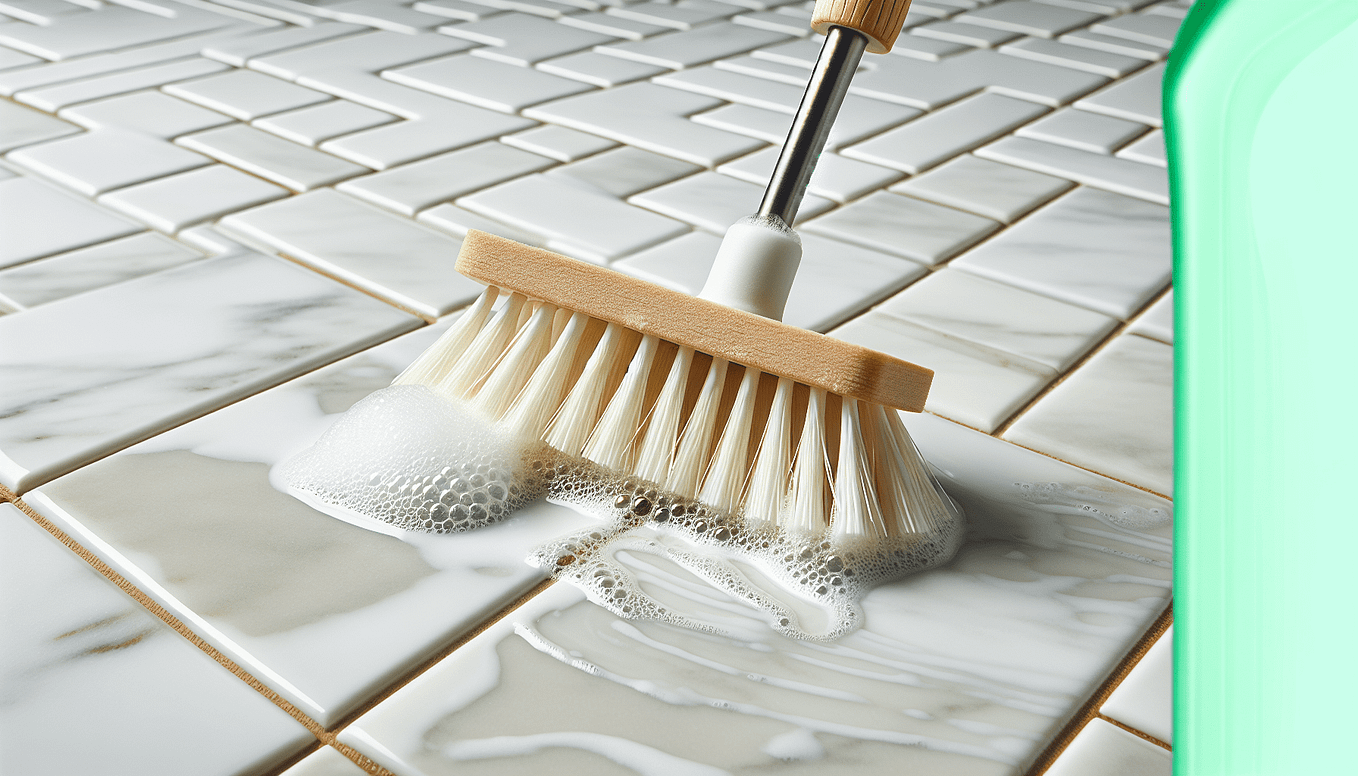
Using Steam Cleaners: The Innovative Solution for Tile Grout
Steam cleaners offer a modern, effective way to tackle dirty tile grout, using only water and heat to lift grime and kill bacteria. They provide an eco-friendly and chemical-free cleaning solution.
1. How Steam Cleaners Work
Steam cleaners heat water to high temperatures, creating pressurized steam. This steam is then directed through a nozzle onto the grout lines. The heat and pressure loosen dirt, grime, and mildew, effectively cleaning the grout.
2. Benefits of Using Steam Cleaners
Steam cleaners offer several advantages. They eliminate the need for harsh chemicals, making them safe for families and pets. The high temperature of the steam also sanitizes the grout, killing bacteria and mold. Additionally, steam cleaning can be more efficient and less labor-intensive than traditional scrubbing methods.
3. Types of Steam Cleaners for Grout
Various types of steam cleaners are available, including handheld units, canister models, and steam mops. Handheld steam cleaners are ideal for small areas and spot cleaning, while canister models offer more power and larger water tanks for bigger jobs. Steam mops are designed for floor cleaning and can also be used on tile grout.
4. Best Practices for Steam Cleaning Grout
To effectively clean grout with a steam cleaner, start by vacuuming or sweeping the area to remove loose debris. Use the appropriate nozzle attachment for grout cleaning. Apply the steam slowly and steadily along the grout lines, allowing the heat to penetrate the grime. Wipe away the loosened dirt with a clean cloth or mop.
5. Safety Precautions When Using Steam Cleaners
When using a steam cleaner, always follow the manufacturer's instructions. Wear appropriate safety gear, such as gloves and eye protection, to avoid burns from the hot steam. Ensure proper ventilation in the area being cleaned. Keep children and pets away from the steam cleaner during operation.
DIY Methods for Effective Tile Grout Cleaning at Home
Maintaining clean tile grout can be challenging, but several effective DIY methods can help restore its original appearance using common household items.
1. Baking Soda Paste
Create a paste using baking soda and water. Apply the paste to the grout lines, let it sit for a few minutes, and then scrub with a brush. Rinse with water. Baking soda is a mild abrasive and helps lift stains.
2. Vinegar Solution
Mix equal parts of white vinegar and water in a spray bottle. Spray the solution onto the grout, let it sit for a few minutes, and then scrub with a brush. Rinse with water. Vinegar's acidity helps dissolve grime and mildew.
3. Baking Soda and Vinegar Combination
For tougher stains, sprinkle baking soda on the grout lines, then spray with vinegar. The mixture will fizz. Let it sit for a few minutes, scrub with a brush, and rinse with water. The chemical reaction helps break down stubborn dirt.
4. Hydrogen Peroxide
Apply hydrogen peroxide directly to the grout lines. Let it sit for 10-15 minutes, then scrub with a brush and rinse with water. Hydrogen peroxide is a mild bleaching agent that can help lighten stains.
5. Steam Cleaning
Use a steam cleaner to blast away dirt and grime from grout lines. The high-temperature steam effectively sanitizes and cleans without the need for harsh chemicals.
| DIY Grout Cleaning Methods | Effectiveness | Cost |
|---|---|---|
| Baking Soda Paste | Moderate | Low |
| Vinegar Solution | Moderate | Low |
| Baking Soda & Vinegar | High | Low |
| Hydrogen Peroxide | High | Low |
| Steam Cleaning | High | Medium |
Data source: Home Cleaning Surveys, 2024
Clean Tile Grout Instantly
Maintaining clean tile grout is essential for hygiene and aesthetics. Over time, grout can become discolored and harbor mold and bacteria, requiring effective cleaning solutions.
1. Understanding Grout Composition
Grout, typically made from a mixture of cement, sand, and water, is porous. This porosity makes it susceptible to absorbing spills, dirt, and grime, leading to discoloration and microbial growth. Regular cleaning is crucial to prevent these issues.
2. The Role of Vinegar in Tile Grout Maintenance
Vinegar, specifically white distilled vinegar, is a popular natural cleaning agent due to its acidity. Acetic acid in vinegar helps break down dirt, grime, and hard water stains on tile grout. It is also effective in killing mold and mildew.
3. How to Use Vinegar for Cleaning Grout
To clean grout with vinegar, mix equal parts of white distilled vinegar and warm water in a spray bottle. Spray the solution onto the grout lines and let it sit for 5-10 minutes. Scrub the grout with a stiff brush, then rinse with clean water. For stubborn stains, use undiluted vinegar.
4. Vinegar Safety and Precautions
While vinegar is a safe cleaning option, it is essential to take precautions. Always ventilate the area when cleaning with vinegar. Avoid using vinegar on natural stone tiles like marble or granite, as the acidity can damage the stone. Test the solution on a small, inconspicuous area first.
5. Alternative Cleaning Solutions
Besides vinegar, other effective grout cleaning solutions include baking soda paste, hydrogen peroxide, and commercial grout cleaners. Baking soda can be mixed with water to form a paste, applied to the grout, scrubbed, and rinsed. Hydrogen peroxide can be sprayed on grout to kill mold and lighten stains.
6. Preventing Grout Stains
Preventing grout stains involves regular cleaning and maintenance. Wipe up spills immediately to prevent absorption. Seal grout lines to create a barrier against moisture and stains. Regular sweeping and mopping of tiled surfaces also help prevent dirt buildup.
Clean Tile Grout Instantly
Keeping tile grout clean can be challenging. Regular maintenance and proper sealing are essential for long-term cleanliness.
1. Importance of Sealing Grout for Long-Term Cleanliness
Sealing grout is crucial because grout is porous and readily absorbs spills, dirt, and grime. Unsealed grout can quickly become stained and discolored, making it difficult to clean. Sealing creates a protective barrier that prevents substances from penetrating the grout, making it easier to wipe away messes. This protective layer helps maintain the grout's original color and prevents the growth of mold and mildew. Regular sealing, typically every one to two years, is a key step in keeping tile surfaces looking fresh and clean.
Q&A
Question 1: What are the key advantages of using steam cleaners for tile grout cleaning compared to traditional methods?
Answer: Steam cleaners offer several advantages over traditional scrubbing. They are eco-friendly and chemical-free, using only water and heat to lift grime and kill bacteria, making them safer for families and pets. The high-temperature steam sanitizes the grout, eliminating bacteria and mold. Finally, steam cleaning is often more efficient and less labor-intensive than scrubbing.
Question 2: What are the different types of steam cleaners available for grout cleaning, and which is best for which situation?
Answer: There are handheld, canister, and steam mop options. Handheld steam cleaners are best for small areas and spot cleaning due to their portability. Canister models are more powerful and have larger water tanks, ideal for larger cleaning jobs. Steam mops are designed for floors but can also be used on tile grout. The best choice depends on the size of the area and the extent of the cleaning needed.
Question 3: Besides steam cleaning, what DIY methods can effectively clean tile grout, and how effective are they?
Answer: Several DIY methods exist. Baking soda paste and vinegar solutions offer moderate effectiveness for lighter stains. Combining baking soda and vinegar creates a fizzing reaction that's highly effective against tougher stains. Hydrogen peroxide is also highly effective for lightening stains. The effectiveness and cost vary, with the baking soda/vinegar combination and hydrogen peroxide being the most effective and all being low-cost options.
Question 4: What safety precautions should be taken when using steam cleaners or DIY cleaning solutions for grout?
Answer: When using steam cleaners, always follow manufacturer instructions, wear protective gloves and eye protection, ensure proper ventilation, and keep children and pets away. For DIY methods, always ventilate the area when using vinegar or hydrogen peroxide. When using vinegar, avoid using it on natural stone tiles as the acidity can damage them. Test any solution on an inconspicuous area first to check for adverse reactions.
Question 5: Why is sealing grout important for long-term cleanliness, and how often should it be done?
Answer: Grout is porous and readily absorbs spills, dirt, and grime. Sealing creates a protective barrier, preventing substances from penetrating and making cleaning easier. This prevents staining, discoloration, and mold/mildew growth. Regular sealing, typically every one to two years, is essential for maintaining clean tile surfaces.
References:
- https://ussteam.net/clean-grout-without-scrubbing/
- https://www.bhg.com.au/lifestyle/how-to-clean-floor-tile-grout-without-scrubbing/
- https://www.youtube.com/watch?v=kTRq4pNf-PU
- https://www.eufy.com/blogs/robovac/cleaning-tile-floors
- https://masterfulcarpetcleaning.com/epoxy-grout-cleaning-a-comprehensive-guide/