
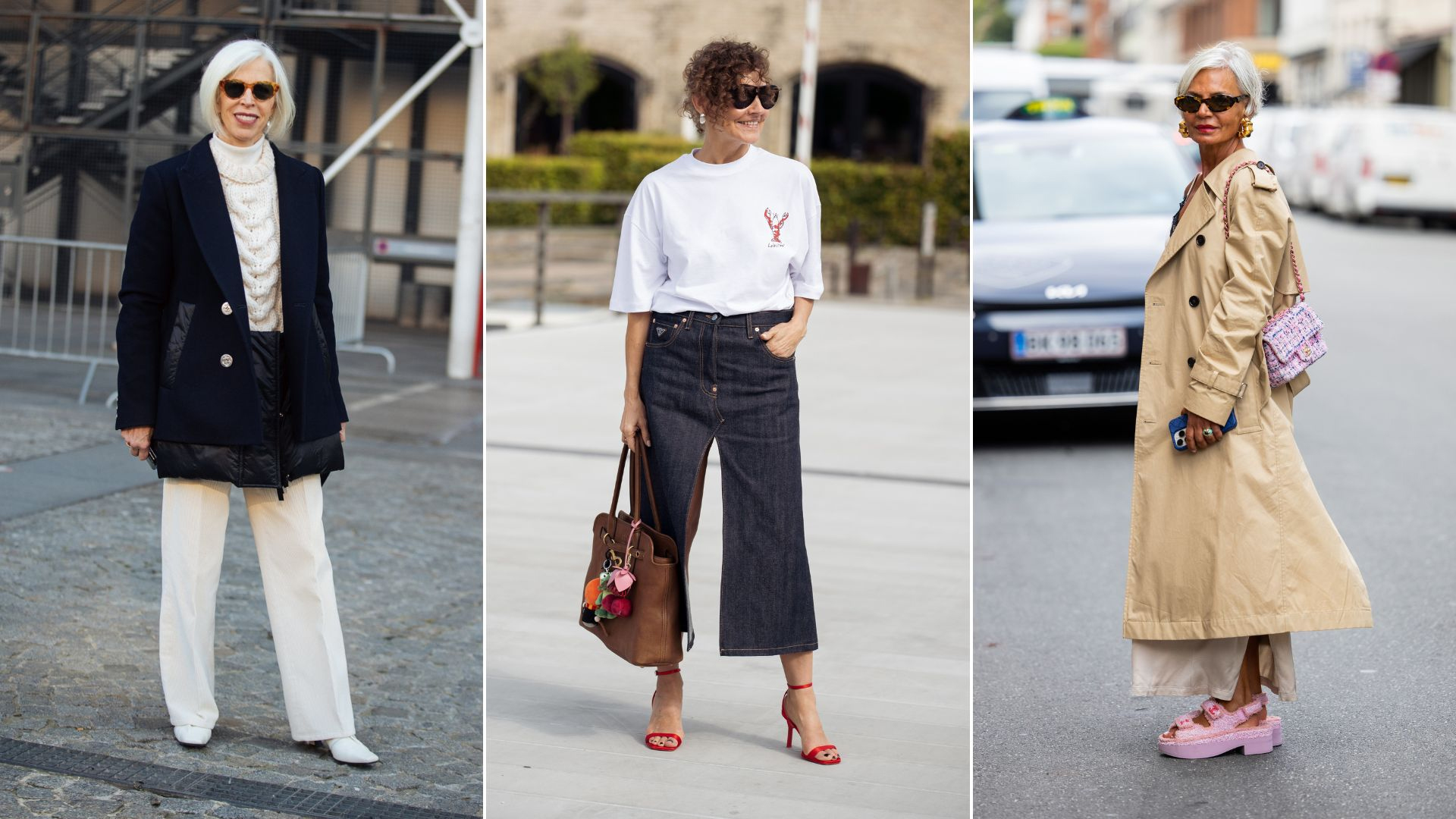
Step One: Let Your Current Body Lead the Way
When Your Shape Changes but Your Closet Doesn’t
Many closets still speak to a younger body: fitted blazers that no longer close smoothly, pencil skirts that dig into the waist, knits that pull across the bust. Nothing is dramatically “wrong,” yet every outfit feels slightly off. It’s easy to blame a few extra pounds or promise yourself you’ll “shrink back into” old sizes, but that mindset quietly turns the closet into a daily reminder of not measuring up. The result is a packed rod of clothes you avoid and a tiny handful of “safe” pieces you wear on repeat, fueling the sense of having nothing to wear.
Accepting that your shape has simply evolved—not failed—changes everything. Instead of forcing old cuts to behave, look for clothes that follow your current lines: waists that sit comfortably without digging, shoulder seams that land at the edge of the bone, fabrics that skim instead of grip. When movement feels easy and you’re not holding your breath to keep a zipper closed, elegance shows up as ease. You immediately look more refined because you’re no longer fighting what you’re wearing.
Fabrics and Fits That Support, Not Squeeze
After midlife, comfort stops being a bonus and becomes a non‑negotiable. That doesn’t mean baggy; it means cooperative. Fabrics with gentle drape and a bit of weight glide over curves instead of clinging to every line. Think soft woven trousers, fluid midi skirts, knit dresses that skim, structured jersey that moves with you. Slight stretch is helpful, but “vacuum‑seal” fabrics only emphasize areas you’d rather soften.
Fit is less about a number on the tag and more about how your clothes behave in motion. Try this test: raise your arms, sit, reach, walk. If fabric cuts into your waist, pulls across your back, or needs constant tugging, the cut is wrong for your life now. A well‑cut straight leg pant, a lightly shaped jacket, and tops that end around the hip bone often flatter a wide range of mature figures. When clothes cooperate with your day—driving, bending, standing—you automatically carry yourself with more confidence, and that reads as chic far more than any trend.
Step Two: Align Clothes With the Life You Actually Live
When Your Schedule Changes but Your Wardrobe Stays Stuck
Many wardrobes are like personal archives: power suits from busy office years, cocktail dresses from a high‑event social life, stacks of super‑casual tees from kid‑raising seasons. Meanwhile, your real days might now be coffee dates, volunteer work, casual dinners, travel, and plenty of walking. If most of your rail is either boardroom‑sharp or couch‑casual, it makes sense that a simple lunch with friends feels hard to dress for. Everything is either too formal, too sporty, or too fussy for what you actually do.
A helpful exercise is to map your week in broad strokes: relaxed days out, smart‑casual gatherings, occasional dress‑up moments. Then look at your closet and see whether the proportions match. Often, the clothes that suit your most frequent activities hide in a cramped corner, while rarely worn outfits occupy prime real estate. Gently flipping that ratio—giving everyday, polished‑casual pieces the best space—instantly makes getting dressed feel lighter and more realistic.
Dressing for High‑Frequency Moments
Instead of building outfits for hypothetical occasions, focus on the situations that show up repeatedly: strolls, brunches, family gatherings, low‑key work or volunteer commitments, travel days. You need pieces that can slide between those scenes with tiny tweaks. Think: neat jeans or soft trousers, an easy knit dress, a couple of elevated blouses, a great cardigan or unstructured blazer, simple flats and low‑heel boots.
Here, versatility matters more than drama. A fluid pant that works with sneakers and with loafers will earn its space far more than a statement skirt worn once a year. When you can reach in half‑awake and pull out an outfit that feels “put together but not overdressed,” you’ve hit the sweet spot for this stage of life.
| Daily Scenario Type | Most Helpful Outfit Direction | Who It Suits Best (Mindset, Not Size) |
|---|---|---|
| Errands + coffee meetups | Soft jeans or trousers + easy knit + flats | Wants comfort first, but still cares about polish |
| Casual social gatherings | Midi dress or nice jeans + blouse + cardigan | Enjoys feeling a bit special without going “all out” |
| Light work / volunteering | Tailored pants + simple top + soft jacket | Likes looking reliable, capable, and quietly confident |
| Travel and day trips | Stretch pants + breathable layers + sneakers | Prioritizes movement, hates fussing with clothes |
Instead of asking “Is this cute?”, try asking “Which real‑life scenes could this handle?” Pieces that serve several of your frequent scenes are the ones that make an elegant, realistic wardrobe feel effortless.
Step Three: Build a Calm, Mix‑Friendly Core
Color and Shape That Play Nicely Together
The most graceful wardrobes for mature women are rarely built on a hundred different colors. They lean on a small family of neutrals and a few flattering accents. Soft navy, charcoal, stone, cream, camel, and chocolate all tend to look kinder than stark black and white right under the face, yet still read as refined. Add two or three accent shades that make your skin glow—maybe soft blue, rose, teal, or a deeper wine tone—and repeat them in tops, scarves, and prints.
Silhouette “recipes” simplify things further. Perhaps your go‑to formula is “relaxed top + straight pant + third layer,” or “midi dress + short cardigan,” or “slim pant + longer jacket.” When you know which shapes always feel right, shopping stops being random. You’re no longer collecting lonely “cute tops”; you’re deliberately looking for pieces that plug into your proven formulas and your chosen palette.
Wardrobe Staples That Truly Earn Their Hanger Space
A refined closet doesn’t have to be tiny, but it does need a hardworking core. For many women over fifty, that might look like:
- Two pairs of great‑fitting jeans or casual pants
- One pair of dressier trousers in a neutral tone
- One or two midi skirts (straight or A‑line)
- A handful of solid knits and shirts in flattering colors
- One easy day dress you actually enjoy wearing
- A soft blazer or structured knit jacket
- A long cardigan or light coat for layering
- Low‑heel boots, polished flats, and one slightly dressier shoe
These aren’t rules; they’re anchors. Around them, you can sprinkle personality through prints, textures, and accessories. But when this backbone is in place, your closet stops feeling like a chaotic thrift store and starts behaving like a curated boutique specifically for your life now.
| Core Piece Type | Why It’s Valuable After 50 | Great For Women Who Want… |
|---|---|---|
| Straight or slim jeans | Structure without squeezing, easy to dress up/down | Casual options that still feel intentional |
| Soft neutral trousers | Instant polish with flats or low heels | A bridge between jeans and formal wear |
| Midi dress | One‑and‑done outfits that skim the body | Simplicity with a feminine, grown‑up feel |
| Third‑layer jacket | Adds shape, hides lines, finishes any look | A “cheat code” for looking sharp with no effort |
| Comfortable flats/boots | Confident walk, relaxed posture | Style that doesn’t sacrifice foot and joint comfort |
Step Four: Use Style to Express, Not Erase, Your Story
Letting Go of Clothes That Belong to Another Chapter
Emotional attachments run deep: the little black dress from a memorable evening, the suit from a major career milestone, the tiny jeans that represent “someday.” When too many of these artifacts live in your everyday closet, you end up getting dressed in a museum. Every hanger whispers about who you used to be, instead of supporting who you are now.
You don’t have to toss every sentimental piece. Instead, give them honest roles. A few true keepsakes can live in a memory box or a separate space, where they’re honored but no longer judging your daily choices. Pieces you keep only for “when I lose ten pounds” or “if this comes back in style” usually serve guilt more than joy. Releasing them—by donating, gifting, or consigning—creates breathing room for clothes that fit both your current body and your current life.
Adding Accessories That Feel Modern, Not Overdone
Once the foundation is right, small details can make outfits feel current and personal. Think sculptural but not heavy earrings, a sleek watch, a simple bracelet, or a pendant that sits nicely in an open neckline. Choose one dominant metal that flatters your undertone—warm golds for golden skin, cooler silvers for rosy or deep skin—and let that repeat. It quietly ties everything together.
Scarves, belts, bags, and shoes are powerful refreshers. A soft scarf in a luminous color can brighten the face more gently than makeup. A structured tote or crossbody in a rich neutral instantly sharpens jeans and a sweater. Low‑heel boots in a modern shape can make older trousers feel new. The key is restraint: let one or two accents speak, and keep the rest clean. Instead of hiding age, these touches frame your experience with intention, sending the message, “I know who I am—and I dress like it.”
Q&A
- How can a 50-year-old woman build a capsule wardrobe that still feels stylish and modern?
Start with a neutral color palette, choose 20–30 mix‑and‑match pieces, prioritize fit and fabric, then add a few statement items like a bold blazer, scarf, or handbag to keep the capsule current. -
What fashion tips help women in their 50s look elegant without feeling overdressed?
Focus on clean lines, quality fabrics, and subtle details; pair one statement piece with simple basics, and keep accessories refined so your overall look feels effortless, not fussy or overdone. -
How can mature women keep outfits chic while prioritizing comfort?
Choose breathable natural fabrics, elastic or side‑zip waistbands, block heels, and soft knits; elevate these with tailored cuts, good posture, and accessories like structured bags or sleek jewelry.