
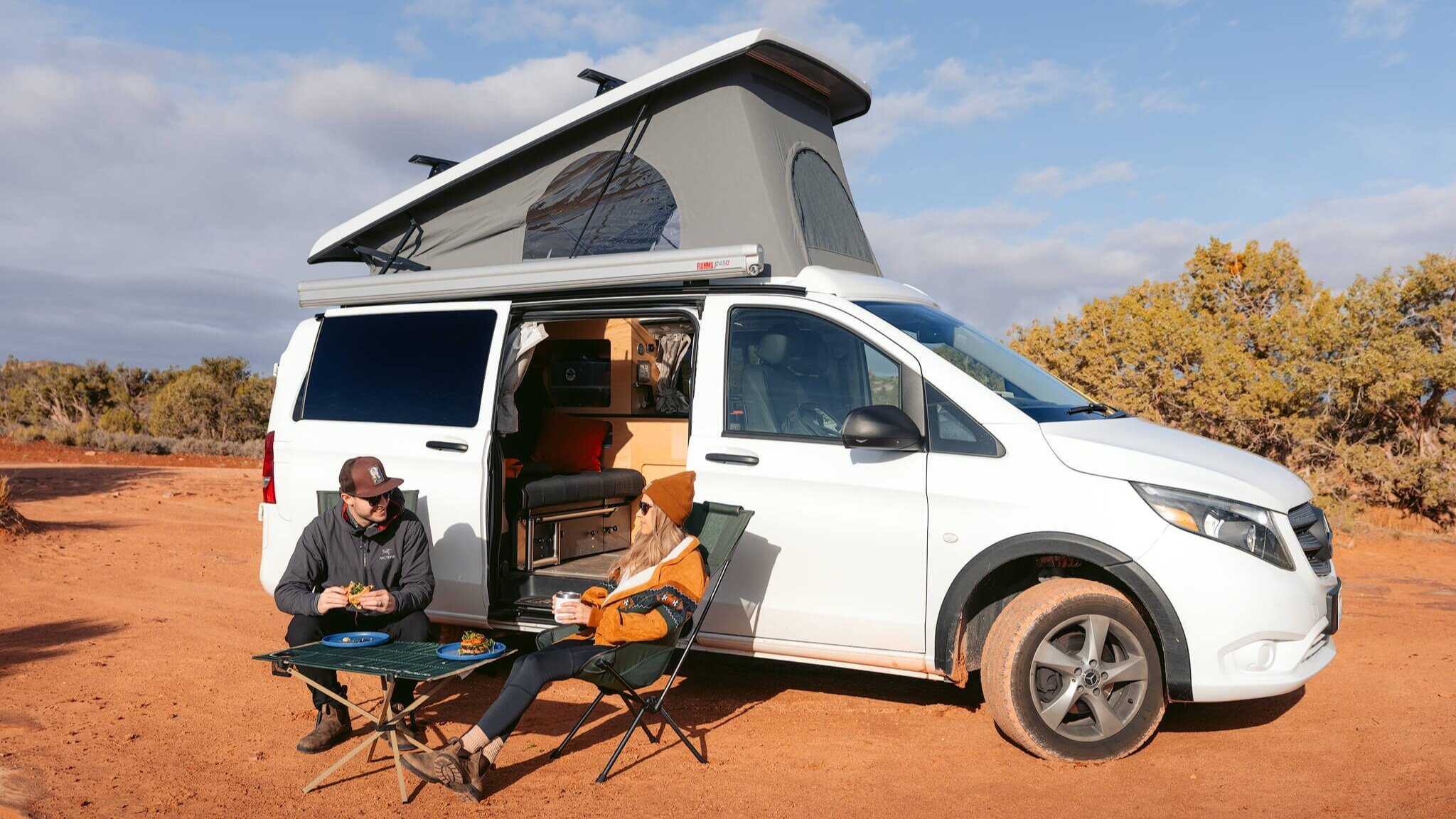
Introduction to Camp Vans
Camp vans, also known as campervans, have revolutionized the way people experience travel and outdoor adventures. These versatile vehicles combine the mobility of a van with the comfort and convenience of a mini - home. They offer an alternative to traditional hotel stays and tent camping, providing a unique blend of freedom, flexibility, and coziness. Whether you're a solo traveler seeking solitude, a couple on a romantic getaway, or a family looking for a fun - filled vacation, a camp van can be tailored to meet your needs.
Types of Camp Vans
Class B Campervans
-
Design and Layout:Class B campervans are built on a van chassis, typically a full - size van like a Ford Transit, Mercedes - Benz Sprinter, or Ram ProMaster. They are known for their compact and efficient design. Inside, you'll find a cleverly arranged layout that maximizes the limited space. Usually, there's a sleeping area, which can often be converted from a seating area during the day.
-
Advantages:One of the main advantages of Class B campervans is their maneuverability. They are easy to drive, park, and navigate through narrow streets and crowded areas. Their compact size also means they can access more remote camping spots that larger RVs might not be able to reach. They are fuel - efficient compared to bigger motorhomes, which can save you money on long trips.
-
Disadvantages:Due to their small size, Class B campervans have limited space. The sleeping area may be a bit cramped for taller individuals, and the storage space for luggage and supplies is also restricted. The on - board water and waste tanks are smaller, so you may need to refill and empty them more frequently. And if you're traveling with a larger group, the limited space can quickly feel crowded.
Pop - Top Campervans
-
Unique Feature:Pop - top campervans are a variation of Class B campervans. Their defining feature is the pop - up roof. When the roof is closed, the van has a low profile, which is great for driving on the highway and fitting into standard parking spaces. But when you reach your campsite, you can raise the pop - top roof. This creates additional headroom inside the van and often provides an extra sleeping area on a raised platform.
-
Benefits:The pop - top adds versatility to the van. During the day, with the roof down, you can drive around comfortably, and when you're parked, the extra headroom makes the interior feel more spacious. The additional sleeping area on the pop - top is a great option for families or groups, as it can accommodate more people.
-
Considerations:The pop - top does add some complexity to the van. It requires regular maintenance to ensure the seals are in good condition to prevent leaks. Also, when the pop - top is raised, the van's overall height increases, so you need to be more cautious about low - hanging branches, bridges, and parking structures.
Camp Van Rentals
Popular Rental Locations
-
California:California is a campervan rental paradise. With its diverse landscapes, from the sunny beaches of the coast to the majestic mountains of the Sierra Nevada and the arid beauty of the deserts, there's something for every campervan enthusiast. In cities like Los Angeles and San Francisco, you'll find numerous rental companies offering a wide range of campervans. You can start your trip along the famous Pacific Coast Highway, stopping at charming coastal towns, or head inland to explore national parks like Yosemite or Joshua Tree.
-
Phoenix:Phoenix, located in the southwestern region, is another great starting point for campervan adventures. From here, you can easily access the stunning red rock formations of Sedona, the vast expanse of the Grand Canyon, or the unique landscapes of the Sonoran Desert. The warm climate in Phoenix makes it an attractive location for campervan rentals year - round, although it can get extremely hot in the summer months.
Rental Process and Costs
-
Process:Renting a camp van usually involves a few simple steps. First, you need to choose a rental company. You can do this by researching online, reading reviews, and comparing prices. Once you've selected a company, you'll need to check the availability of the campervan you want for the dates you plan to travel. You'll then need to provide some personal information, such as your driver's license details, and may need to put down a deposit. Some rental companies may also require you to purchase additional insurance, although your personal auto insurance may cover some aspects of the rental.
-
Costs:The cost of renting a camp van can vary widely. It depends on factors such as the type of van (Class B, pop - top, etc.), the length of the rental period, and the time of year. On average, you can expect to pay anywhere from 100 to 300 per day for a basic Class B campervan. Pop - top campervans or more luxurious models may cost upwards of $400 per day. Weekly and monthly rentals often come with discounted rates.
Camp Van Road Trips
Planning Your Route
-
Research Destinations:Before setting off on your camp van road trip, it's essential to research your destinations. Look for places that offer camping facilities, whether they are national parks, state parks, private campgrounds, or even dispersed camping areas (where permitted). Consider the attractions in the area, such as hiking trails, beaches, historical sites, or local events. You can use travel guidebooks, online forums, and official park websites to gather information.
-
Create an Itinerary:Based on your research, create a rough itinerary. Decide how many days you'll spend at each location, allowing for some flexibility in case you discover something unexpected along the way. Plan your driving distances carefully, making sure not to overdo it in a single day. Remember to factor in time for stops, meals, and exploration at each destination.
Essential Gear and Supplies
-
Camping Equipment:You'll need basic camping gear such as bedding (sleeping bags, pillows, and sheets), cooking utensils (pots, pans, plates, bowls, utensils), and a camping stove if your campervan doesn't have one. A cooler is also essential for keeping food and drinks cold, especially if you plan to do some grocery shopping along the way.
-
Navigation Tools:While most modern campervans come with GPS systems, it's also a good idea to carry a map of the area you'll be traveling in. A compass can be useful in case of GPS failure, and a mobile phone with a navigation app (downloaded offline maps are recommended for areas with poor signal) can provide additional guidance.
Competitor Analysis
Camp Van Rental Companies vs. RV Rental Companies
-
Vehicle Options:RV rental companies generally offer a wider range of vehicle sizes and types, from small travel trailers to large Class A motorhomes. This can be appealing if you need a lot of space for a large family or group. Camp van rental companies, on the other hand, focus mainly on campervans, which are more compact and suitable for smaller groups or solo travelers.
-
Cost:Camp van rentals are often more affordable than RV rentals, especially for shorter trips. The smaller size of campervans means they are more fuel - efficient, and the rental rates are generally lower. RVs, especially the larger models, can be more expensive to rent and operate due to their size and higher fuel consumption.
Different Camp Van Rental Companies
-
Fleet Quality and Variety:Established and well - known camp van rental companies tend to have a larger and higher - quality fleet. They invest in maintaining their vehicles regularly and may offer a wider variety of campervan models and styles. Smaller rental companies may have a more limited selection, but they may also offer more personalized service and potentially lower prices.
-
Customer Service and Support:Larger rental companies usually have more resources for customer service, including 24/7 helplines, roadside assistance, and comprehensive pre - rental orientations. Smaller companies may offer a more hands - on and personalized experience, but they may not be able to provide the same level of round - the - clock support.
Chart
The following table shows the average daily rental cost of different types of camp vans and RVs in a popular rental location, based on data from www.campervandrentalresearch.com.
|
Vehicle Type
|
Average Daily Rental Cost ($)
|
|
Class B Campervan
|
150
|
|
Pop - Top Campervan
|
180
|
|
Small Travel Trailer (RV)
|
200
|
|
Class A Motorhome (RV)
|
300
|
QA
Question: Do I need a special license to drive a camp van?
Answer: In most cases, you don't need a special license to drive a camp van. As long as the campervan falls within the weight and size limits for a regular driver's license in your area, you can use your standard driver's license. However, it's always a good idea to check the local regulations before you rent and drive a camp van.
Question: Can I take a camp van on a ferry?
Answer: Yes, in many cases, you can take a camp van on a ferry. However, you need to check with the ferry company in advance. They will have specific requirements regarding vehicle size, weight, and the reservation process. Some ferries may also have restrictions on the type of fuel your campervan uses, so it's important to be well - informed.
Question: How do I find campsites for my camp van?
Answer: There are several ways to find campsites. You can use camping apps like Campendium, The Dyrt, or Hipcamp, which provide information on campsites, reviews from other campers, and reservation options. You can also check the websites of national parks, state parks, and private campgrounds in the areas you plan to visit.