
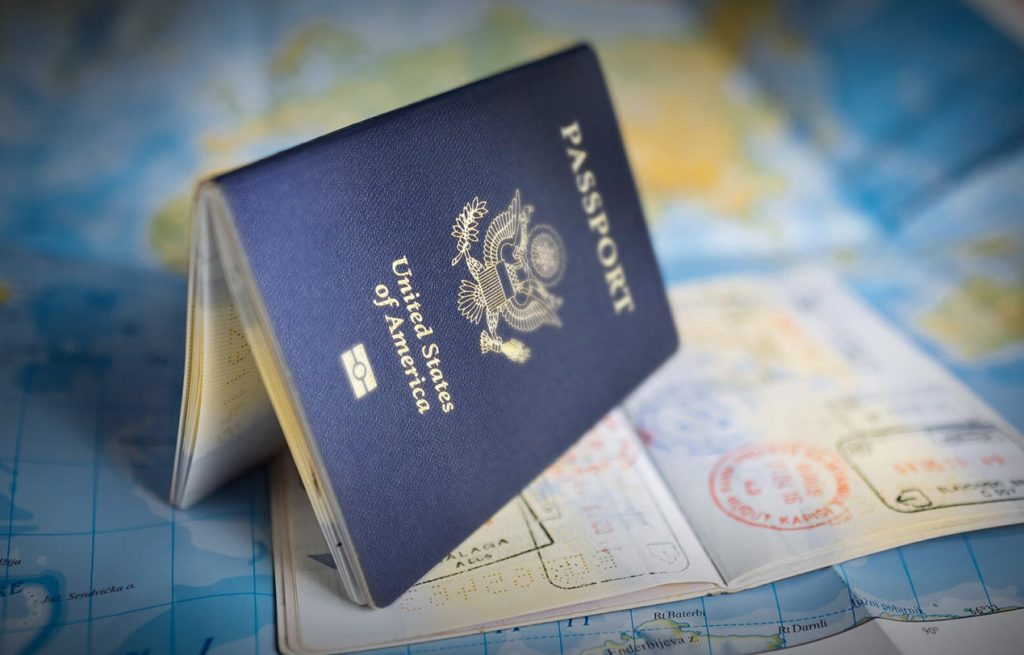
Decoding the Labyrinth: Types of Temporary Work Visas
Navigating the world of temporary work visas can feel like traversing a labyrinth. Numerous categories exist, each with its own set of requirements and limitations. Let's demystify some common types of temporary work visas and explore recent trends shaping their usage. The U.S. offers various avenues for foreign nationals seeking to work temporarily within its borders, each designed to cater to specific skills and employment scenarios. Understanding these categories is the first step in determining the right path for both employers and prospective employees.
1. High-Skilled Visas and Evolving Policies
High-skilled visas, such as the H-1B, are designed for individuals in specialty occupations requiring theoretical or technical expertise. Recent policy discussions often revolve around increasing the number of available visas and streamlining the application process. One proposed measure includes excluding derivative family members (spouses and children) from visa caps, potentially freeing up more visas for skilled workers themselves. Furthermore, there's a growing emphasis on STEM fields, with some proposals suggesting a presumption of eligibility for individuals with doctoral degrees in these areas, including the medical field. These adjustments aim to attract and retain top talent in critical sectors. Efforts are also being made to improve processing times and reduce backlogs, reflecting a broader push for efficiency in the visa system. The H-1B visa, in particular, has been a subject of intense debate, with discussions focusing on ensuring that it truly benefits the U.S. economy by attracting the best and brightest minds from around the world. The demand for these visas often exceeds the available supply, leading to a lottery system that determines which applications are selected for processing.
2. Visas for Individuals with Extraordinary Ability
Certain visa categories cater to individuals with extraordinary abilities in the sciences, arts, education, business, or athletics. These visas, often designated as O visas, require demonstrating a high level of achievement and recognition in the respective field. Proposed legislative changes could potentially ease the eligibility requirements for individuals with extraordinary ability, especially those holding advanced degrees in STEM or medical fields. This focus highlights the desire to attract individuals who can make significant contributions to innovation and progress. The criteria for demonstrating "extraordinary ability" are often rigorous, requiring substantial documentation of achievements, awards, and recognition. These visas are designed for those who have reached the very top of their fields and can provide substantial evidence of their accomplishments. The O visa category recognizes that talent knows no borders and that attracting individuals with exceptional skills and abilities can benefit the U.S. in numerous ways.
3. The Rise of Digital Nomad Visas and Remote Work Options
The increasing prevalence of remote work has led to the emergence of new visa categories catering to digital nomads. These visas allow individuals to work remotely for companies located outside the host country while residing within its borders. The introduction of digital nomad permits and the expansion of remote work visa options reflect a broader shift towards flexibility and digital innovation in the temporary work visa landscape. These types of visas often come with specific requirements, such as proof of income, health insurance, and a valid passport. They represent a growing trend in global mobility, allowing countries to attract skilled professionals who can contribute to the economy without necessarily filling traditional employment roles. As remote work continues to gain popularity, we can expect to see further developments in this area of temporary work visas. The rise of digital nomad visas reflects a recognition that work is no longer tied to a specific location and that talented individuals can contribute to the economy from anywhere in the world.
The Power of Preparation: Mastering the Application Process
Successfully navigating the temporary work visa application process requires meticulous planning and attention to detail. From understanding the specific requirements for your visa category to compiling all necessary documentation, preparation is paramount. Taking the time to gather the right information and complete your application accurately can significantly reduce the risk of delays or denials. A well-prepared application demonstrates your understanding of the process and your commitment to following the rules.
1. Gathering Required Documents
One of the initial and most crucial steps in the application process is compiling all the necessary documents. This often includes your passport, educational transcripts, employment history, and any other documents specified by the immigration authorities. It's essential to ensure that all documents are valid and, if necessary, translated into the required language by a certified translator. Keep copies of everything you submit, and organize your documents in a way that makes them easy to reference. Take your time to double-check each document against the official checklist to avoid any omissions. Remember, missing or incorrect documents are a common reason for application delays. Employers also play a crucial role in this stage. They need to understand the documentation required to verify employment eligibility, often using resources like the official "I-9 Central" to navigate the mandatory Form I-9 completion process. This collaboration between the employer and the applicant is vital for a smooth application process. Having all your documents in order not only speeds up the application process but also demonstrates your attention to detail and commitment to following the rules.
2. Understanding Eligibility Criteria
Each type of temporary work visa comes with its own set of eligibility criteria. Thoroughly understanding these requirements is vital before you even begin the application process. This includes factors such as your educational qualifications, work experience, the nature of the job you will be performing, and whether your employer meets specific requirements. Carefully review the official guidelines provided by immigration authorities and consult with an immigration professional if you are unsure about any aspect of the eligibility criteria. Make sure that you genuinely meet all the requirements before proceeding with your application. Attempting to apply for a visa that you are not eligible for will likely result in a denial and could potentially affect future applications. Furthermore, be aware of any recent changes to labor laws that might affect your eligibility or the application process. Staying informed about upcoming regulatory updates helps ensure that you meet all compliance requirements. Understanding the eligibility criteria is not just about meeting the minimum requirements; it's about ensuring that you are the best possible candidate for the visa you are seeking.
3. Submitting Accurate Information
Accuracy is key when completing your application forms. Double-check all information you provide, including dates, names, addresses, and other personal details. Any discrepancies or inconsistencies can raise red flags and lead to delays or even rejection. Ensure that all information you provide aligns with the supporting documents you submit. If there are any discrepancies, be prepared to provide an explanation and supporting evidence. It is always better to be upfront and transparent than to try to conceal information. The application process often involves submitting information online. Familiarize yourself with the online submission system and ensure that you have a stable internet connection. Before submitting, carefully review all the information you have entered to ensure its accuracy. Taking the time to submit accurate information demonstrates your attention to detail and commitment to following the rules. Accuracy is not just about avoiding errors; it's about demonstrating your credibility and trustworthiness to the immigration authorities.
Common Pitfalls and How to Avoid Them: A Guide to Successful Visa Applications
Applying for a temporary work visa can feel like navigating a maze. The process is often complex, with numerous requirements and potential stumbling blocks. Understanding these common pitfalls and knowing how to avoid them is crucial for a successful application. This guide aims to shed light on some of the most frequent issues encountered during the visa application process and offer practical advice to steer clear of them. A proactive approach to avoiding these pitfalls can significantly increase your chances of a successful outcome.
1. Inaccurate or Incomplete Information
One of the most common reasons for visa application rejection is providing inaccurate or incomplete information. This might seem obvious, but even unintentional errors can lead to significant delays or denials. It's vital to double-check every detail you provide, from your personal information to your employment history.
- Double-check everything: Before submitting your application, meticulously review all forms and supporting documents. Ensure that the information you provide is consistent across all documents and matches official records like your passport and birth certificate. Small discrepancies can raise red flags and lead to further scrutiny.
- Answer all questions completely: Don't leave any fields blank on the application forms. If a question doesn't apply to you, indicate "N/A" or "Not Applicable" rather than leaving it empty. This demonstrates that you have carefully considered each question.
- Provide accurate dates and details: Pay close attention to dates, such as employment start and end dates, and ensure they are accurate. Provide specific details about your job responsibilities, educational qualifications, and any other relevant information requested. Vague or generic descriptions can raise concerns about the legitimacy of your application. Providing accurate and complete information is the foundation of a successful visa application.
2. Failure to Meet Eligibility Requirements
Each type of temporary work visa has specific eligibility requirements that applicants must meet. These requirements often relate to age, education, work experience, health, and character. Failing to meet these requirements is a surefire way to have your application rejected.
- Understand the specific requirements: Before starting the application process, thoroughly research the specific eligibility requirements for the visa you are applying for. Consult official government websites and resources to ensure you have a clear understanding of what is expected.
- Gather supporting documents: Collect all necessary documents to prove that you meet the eligibility criteria. This may include transcripts, diplomas, professional licenses, letters of employment, and medical records. Make sure these documents are authentic and translated into the required language, if necessary.
- Address any potential issues: If you have any potential issues that could affect your eligibility, such as a criminal record or a medical condition, be upfront about them in your application. Provide detailed explanations and any supporting documentation to mitigate concerns. Meeting the eligibility requirements is essential for a successful visa application.
3. Errors in Form I-9 Completion
For employers hiring temporary workers, proper completion of Form I-9 is critical. This form verifies the employee's identity and authorization to work. Errors in completing Form I-9 can lead to legal issues and penalties for the employer.
- Understand employer responsibilities: Employers have a responsibility to ensure that Form I-9 is completed accurately and in a timely manner for all new employees, including temporary workers.
- Utilize available resources: The relevant government agency provides detailed instructions and resources on how to properly complete Form I-9. Employers should familiarize themselves with these resources and use them as a guide.
- Maintain accurate records: Employers should maintain accurate and up-to-date records of all Form I-9s. This includes keeping copies of the documents presented by employees to verify their identity and work authorization. Proper Form I-9 completion is crucial for employers hiring temporary workers.
References: