
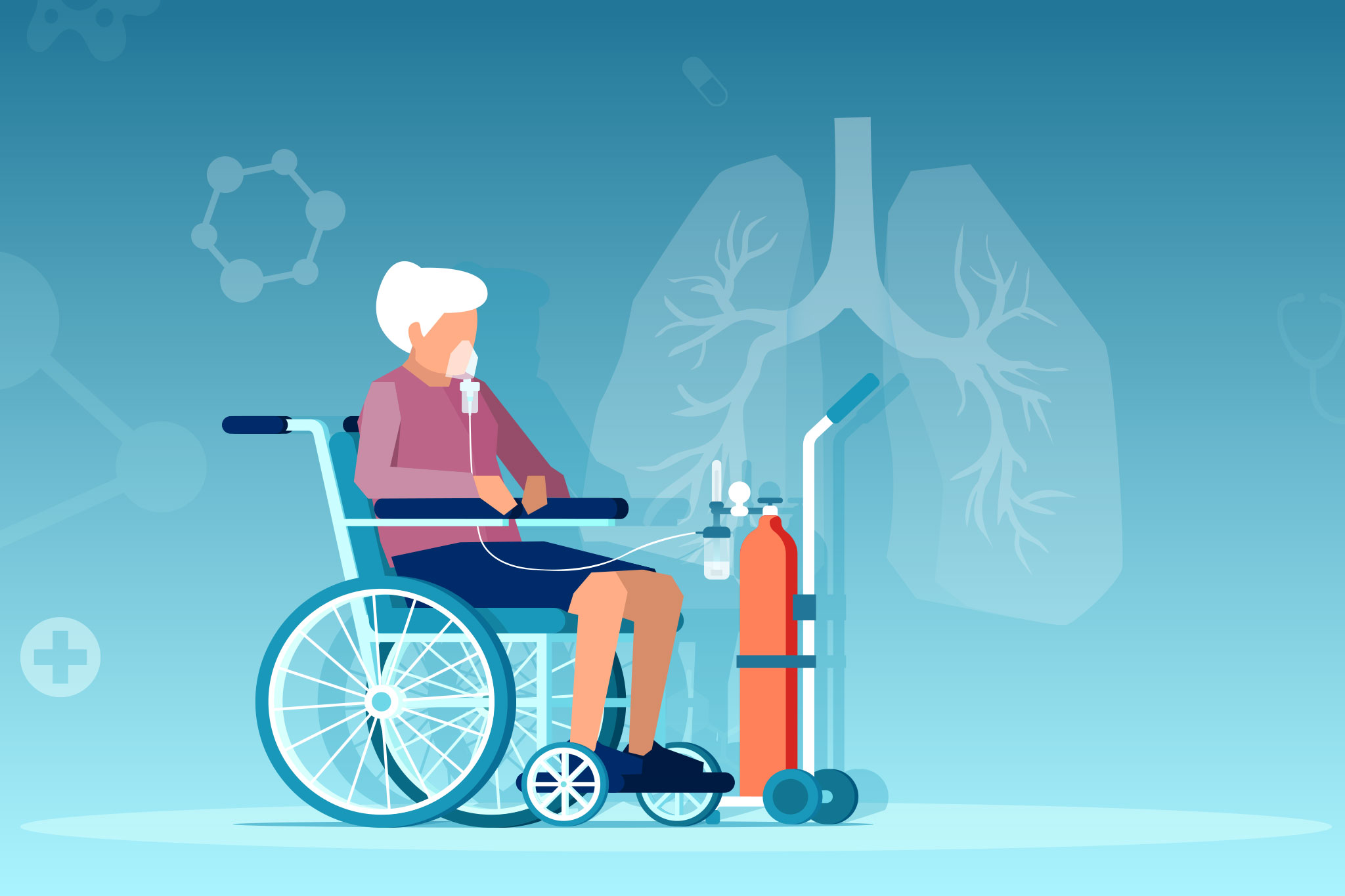
Understanding COPD
What is COPD Disease?
Chronic Obstructive Pulmonary Disease (COPD) is a progressive lung condition characterized by difficulty breathing, often caused by long-term exposure to irritants like cigarette smoke. It encompasses diseases such as chronic bronchitis and emphysema, leading to reduced airflow and respiratory distress.
Symptoms and Diagnosis
Patients with COPD typically experience symptoms like chronic cough, mucus production, and shortness of breath. Diagnosis often involves lung function tests, imaging, and a review of medical history.
Current Treatments and Innovations
Help with COPD Breathing
Managing breathing difficulties is a fundamental aspect of treating Chronic Obstructive Pulmonary Disease (COPD). Effective management not only improves daily functioning but also enhances the overall quality of life for patients. Here are some key strategies:
-
Pulmonary Rehabilitation: This comprehensive program is designed to improve lung function and general well-being. It includes a combination of exercise, education, and support, which together help patients manage their symptoms more effectively. Exercise routines are tailored to individual capabilities, focusing on strengthening the respiratory muscles and increasing overall endurance. Education sessions provide valuable information on disease management, helping patients understand their condition and how to cope with it better. Support groups offer emotional and psychological assistance, fostering a community of individuals who share similar challenges.
-
Breathing Exercises: Techniques such as diaphragmatic breathing and pursed-lip breathing can be particularly beneficial. These exercises help in maximizing air intake and reducing shortness of breath. By practicing these techniques regularly, patients can increase their lung capacity and improve oxygen exchange efficiency.
-
Lifestyle Changes: Adopting a healthy lifestyle is crucial for managing COPD effectively. This includes quitting smoking, as tobacco smoke is a major irritant that exacerbates symptoms. Maintaining a balanced diet, staying hydrated, and avoiding pollutants and irritants can also help in managing the symptoms more effectively.
COPD Medication
Medications are pivotal in controlling COPD symptoms and preventing exacerbations. They work by opening the airways and reducing inflammation, thus facilitating easier breathing:
-
Bronchodilators: These medications are essential for relaxing the muscles around the airways. By doing so, they make breathing easier and help in relieving symptoms such as wheezing and shortness of breath. Short-acting bronchodilators provide quick relief, while long-acting ones are used for ongoing management.
-
Corticosteroids: These anti-inflammatory drugs are used to reduce swelling and inflammation in the airways. They are particularly useful during COPD flare-ups and are often used in conjunction with bronchodilators for maximum effect.
-
Combination Inhalers: These inhalers contain both bronchodilators and corticosteroids, providing a comprehensive approach to managing COPD. They offer the dual benefits of opening the airways and reducing inflammation, making them a preferred choice for many patients.
What is the Number One Inhaler for COPD?
As of 2025, the leading inhaler for COPD is a combination inhaler that effectively balances the benefits of bronchodilation and anti-inflammatory effects. This inhaler has been shown to provide comprehensive symptom relief and improve overall lung function. Its dual-action formula not only helps in managing day-to-day symptoms but also reduces the frequency and severity of exacerbations, making it an integral part of many COPD treatment plans. By using this inhaler, patients can experience a significant improvement in their breathing and quality of life, allowing them to engage more actively in their daily activities.
Common COPD Medications and Their Functions
|
Medication Type
|
Function
|
Examples
|
|
Bronchodilators
|
Relax airway muscles
|
Albuterol, Salmeterol
|
|
Corticosteroids
|
Reduce airway inflammation
|
Prednisone, Budesonide
|
|
Combination Inhalers
|
Provide dual action of bronchodilation and anti-inflammation
|
Advair, Symbicort
|
*Data sourced from the American Thoracic Society (2025)
Exploring Clinical Trials
Paid Trials Nearby and COPD Clinical Trials Near Me
Clinical trials are essential for advancing COPD treatment. They provide opportunities for patients to access new therapies and contribute to medical research. Paid trials not only compensate participants but also offer early access to cutting-edge treatments.
-
Benefits: Early access to new treatments, compensation, and contributing to research.
-
Finding Trials: Patients can find trials through hospital networks, research institutions, and online databases.
Paid COPD Clinical Trials
Participating in paid COPD clinical trials can help patients access innovative treatments. These trials often test new medications, devices, or therapies, providing insights into potential future standards of care.
Innovations in COPD Treatment
Best Treatment for COPD
The best treatment for COPD often involves a combination of medication, lifestyle changes, and possibly surgical interventions. Innovations in 2025 focus on personalized medicine, using genetic and environmental data to tailor treatments to individual patients.
Emerging Therapies
-
Biologics: These are being developed to target specific inflammatory pathways in COPD, offering a new approach to treatment.
-
Gene Therapy: Research into gene therapy aims to address the underlying genetic factors of COPD, potentially offering a long-term solution.
-
Digital Health Tools: Apps and wearables designed to monitor symptoms and adherence to treatment plans are becoming increasingly integrated into COPD management.
Emerging COPD Treatments and Their Potential Impact
|
Treatment Type
|
Description
|
Potential Impact
|
|
Biologics
|
Target specific inflammation pathways
|
Reduced exacerbations and improved lung function
|
|
Gene Therapy
|
Alters genes responsible for COPD
|
Long-term disease modification
|
|
Digital Health Tools
|
Monitors symptoms and treatment adherence
|
Improved patient engagement and outcomes
|
Data sourced from the Global Initiative for Chronic Obstructive Lung Disease (2025)
FAQ
- What lifestyle changes can help manage COPD?
Quitting smoking, eating a healthy diet, and exercising regularly can improve lung function and overall health.
- How can I find COPD clinical trials near me?
Consult with your healthcare provider, research institutions, or use online clinical trial registries.
- Is there a cure for COPD?
Currently, there is no cure, but treatments are available to manage symptoms and improve quality of life.
- What should I consider before joining a clinical trial?
Evaluate the potential risks, benefits, and requirements of participation with your healthcare provider.
- How do digital health tools assist in managing COPD?
They track symptoms, medication adherence, and provide data for personalized treatment adjustments.
As we move into 2025, COPD treatment continues to evolve, embracing innovative therapies and technologies. By staying informed and engaged with the latest developments, patients can better manage their condition and improve their quality of life.