
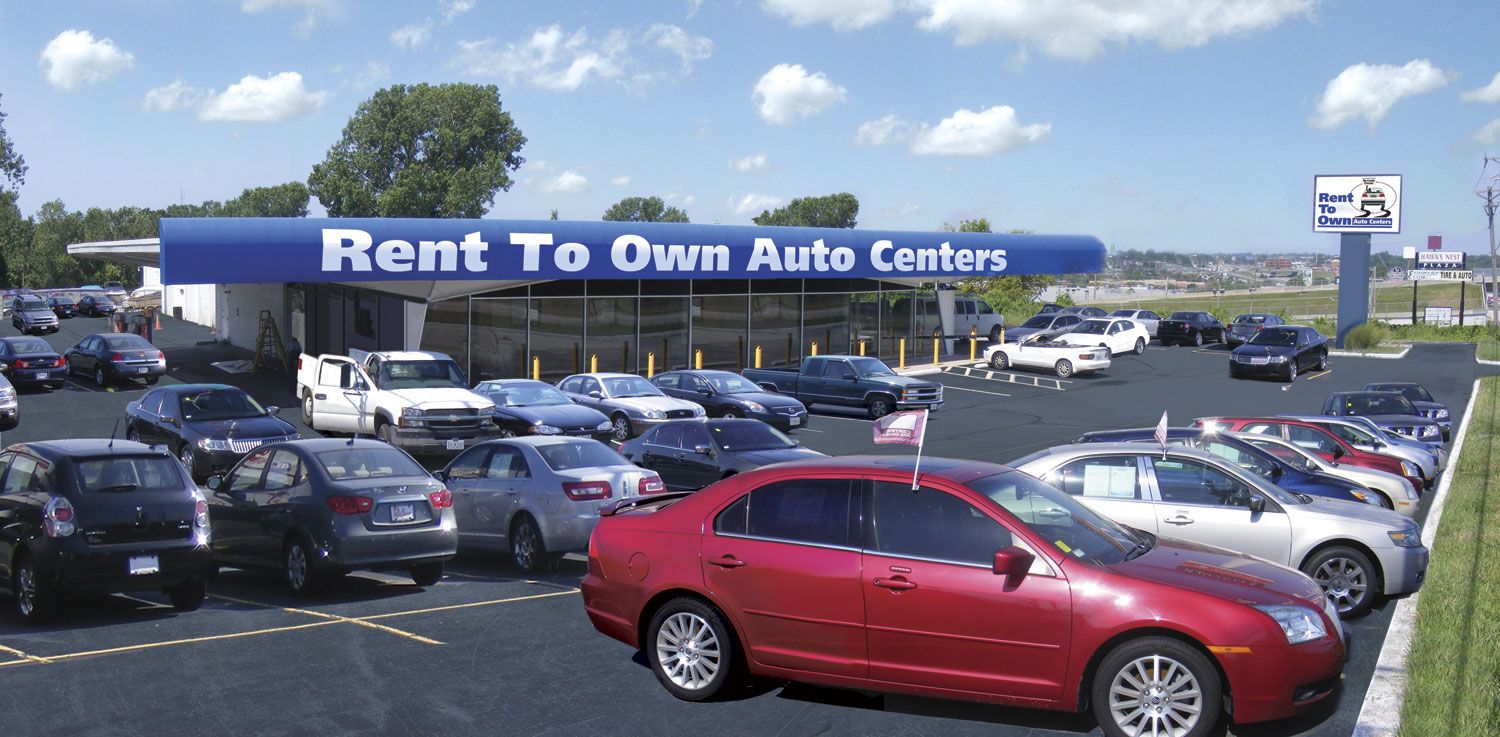
Understanding Rent-to-Own: How it Works
Rent-to-own (RTO) car agreements offer a pathway to vehicle ownership, even if you have less-than-perfect credit or no credit history at all. Unlike traditional car loans, RTO programs don't always require a credit check. Instead, you make regular payments over a set period, and after fulfilling the agreement, you own the car. Sounds simple, right? Let's break it down further.
1. The Basics of Rent-to-Own Car Agreements
At its core, a rent-to-own car agreement is essentially a lease with an option to buy. You're renting the car for a specific term, but each payment contributes towards the final purchase price. These agreements often appeal to individuals who may not qualify for conventional financing due to credit issues or lack of a credit history. The application process is usually less stringent compared to traditional auto loans, making it a more accessible option for some. However, it's essential to understand that the total cost of owning a car through an RTO program is usually significantly higher than if you were to purchase the vehicle outright or finance it with a traditional loan. This difference stems from higher interest rates and fees associated with the program. Always compare the long-term costs with traditional financing options. Consider that while the initial hurdle of a credit check is removed, the overall financial burden can be significantly greater.
2. How Payments and Ownership Work
In a rent-to-own arrangement, you'll typically make weekly or monthly payments. A portion of each payment goes towards the rental fee, while the remainder contributes to the eventual purchase price of the vehicle. The exact amount allocated to each varies depending on the specific agreement. Unlike a standard lease, where you return the car at the end of the term, with rent-to-own, you have the option to take ownership after completing all the required payments. However, it's crucial to carefully review the contract to understand all the terms and conditions. Pay close attention to any clauses about early termination, late payment penalties, or responsibilities for maintenance and repairs. Furthermore, some agreements might include a balloon payment at the end of the term, which is a large, lump-sum payment required to finalize the purchase. Make sure you understand if a balloon payment is part of your agreement and factor that into your financial planning.
The Pros and Cons: Weighing Your Options
Considering a rent-to-own car? It might seem like a good option if you have limited or no credit. But like any financial decision, it's important to understand both the advantages and disadvantages before you sign on the dotted line. Let's delve into the pros and cons of rent-to-own car arrangements to help you make an informed choice.
1. The Upsides: Accessibility and Flexibility
For individuals with less-than-perfect credit or a limited credit history, rent-to-own offers a significant advantage: accessibility. Traditional auto loans often require a solid credit score and a substantial down payment, which can be barriers for many. Rent-to-own programs typically have more lenient requirements, making car ownership attainable for a broader range of people.
Beyond accessibility, these programs can offer flexibility. Some contracts allow you to return the vehicle at any time without penalty, which can be beneficial if your financial situation changes unexpectedly. This flexibility can provide peace of mind, knowing that you're not locked into a long-term commitment. Also, some rent-to-own agreements may offer the opportunity to build credit as your payment history is reported to credit bureaus. Consistent, on-time payments can positively impact your credit score over time, potentially opening doors to more favorable financing options in the future. This is a key benefit, transforming what could be a short-term solution into a long-term financial advantage. However, always confirm if the company reports to credit bureaus before entering into an agreement.
2. The Downsides: Cost and Risk
While rent-to-own arrangements offer some advantages, it's important to be aware of the potential downsides, primarily related to cost and risk. The overall cost of a rent-to-own car is generally significantly higher than purchasing the same vehicle through traditional financing. This is because rent-to-own companies charge higher interest rates and fees to compensate for the increased risk they take by lending to individuals with poor credit. Over the term of the agreement, you could end up paying substantially more than the car's actual market value.
Another significant risk is the possibility of losing the vehicle and all payments made if you default on the agreement. If you miss even a single payment, the rent-to-own company may repossess the car, and you will not be reimbursed for any of the money you've already paid. This is a considerable risk, especially if your financial situation is unstable. Moreover, the value of a vehicle depreciates over time. Some vehicles may depreciate more rapidly than others, meaning that the agreed-upon purchase price in your rent-to-own contract might be higher than the vehicle's actual market value when you're ready to buy it outright. Be sure to research the vehicle's depreciation rate before committing.
Is Rent-to-Own Right for You? A Self-Assessment
Finding the right path to car ownership can feel overwhelming, especially if you're facing credit challenges. Rent-to-own car programs offer an alternative route, but are they the right fit for you? This article delves into the key considerations to help you make an informed decision.
1. Evaluating Your Financial Standing
Before considering a rent-to-own car, honestly assess your current financial health. This means taking a close look at your income, expenses, and overall debt.
- Income Stability: Is your income consistent and reliable? Rent-to-own agreements require regular payments, and missing payments can lead to repossession and further financial strain. Consider whether you have a stable job or income source that can comfortably cover the monthly payments.
- Monthly Budget: Create a detailed budget outlining all your income and expenses. Determine how much you can realistically allocate to a car payment each month without sacrificing other essential needs. Remember to factor in not just the rent-to-own payment, but also the cost of gas, insurance, and potential maintenance.
- Credit Score Consideration: While rent-to-own programs often cater to individuals with poor or no credit, it's crucial to understand why your credit is where it is. Are there underlying financial issues that need to be addressed? Explore options for improving your credit score, as this could open doors to more favorable financing options in the future.
2. Assessing Your Transportation Needs
Think carefully about your reasons for needing a car and how long you plan to own it. This will help you evaluate whether the rent-to-own model aligns with your specific requirements.
- Necessity vs. Convenience: Is a car essential for your job, family, or other crucial aspects of your life? Or is it more of a convenience item? If it's a necessity, explore all available options before committing to rent-to-own.
- Long-Term Ownership Plans: How long do you plan to keep the car? Rent-to-own agreements typically involve higher overall costs compared to traditional financing. If you only need a car for a short period, other options like leasing or short-term rentals might be more cost-effective.
- Vehicle Usage: Consider how you'll be using the car. Will it be for commuting, running errands, or long-distance travel? This will help you determine the type of vehicle you need and whether the rent-to-own options available meet those requirements. Keep in mind that rent-to-own selections can sometimes be limited.
3. Understanding the Rent-to-Own Agreement
Thoroughly understanding the terms and conditions of the rent-to-own agreement is absolutely critical. Don't be afraid to ask questions and seek clarification on anything you don't fully comprehend.
- Total Cost Analysis: Carefully calculate the total cost of the car under the rent-to-own agreement. This includes all payments, fees, and potential penalties. Compare this total cost to the price of purchasing the same car through traditional financing to understand the true cost difference.
- Contractual Obligations: Pay close attention to all contractual obligations, including maintenance responsibilities, insurance requirements, and penalties for late or missed payments. Understand your rights and responsibilities under the agreement.
- Repossession Risks: Be aware of the circumstances under which the car can be repossessed. Understand the consequences of repossession, including potential financial losses and damage to your credit.
Beyond the Dealership: Exploring Alternatives
Many people dream of owning a car, but traditional financing options can be a hurdle, especially if you're building credit or have a less-than-perfect credit history. Fortunately, alternative paths to vehicle ownership are emerging, offering flexibility and accessibility beyond the typical dealership experience. Let's explore one such alternative: rent-to-own car programs.
1. The Appeal of Rent-to-Own
Rent-to-own car programs are gaining popularity because they offer a solution for people who might not qualify for a traditional car loan or lease. Instead of borrowing money from a bank or credit union, you make periodic payments (often weekly or monthly) directly to the rent-to-own company. A portion of each payment goes towards the eventual purchase of the vehicle. This eliminates the need for a credit check in many cases, making car ownership accessible to a wider range of individuals. In an environment where auto loan interest rates are climbing and traditional financing is becoming more difficult to secure, rent-to-own programs offer a valuable alternative. They essentially serve as a financial bridge, allowing people to obtain reliable transportation without the stringent requirements of traditional lending.
2. How Rent-to-Own Works
The typical rent-to-own process involves selecting a vehicle from the program's inventory and agreeing to a payment schedule. Unlike a traditional purchase, you don't own the car outright from the beginning. Instead, you're essentially renting the vehicle for a specified period, with the option to purchase it at the end of the term. The contract will outline the payment amount, frequency, the total cost of the vehicle, and any additional fees or charges. A key advantage is the reduced emphasis on credit history. While some programs may conduct a basic credit check, the requirements are generally far less strict than those of traditional lenders. This makes rent-to-own a viable option for people who are rebuilding their credit or have a limited credit history.
3. Weighing the Pros and Cons
While rent-to-own programs offer accessibility, it's crucial to understand both the advantages and disadvantages. On the plus side, they provide a pathway to car ownership for those who might otherwise be excluded from the market. The flexibility of payment schedules and the lack of stringent credit checks can be particularly appealing. However, it's important to be aware that the total cost of the vehicle under a rent-to-own agreement is often higher than if you were to purchase it outright with a traditional loan. This is because the payments include interest and fees that compensate the rent-to-own company for the risk they are taking. Carefully reviewing the contract terms is essential before committing to a rent-to-own program. Pay close attention to the payment schedule, the total cost of the vehicle, and any potential penalties for late payments or early termination of the agreement.