
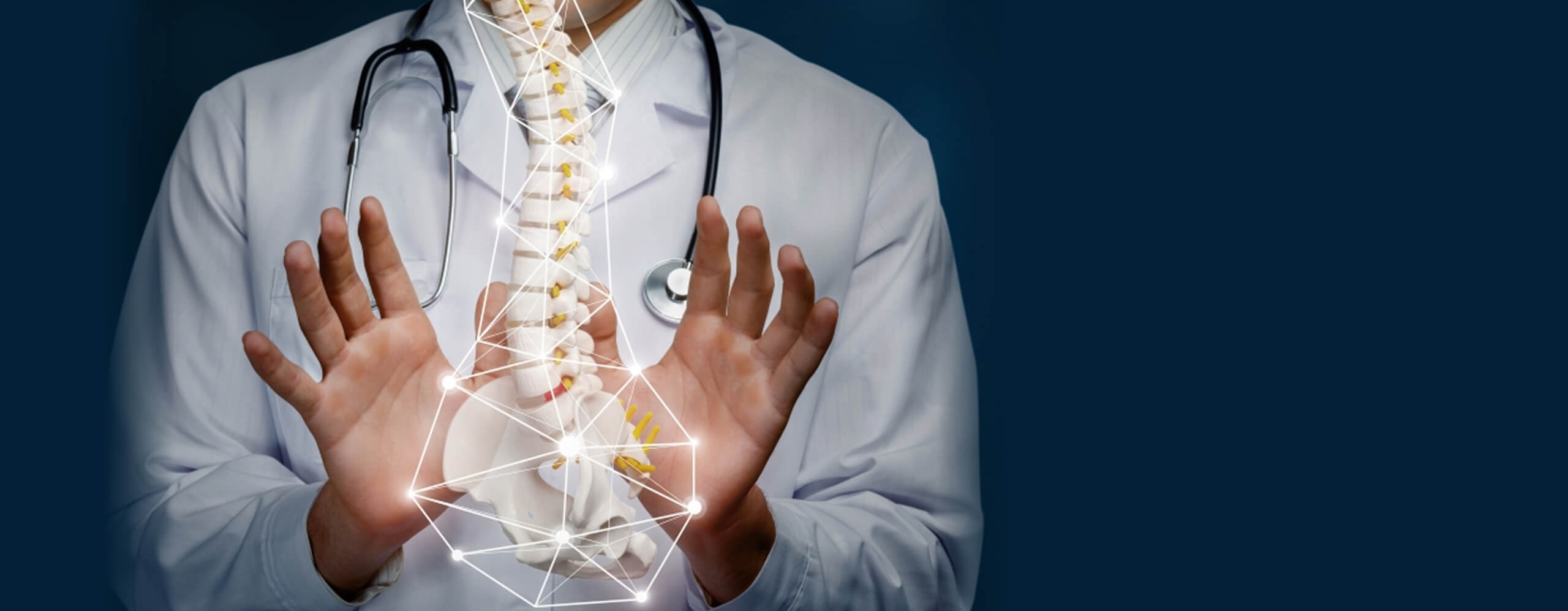
Understanding Spinal Atrophy
Spinal atrophy, often referred to as spinal muscular atrophy (SMA), is a genetic neuromuscular disorder. It is caused by mutations in the survival of motor neuron 1 (SMN1) gene, which leads to a deficiency in the survival motor neuron (SMN) protein. This protein is essential for the survival and function of motor neurons, which are nerve cells that control muscle movement. As a result of the SMN protein deficiency, motor neurons in the spinal cord gradually degenerate and die, leading to muscle weakness and atrophy.
Types of Spinal Atrophy
-
Type 0 (Prenatal SMA): This is the most severe form, diagnosed before birth or shortly after. Infants with Type 0 SMA have extremely limited muscle movement and often face significant respiratory and feeding difficulties. Survival beyond a few months is rare.
-
Type 1 (Infantile SMA): Also known as Werdnig - Hoffmann disease, it is diagnosed within the first six months of life. Babies with Type 1 SMA have trouble controlling their head and neck, sitting up, and crawling. Respiratory problems are common, and without treatment, most children with this type do not survive beyond two years of age.
-
Type 2 (Intermediate SMA): Diagnosis usually occurs between six months and 18 months of age. Children with Type 2 SMA can sit without support but are unable to stand or walk independently. They may experience muscle weakness that progresses over time, affecting their ability to perform daily activities, but with proper care and treatment, they can live into adulthood.
-
Type 3 (Juvenile SMA or Kugelberg - Welander disease): Onset is typically after 18 months of age. Individuals with Type 3 SMA can walk independently at some point in their childhood, but as the disease progresses, they may lose this ability and require assistance with mobility.
-
Type 4 (Adult - Onset SMA): Symptoms usually appear in adulthood, often after the age of 30. Muscle weakness is milder compared to the earlier types, and the progression of the disease is slower. Affected individuals may experience muscle weakness in the limbs, which can impact their ability to perform tasks that require strength and coordination.
Current Treatment Approaches for Spinal Atrophy
Gene Therapies
-
Zolgensma (onasemnogene abeparvovec): This is a one - time gene replacement therapy. It uses a modified virus to deliver a functional copy of the SMN1 gene into the patient's cells. By providing the missing gene, Zolgensma aims to increase the production of the SMN protein. Clinical trials have shown that in infants with Type 1 SMA, Zolgensma can significantly improve motor function, such as the ability to sit, stand, and even walk in some cases. However, it is a costly treatment, with a list price in the hundreds of thousands of dollars.
-
Risdiplam (Evrysdi): A small - molecule drug, risdiplam works by targeting the SMN2 gene. Although the SMN2 gene produces a less functional form of the SMN protein, risdiplam modifies the splicing process of the SMN2 gene's messenger RNA, increasing the production of a more functional SMN protein. It is administered orally, which offers convenience compared to some other treatments. Risdiplam has been shown to improve motor function and survival rates in patients with different types of SMA, from infants to adults.
Antisense Oligonucleotide Therapies
-
Nusinersen (Spinraza): Nusinersen is an antisense oligonucleotide that is injected directly into the spinal fluid in the spine. It works by blocking a specific sequence of RNA that causes the SMN2 gene to produce a non - functional form of the SMN protein. By doing so, it allows the SMN2 gene to produce a more functional SMN protein. Multiple injections are required over time, usually given at regular intervals. Nusinersen has been effective in improving motor function, such as head control, sitting, and walking, in patients with SMA, especially when treatment is started early.
Physical and Occupational Therapies
Physical therapy focuses on maintaining and improving muscle strength, flexibility, and range of motion. Therapists use a variety of techniques, such as stretching exercises, strength - training activities, and the use of assistive devices like braces and walkers. Occupational therapy, on the other hand, helps patients with SMA adapt to their physical limitations and perform daily activities more independently. This may involve teaching new ways to dress, eat, and perform other self - care tasks, as well as providing recommendations for home modifications to improve accessibility.
Respiratory and Nutritional Support
-
Respiratory Support: Since SMA can affect the muscles involved in breathing, respiratory support is crucial. This may include the use of devices such as non - invasive positive - pressure ventilation (NIPPV), which helps keep the airways open and assist with breathing. In more severe cases, invasive ventilation, such as tracheostomy with a ventilator, may be necessary. Regular monitoring of lung function and respiratory status is also an important part of managing SMA.
-
Nutritional Support: Muscle weakness can also impact a patient's ability to eat and swallow. Nutritional support may involve dietary modifications, such as providing high - calorie, high - protein foods to maintain muscle mass and overall health. In some cases, tube feeding may be required to ensure proper nutrition.
Comparing Spinal Atrophy Treatments
|
Treatment Type
|
Mechanism of Action
|
Efficacy
|
Administration
|
Cost
|
Advantages
|
Disadvantages
|
|
Gene Therapy (Zolgensma)
|
Delivers a functional SMN1 gene using a modified virus
|
Significantly improves motor function in infants with Type 1 SMA, high survival rates in treated patients
|
One - time intravenous infusion
|
Approximately $2.1 million
|
One - time treatment, long - term potential for improvement
|
High cost, potential risks associated with gene therapy, limited data on long - term effects
|
|
Small - Molecule Drug (Risdiplam)
|
Modifies the splicing of SMN2 gene mRNA to increase production of functional SMN protein
|
Improves motor function and survival across different SMA types, suitable for all ages
|
Oral administration
|
Around
450,000−
600,000
|
Convenient oral dosing, can be used in a wide range of patients
|
Requires continuous treatment, potential side effects
|
|
Antisense Oligonucleotide (Nusinersen)
|
Blocks RNA sequence to allow SMN2 gene to produce functional SMN protein
|
Effective in improving motor function, especially when started early
|
Multiple intrathecal injections over time
|
Approximately
750,000−
1 million in the first year, decreasing in subsequent years
|
Proven efficacy, established treatment protocol
|
Invasive administration, regular injections required
|
Finding the Right Healthcare Provider
When seeking treatment for spinal atrophy, finding the right doctors and specialists is essential. Specialists such as neurologists with expertise in neuromuscular disorders play a key role in diagnosing SMA accurately and developing treatment plans. Physical therapists, occupational therapists, and respiratory therapists are also integral parts of the care team, providing support and rehabilitation.
To locate qualified healthcare providers, patients and their families can start by asking for referrals from their primary care physicians. Additionally, online resources and patient advocacy groups often maintain directories of doctors and specialists experienced in treating spinal atrophy. When evaluating providers, consider factors such as their experience with SMA patients, the availability of the latest treatment options, and the overall quality of care and support services offered.
FAQ
Q: Can spinal atrophy be cured?
A: Currently, there is no complete cure for spinal atrophy. However, significant progress has been made in developing effective treatments that can improve motor function, increase survival rates, and enhance the quality of life for patients. Gene therapies, antisense oligonucleotide therapies, and small - molecule drugs have shown promising results in clinical trials and are being used to manage the disease.
Q: Who is at risk of developing spinal atrophy?
A: Spinal atrophy is an inherited genetic disorder. It is an autosomal recessive condition, which means that an individual must inherit two copies of the mutated gene (one from each parent) to develop the disease. Parents who carry one copy of the mutated gene are known as carriers. When two carriers have a child, there is a 25% chance that the child will have spinal atrophy, a 50% chance that the child will be a carrier, and a 25% chance that the child will not have the mutated gene at all.
Q: How soon should treatment for spinal atrophy begin?
A: Early treatment is crucial for the best outcomes in spinal atrophy. For infants with Type 1 SMA, starting treatment as soon as possible after diagnosis can significantly improve motor function and increase the chances of survival. In general, the earlier treatment is initiated, the more likely it is to have a positive impact on the progression of the disease and the patient's overall quality of life.