
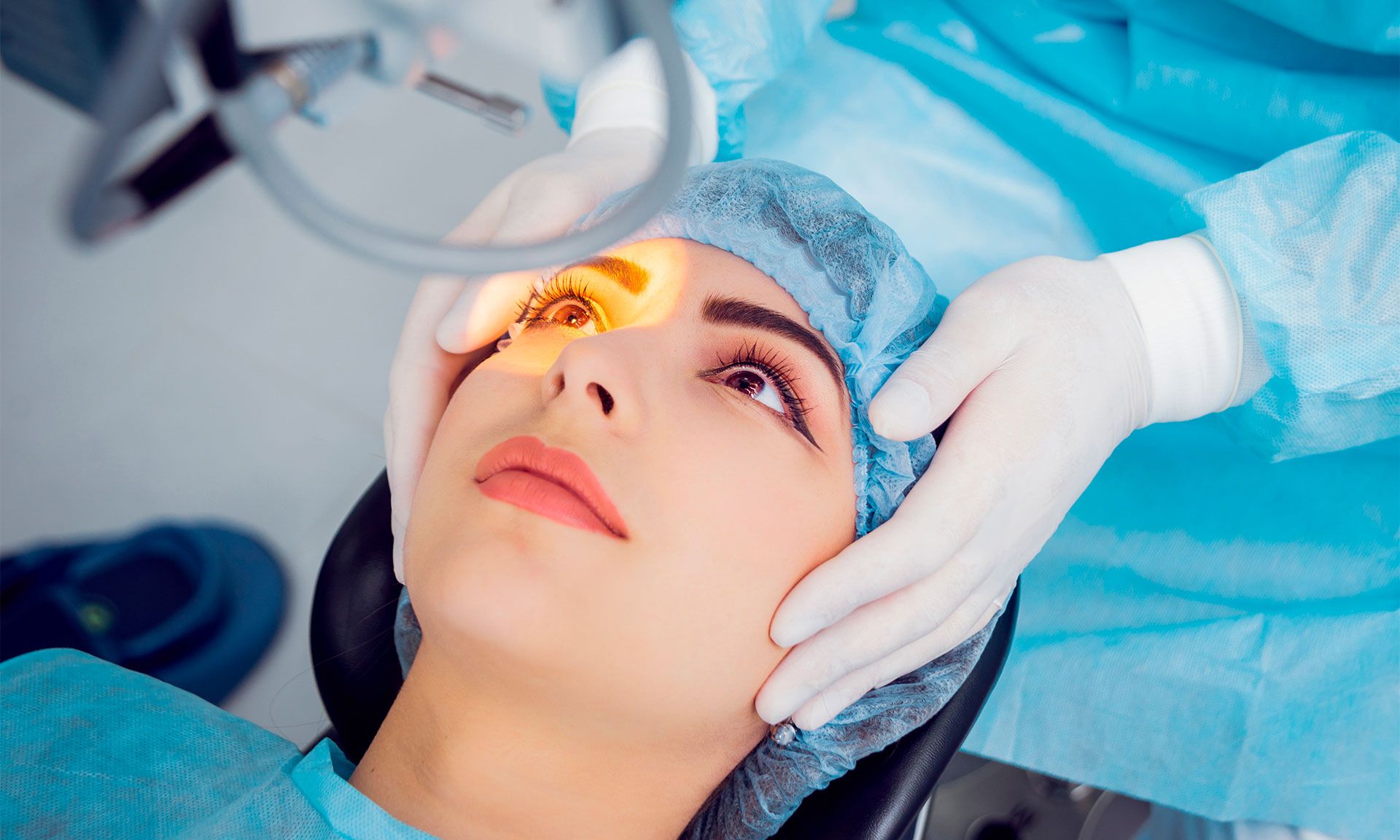
1. What Is LASIK Eye Surgery?
LASIK (Laser-Assisted In Situ Keratomileusis) is a type of refractive eye surgery designed to correct vision problems such as nearsightedness (myopia), farsightedness (hyperopia), and astigmatism. Using advanced laser technology, LASIK reshapes the cornea—the clear, dome-shaped surface of your eye—to properly focus light onto the retina, providing sharper vision.
1.1 How Does LASIK Work?
-
Step 1: Flap Creation The surgeon creates a thin flap in the cornea using a femtosecond laser or microkeratome blade. This flap is lifted to expose the underlying corneal tissue.
-
Step 2: Corneal Reshaping An excimer laser is used to reshape the cornea by removing tiny amounts of tissue, correcting its curvature to improve how light is focused.
-
Step 3: Flap Repositioning The flap is gently placed back into its original position, where it naturally adheres without the need for stitches.
1.2 Conditions LASIK Can Treat
|
Condition
|
Description
|
How LASIK Helps
|
|
Myopia
|
Nearsightedness, difficulty seeing far
|
Reshapes cornea to reduce curvature
|
|
Hyperopia
|
Farsightedness, difficulty seeing near
|
Flattens cornea for better focus
|
|
Astigmatism
|
Blurred vision at all distances
|
Smooths irregular corneal shape
|
2. Benefits of LASIK Eye Surgery
LASIK has become a popular choice for vision correction because of the numerous benefits it offers.
2.1 Enhanced Vision Quality
Most patients achieve 20/20 vision or better after LASIK. This level of clarity significantly improves daily activities like driving, reading, or working.
2.2 Quick Recovery
Unlike traditional surgeries, LASIK has a short recovery period. Many patients notice improved vision within hours, with full recovery in a week.
2.3 Long-Term Results
For the majority of patients, LASIK provides permanent correction, eliminating the need for glasses or contact lenses.
2.4 Convenience
The procedure is quick, lasting about 15 minutes per eye, and requires minimal downtime.
2.5 Freedom from Glasses and Contacts
LASIK liberates individuals from the ongoing expenses and maintenance associated with eyewear.
Comparison Chart: LASIK vs Other Vision Correction Methods
|
Aspect
|
LASIK
|
Glasses
|
Contact Lenses
|
|
Cost Over Time
|
One-time surgical cost
|
Recurring costs for frames
|
Recurring costs for lenses
|
|
Maintenance
|
Minimal
|
Regular cleaning required
|
Daily cleaning and replacement
|
|
Convenience
|
High
|
Medium
|
Low
|
|
Effectiveness
|
Permanent correction
|
Temporary
|
Temporary
|
3. Costs of LASIK Eye Surgery
The cost of LASIK surgery varies depending on factors like location, technology used, and the surgeon’s expertise.
3.1 Average Cost in the UK
The average cost for LASIK eye surgery in the UK ranges from £1,500 to £2,500 per eye.
Factors Affecting Cost
-
Technology Used: The type of LASIK technology significantly impacts the price. Advanced procedures like wavefront-guided or bladeless LASIK use precise lasers for customized treatments, improving accuracy and reducing recovery time, but they come at a higher cost compared to standard LASIK techniques.
-
Surgeon Expertise: Highly experienced surgeons with extensive training and a strong reputation often charge premium fees. Their expertise reduces risks and increases the likelihood of successful outcomes. Clinics with board-certified specialists or those affiliated with top medical institutions may have higher consultation and surgery costs.
-
Location: LASIK prices vary by region, with procedures in large metropolitan areas generally costing more due to higher operational expenses and demand. Smaller cities or rural areas often have lower costs, but patients may have limited access to the latest technology and highly specialized surgeons.
3.2 Cost Comparison by City
|
City
|
Cost (Per Eye)
|
Additional Services
|
|
London
|
£2,000–£2,500
|
Post-op care, advanced diagnostics
|
|
Manchester
|
£1,800–£2,300
|
Follow-up appointments
|
|
Birmingham
|
£1,500–£2,000
|
Complimentary consultations
|
3.3 Financing Options
Many clinics offer financing plans, allowing patients to pay for the procedure in instalments.
4. Competitor Analysis: LASIK vs Other Eye Surgeries
LASIK is not the only option for vision correction. Other procedures like PRK (Photorefractive Keratectomy) and SMILE (Small Incision Lenticule Extraction) are available, each with unique advantages.
4.1 LASIK vs PRK
|
Aspect
|
LASIK
|
PRK
|
|
Recovery Time
|
Faster (1 week)
|
Slower (1–3 weeks)
|
|
Pain Level
|
Minimal
|
Moderate discomfort
|
|
Procedure Steps
|
Flap creation
|
Direct reshaping of cornea
|
|
Ideal Candidates
|
Most vision issues
|
Thin corneas
|
4.2 LASIK vs SMILE
|
Aspect
|
LASIK
|
SMILE
|
|
Incision Size
|
Larger (flap creation)
|
Smaller (keyhole incision)
|
|
Recovery Time
|
Quick
|
Slightly quicker
|
|
Ideal Candidates
|
General vision issues
|
Mild to moderate myopia
|
4.3 Choosing the Right Procedure
Consulting with an eye specialist is essential to determine which surgery best suits your needs.
5. Risks and Side Effects
While LASIK is considered safe, it is not without risks.
5.1 Common Side Effects
-
Dry Eyes: Temporary dryness is common post-surgery.
-
Halos or Glare: Night vision may be affected initially.
-
Flap Complications: Rare issues in flap healing.
5.2 Rare Complications
-
Overcorrection or Undercorrection: Vision may require additional treatment.
-
Infection: Minimal risk with proper post-operative care.
6. Preparing for LASIK Surgery
6.1 Eligibility Criteria
Not everyone is a candidate for LASIK. Key requirements include:
-
Age: Over 18 years old.
-
Stable vision prescription for at least a year.
-
Healthy cornea thickness.
6.2 Pre-Surgery Checklist
-
Avoid wearing contact lenses for 1–2 weeks before the procedure.
-
Arrange transportation as you cannot drive post-surgery.
-
Discuss any medications or health issues with your surgeon.
7. Recovery Process
7.1 Immediate Post-Surgery Care
-
Rest for a few hours after the procedure.
-
Use prescribed eye drops to prevent dryness and infection.
7.2 Long-Term Recovery Tips
-
Avoid strenuous activities for at least a week.
-
Refrain from rubbing your eyes.
-
Attend all follow-up appointments to monitor healing.
8. Frequently Asked Questions (FAQ)
Q: How long does LASIK surgery take?
A: The procedure typically lasts 15 minutes per eye.
Q: Does LASIK hurt?
A: LASIK is virtually painless as numbing drops are used during the procedure.
Q: Can LASIK treat all vision problems?
A: LASIK is effective for most refractive errors but may not be suitable for conditions like severe presbyopia.
Q: How soon can I return to work after LASIK?
A: Most patients can return to work within 1–2 days, depending on their comfort level.
Q: Is LASIK covered by insurance?
A: LASIK is generally considered an elective procedure and is not covered by most insurance plans.
LASIK eye surgery is a transformative procedure that offers freedom from glasses and contact lenses, enhancing quality of life for millions. With advancements in technology and increasing accessibility, LASIK continues to be a leading choice for vision correction. By weighing the benefits, understanding the costs, and consulting with a specialist, you can make an informed decision about whether LASIK is right for you.