
Understanding Solar Power
What is Solar Power?
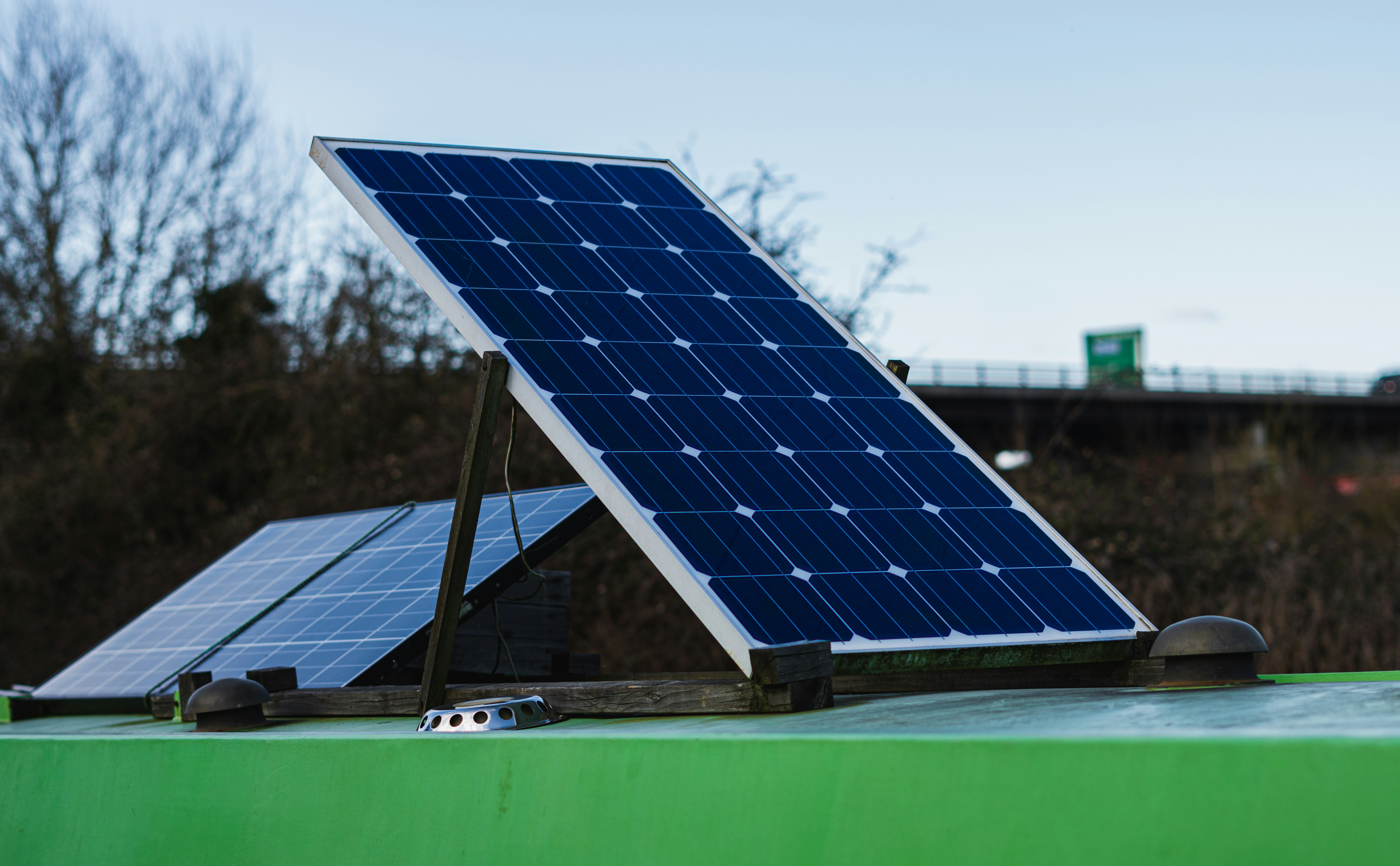
Solar power is the conversion of sunlight into electricity using photovoltaic (PV) cells. These cells capture sunlight and convert it into direct current (DC) electricity, which is then converted into alternating current (AC) by an inverter for household use.
Benefits of Solar Power
-
Cost Savings: Reduced electricity bills.
-
Environmental Impact: Lower carbon footprint.
-
Energy Independence: Less reliance on grid electricity.
-
Property Value: Increased home value due to sustainable features.
Key Components of a Solar System
-
Solar Panels: Capture sunlight and convert it into electricity.
-
Inverter: Converts DC electricity to AC.
-
Mounting System: Secures panels to the roof.
-
Battery Storage: Stores excess energy for later use.
-
Monitoring System: Tracks energy production and consumption.
Choosing the Right Solar System
Types of Solar Panels
-
Monocrystalline Panels: High efficiency, long lifespan, but more expensive.
-
Polycrystalline Panels: Lower cost, slightly less efficient.
-
Thin-Film Panels: Flexible, lower efficiency, but can be cheaper.
|
Type
|
Efficiency
|
Lifespan
|
Cost
|
|
Monocrystalline
|
15-20%
|
25-30 years
|
High
|
|
Polycrystalline
|
13-16%
|
20-25 years
|
Moderate
|
|
Thin-Film
|
10-12%
|
15-20 years
|
Low
|
Source: Energy Saving Trust (https://energysavingtrust.org.uk)
Evaluating Your Home’s Suitability
-
Roof Condition: Ensure it’s in good repair.
-
Orientation and Tilt: South-facing roofs with a 30-45° tilt are ideal.
-
Shading: Minimise shading from trees, buildings, etc.
-
Space Availability: Sufficient roof space for desired panel capacity.
Installation Process
Steps to Install Solar Panels
-
Site Assessment: Evaluate roof suitability and energy needs.
-
Design and Planning: Custom system design and obtaining necessary permits.
-
Installation: Mounting panels, wiring, and connecting the inverter.
-
Inspection and Approval: Ensuring compliance with regulations.
-
Activation: System goes live, start generating electricity.
Financial Considerations
Costs and Savings
-
Initial Cost: Average UK installation costs between £5,000 to £8,000.
-
Official Incentives: Smart Export Guarantee (SEG) payments for excess energy exported to the grid.
-
Payback Period: Typically 6-10 years depending on system size and energy usage.
|
Item
|
Cost Range
|
|
Solar Panels
|
£3,000 - £5,000
|
|
Inverter
|
£500 - £1,500
|
|
Installation Labour
|
£1,000 - £2,000
|
|
Battery Storage (optional)
|
£1,500 - £5,000
|
Source:
Solar Trade Association (https://www.solar-trade.org.uk)
Smart Export Guarantee (https://www.ofgem.gov.uk/environmental-and-social-schemes/smart-export-guarantee-seg)
Maintenance and Longevity
Regular Maintenance
-
Cleaning Panels: Ensure panels are have no dirt and debris.
-
Monitoring System Performance: Use monitoring systems to check efficiency.
-
Professional Inspections: Annual inspections by certified technicians.
FAQs
Q: Do solar panels work in cloudy weather?
A: Yes, solar panels generate electricity even on cloudy days, though at reduced efficiency.
Q: How long do solar panels last?
A: Most solar panels come with a warranty of 25-30 years, and can last even longer with proper maintenance.
Q: What happens during a power cut?
A: Without a battery storage system, your solar panels will not provide electricity during a grid outage for safety reasons.