
Back to Basics: What Are Dental Implants and How Do They Work?
1. What Exactly Is a Dental Implant?
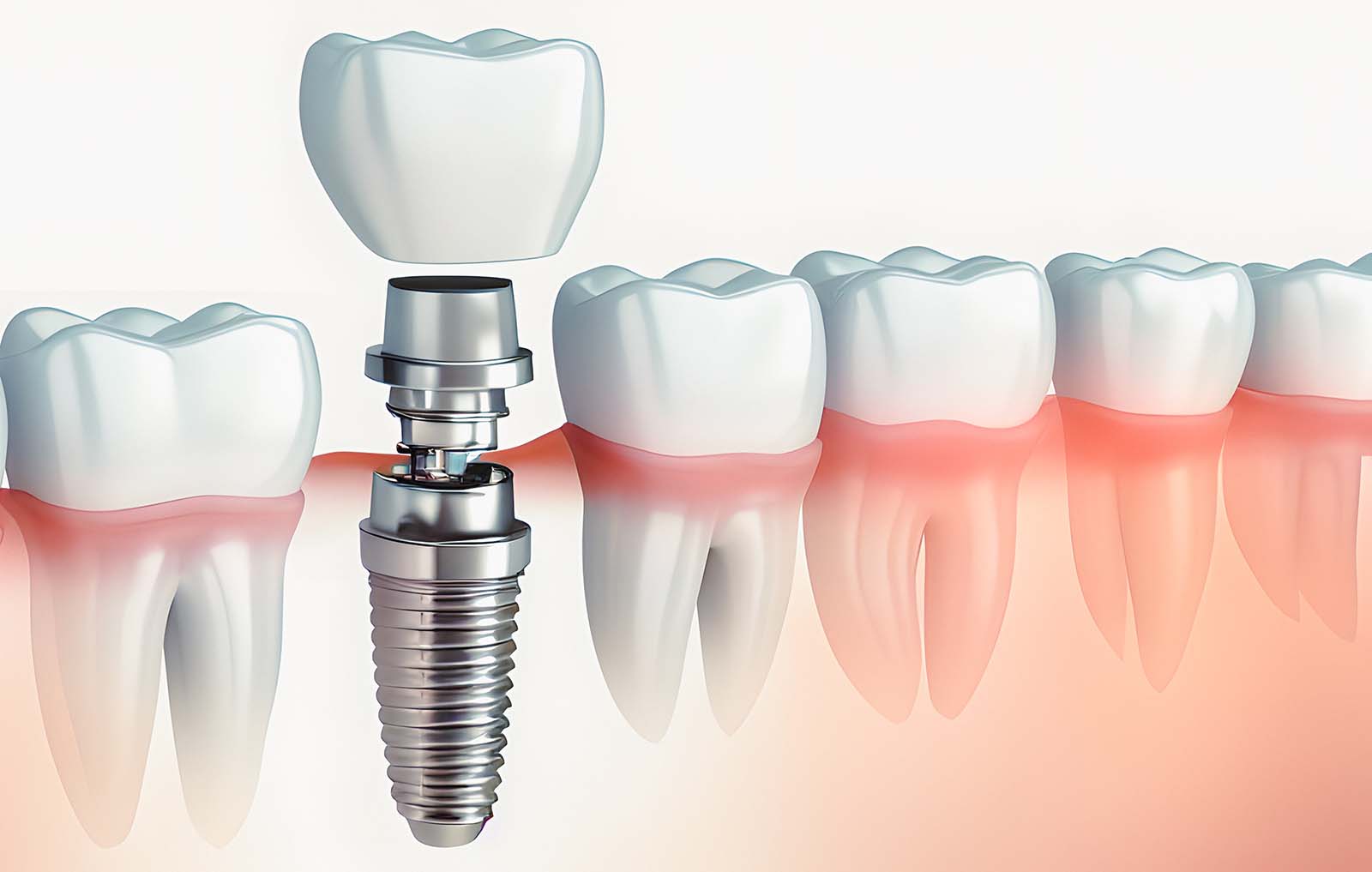
A dental implant is a small, biocompatible post, typically made of titanium, that is surgically inserted into the jawbone where a tooth is missing. This post acts as a substitute for the natural tooth root. Because titanium is biocompatible, it fuses with the jawbone through a process called osseointegration, creating a strong and stable foundation for the replacement tooth.
2. The Crucial Process of Osseointegration
Osseointegration is the key to an implant's success. It is the process where bone cells grow around and fuse directly to the titanium implant's surface. This fusion creates a secure, permanent bond that allows the implant to withstand the forces of chewing and biting. The osseointegration process typically takes three to six months to complete, ensuring the implant is firmly anchored in the jaw.
3. The Three Parts of a Dental Implant
-
The Implant: The titanium post that serves as the artificial root.
-
The Abutment: A connector that attaches to the implant and provides a base for the crown.
-
The Crown: The visible part of the replacement tooth, custom-made to match the shape, size, and color of your natural teeth for a seamless and natural-looking restoration.
Exploring Your Options: Types of Dental Implants and Their Unique Benefits
Dental implants offer a lasting solution for missing teeth, but understanding the different types and their advantages is crucial for making an informed decision. The choice depends on factors like bone density, the location of the missing tooth, and overall oral health.
1. Endosteal Implants
Endosteal implants are the most commonly used type. They are surgically placed directly into the jawbone. Once the bone has fused with the implant (osseointegration), a crown is attached. Endosteal implants are suitable for patients with adequate bone density and are often used for single or multiple tooth replacements. They boast a high success rate, often exceeding 95% over 10 years.
2. Subperiosteal Implants
Subperiosteal implants sit on top of the jawbone but beneath the gum tissue. A metal framework is placed on the bone, with posts that protrude through the gums to hold the artificial teeth. This type is primarily used when a patient lacks the bone height or density to support endosteal implants and may not be a candidate for bone grafting surgery.
3. Zygomatic Implants
From Zirconia to Same-Day Solutions: The Evolving World of Dental Implants
Advancements in dental implant technologies have unveiled innovative solutions that promise both immediate and lasting results, revolutionizing patient care.
1. The Allure of Immediate Results with Same-Day Options
2. Streamlining Procedures with Advanced Technologies
With advancements such as CBCT imaging, dentists can achieve precise implant placement, ensuring both function and aesthetics. This seamless integration of technology into practice enables quick adaptations without compromising quality, reducing time and discomfort during procedures, and simplifying patient workflows.
3. Embracing Innovative Materials for Enhanced Outcomes
Budgeting Your Smile: Understanding the Financing Options Available
Investing in your smile involves strategic financial planning, but with various solutions available, navigating these options becomes more manageable. In the UK, dental implant treatment is predominantly available through private dental care. The National Health Service (NHS) dental coverage for implants is extremely limited. They are not provided to replace teeth lost simply to decay or gum disease. Exceptions might be considered in cases of significant functional impairment due to trauma, oral cancer, or certain congenital conditions, but this is assessed on a strict case-by-case basis. Therefore, the costs and financing options discussed below relate almost exclusively to the private sector.
1. Utilizing Interest-Free Offers
Interest-free plans break the overall cost into manageable monthly payments, easing the financial strain. These plans empower patients to access necessary treatments without delaying due to budget constraints, allowing for improved oral health without immediate financial hardship.
2. Flexible Payment Solutions on the Rise
Dental practices increasingly offer diverse payment solutions, reflecting a commitment to accessibility. By accommodating patient budgetary needs, clinics facilitate timely care and ensure that advanced procedures remain within reach for a wider audience.
3. Discussing Options During Consultations
Early discussions with dental providers can clarify available plans and aid in selecting the most suitable financial strategy. Through transparent dialogue, patients gain clarity and assurance, facilitating a decision-making process that aligns with both health needs and financial realities.
4. Beyond Interest-Free Alternatives
Exploring broader financial arrangements—such as low-interest payment plans or upfront discounts—presents additional pathways to affordability. By evaluating all options, patients craft payment strategies that support comprehensive dental wellness without financial overextension.
The understanding of modern dental solutions, from innovative materials like zirconia to immediate solutions such as same-day implants, paired with flexible financing, underscores a comprehensive approach to dentistry. Navigating these elements ensures patients embrace functionality and aesthetics without overshadowing financial considerations, cementing dental restoration not only as an intervention but an investment in health and well-being.
Q&A
-
What is the average cost of All-On-4 dental implants in the UK?
The cost of All-On-4 dental implants in the UK can vary significantly depending on the clinic and location. On average, you might expect to pay between £10,000 to £15,000 per arch. It is important to consult with several specialists to get detailed quotes and understand what is included in the price, such as consultation fees, surgical costs, and aftercare.
-
Are there dental implants available in the UK with a lifetime warranty?
Yes, some UK private clinics offer lifetime warranties on the dental implant itself (the titanium post). However, it is crucial to understand that these are not unconditional. The warranty typically requires you to maintain an excellent standard of oral hygiene and attend regular check-ups and professional hygiene sessions at the recommending clinic, often every six months. Failure to adhere to these maintenance requirements will likely invalidate the warranty. Always read the terms and conditions carefully and ask your clinician to clarify what is expected of you. -
Can I get same-day dental implants in major UK cities?
Yes, same-day dental implants, also known as immediate-load implants, are available in major UK cities such as London, Manchester, and Birmingham. This procedure allows the placement of the implant and temporary crown in a single day, reducing the number of visits required. However, not all patients are candidates for this procedure, so a thorough evaluation by a specialist is necessary.