
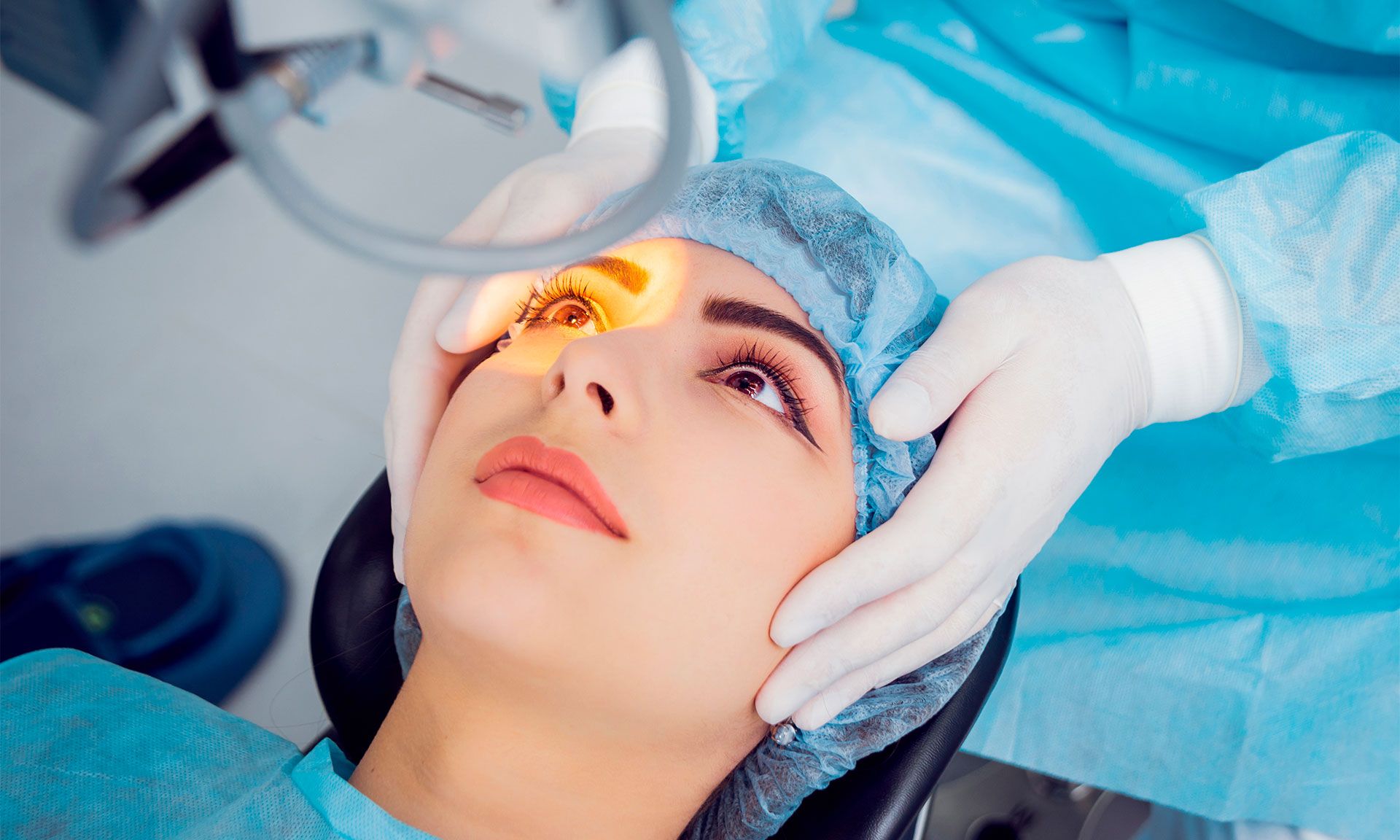
Understanding LASIK Eye Surgery and Its Benefits
LASIK (laser-assisted in situ keratomileusis) is a popular vision correction surgery. It reshapes the cornea to correct refractive errors like nearsightedness, farsightedness, and astigmatism, reducing or eliminating the need for glasses or contacts.
1. What is LASIK?
LASIK involves creating a thin flap in the cornea using a femtosecond laser or microkeratome. The surgeon then uses an excimer laser to precisely reshape the underlying corneal tissue. Finally, the flap is repositioned, acting as a natural bandage. The procedure typically takes less than 30 minutes for both eyes.
2. Benefits of LASIK
LASIK offers several benefits, including improved vision, reduced dependence on glasses or contacts, and enhanced quality of life. Many patients achieve 20/20 vision or better after LASIK. The procedure has a high success rate and a relatively quick recovery time, with most patients experiencing significant vision improvement within a few days.
3. LASIK Candidacy
Not everyone is a suitable candidate for LASIK. Ideal candidates are generally over 18, have stable vision, healthy corneas, and no underlying eye conditions such as severe dry eye or keratoconus. A thorough eye exam and consultation with a qualified LASIK surgeon are essential to determine candidacy.
4. Potential Risks and Side Effects
While LASIK is generally safe, potential risks and side effects include dry eye, glare, halos, and under- or overcorrection. These side effects are usually temporary and can often be managed with medication or further treatment. Serious complications are rare.
5. LASIK Technology Advancements
Advancements in LASIK technology, such as femtosecond lasers and wavefront-guided LASIK, have improved the precision and safety of the procedure. These technologies allow for more customized treatments, reducing the risk of side effects and improving visual outcomes.
| LASIK Technology | Description |
|---|---|
| Femtosecond Laser | Creates precise corneal flaps, enhancing safety and precision. |
| Wavefront-Guided LASIK | Customizes treatment based on individual corneal irregularities. |
Data source: American Academy of Ophthalmology, 2024
Comparing LASIK Eye Surgery Costs Across the UK
LASIK surgery costs in the UK vary significantly. Several factors influence the final price, including the clinic's location, the surgeon's experience, and the technology used.
1. Regional Price Variations
London clinics often have higher prices due to greater overhead and demand. Northern England and Scotland tend to offer more competitive rates. For example, a procedure costing £6,000 in London might be £4,500 elsewhere.
2. Clinic Reputation and Technology
Established clinics with advanced technology, like femtosecond lasers, usually charge more. Newer clinics may offer lower prices to attract customers. Researching clinic reputations and technology is essential.
3. Package Deals and Financing
Many clinics offer package deals that include pre- and post-operative care. Financing options are also common, allowing patients to spread the cost over time. Always compare the total cost, including any hidden fees.
| Region | Average Cost per Eye (£) |
|---|---|
| London | 3,000 - 4,000 |
| South East | 2,700 - 3,700 |
| North West | 2,300 - 3,300 |
| Scotland | 2,200 - 3,200 |
Data Source: Based on 2024 clinic surveys across the UK.
Advancements in Laser Vision Correction Techniques
Laser vision correction has transformed vision care. Ongoing research and technological advancements continue to refine these procedures, enhancing precision and patient outcomes.
1. Femtosecond Lasers in LASIK
Femtosecond lasers create corneal flaps in LASIK surgery. They offer greater precision and control compared to traditional microkeratomes. This technology reduces the risk of flap-related complications and improves visual outcomes.
2. Advanced Surface Ablation Techniques
Surface ablation techniques like PRK and LASEK are evolving. Newer methods minimize corneal disruption and promote faster healing. These techniques are suitable for patients with thinner corneas or those at higher risk of dry eye.
3. SMILE (Small Incision Lenticule Extraction)
SMILE is a minimally invasive procedure. It corrects vision by removing a small lenticule of corneal tissue through a tiny incision. SMILE preserves corneal strength and reduces the incidence of dry eye compared to LASIK.
4. Topography-Guided and Wavefront-Optimized LASIK
These techniques use detailed corneal mapping to customize laser treatments. Topography-guided LASIK addresses corneal irregularities, while wavefront-optimized LASIK preserves the natural shape of the cornea. Both aim to improve visual acuity and reduce higher-order aberrations.
Finding the Best LASIK Clinics in Birmingham, London, and Manchester
Selecting the right LASIK clinic is crucial for a successful vision correction procedure. Factors like technology, surgeon experience, and patient reviews play a significant role.
1. Birmingham LASIK Clinics
Birmingham offers a range of LASIK providers, from established chains to independent practices. Key considerations include the clinic's use of advanced laser technology and the surgeon's qualifications. Patient testimonials can provide insights into the overall experience and outcomes. Comparing consultation fees and available financing options is also recommended.
2. London LASIK Clinics
London boasts numerous reputable LASIK clinics, often featuring state-of-the-art equipment. Researching the surgeons' experience with specific laser platforms is essential. Many clinics offer comprehensive pre-operative assessments. Consider the clinic's location and accessibility, as well as aftercare services.
3. Manchester LASIK Clinics
Manchester's LASIK market includes both established and newer clinics. Checking the clinic's regulatory compliance and accreditation is a good starting point. Look for clinics that offer personalized treatment plans based on individual eye characteristics. Post-operative support and follow-up care should be clearly outlined.
Evaluating Long-term Savings: LASIK vs Contact Lenses
LASIK and contact lenses both correct vision, but their costs differ significantly over time. This section examines the long-term financial implications of each option.
1. Upfront Costs of LASIK
LASIK involves a one-time surgical fee. The average cost in the UK ranges from £1,200 to £3,000 per eye as of 2024. This includes pre-operative exams and post-operative care. Prices vary based on the clinic, technology used, and surgeon's experience.
2. Ongoing Costs of Contact Lenses
Contact lenses require continuous spending. This includes the cost of the lenses themselves, cleaning solutions, and regular eye exams. Daily disposable lenses are more expensive than monthly options. The annual cost can range from £200 to £600 or more, depending on the type and brand.
3. Long-term Financial Comparison
Over ten years, contact lens costs can accumulate significantly. LASIK, despite its higher upfront cost, may prove more economical in the long run by eliminating recurring expenses. A person spending £400 annually on contacts would spend £4,000 over a decade, potentially exceeding the cost of LASIK.
Q&A
Question 1: What is LASIK surgery, and what conditions does it correct?
Answer: LASIK (laser-assisted in situ keratomileusis) is a vision correction surgery that reshapes the cornea to correct refractive errors such as nearsightedness, farsightedness, and astigmatism. This reduces or eliminates the need for glasses or contact lenses. The procedure involves creating a corneal flap, reshaping the underlying tissue with an excimer laser, and then repositioning the flap.
Question 2: What are the key benefits and potential risks associated with LASIK?
Answer: Benefits include improved vision (often 20/20 or better), reduced reliance on glasses or contacts, and an enhanced quality of life. Potential risks and side effects, while generally temporary and manageable, include dry eye, glare, halos, and under- or overcorrection. Serious complications are rare.
Question 3: How much does LASIK surgery cost in the UK, and what factors influence the price?
Answer: LASIK costs vary significantly across the UK. Location (London tends to be more expensive), clinic reputation, technology used (femtosecond lasers increase cost), and surgeon experience all impact the price. Package deals and financing options also influence the overall cost. Prices range from approximately £2,200 to £4,000 per eye, depending on location and other factors.
Question 4: What are some advancements in LASIK technology that improve the procedure's safety and effectiveness?
Answer: Advancements include femtosecond lasers (for precise flap creation), wavefront-guided LASIK (for customized treatment based on individual corneal irregularities), and topography-guided LASIK (addressing corneal irregularities for improved visual acuity). These technologies enhance precision, reduce risks, and improve visual outcomes.
Question 5: How does the long-term cost of LASIK compare to the ongoing cost of contact lenses?
Answer: While LASIK has a higher upfront cost (£1,200-£3,000 per eye), the long-term cost can be significantly lower than the continuous expense of contact lenses (potentially £200-£600 annually). Over ten years, the cumulative cost of contact lenses could exceed the initial LASIK investment, making LASIK a more economical option in the long run, although potential infrequent enhancements for LASIK are not factored into this comparison.
References
- https://laservisioneyecentre.co.uk/laser-eye-surgery/pricing/
- https://paragon-clinic.com/latest-trends-in-laser-vision-eye-correction/
- https://fadi-kherdaji.co.uk/laser-vision-correction/laser-eye-surgery-vs-contact-lenses-cost-comparison/
- https://bluefinvision.com/laser-eye-surgery/lasek/
- https://www.fortunebusinessinsights.com/the-lasik-eye-surgery-market-107757