
1.What Is Cinematography and Why Is It Important?
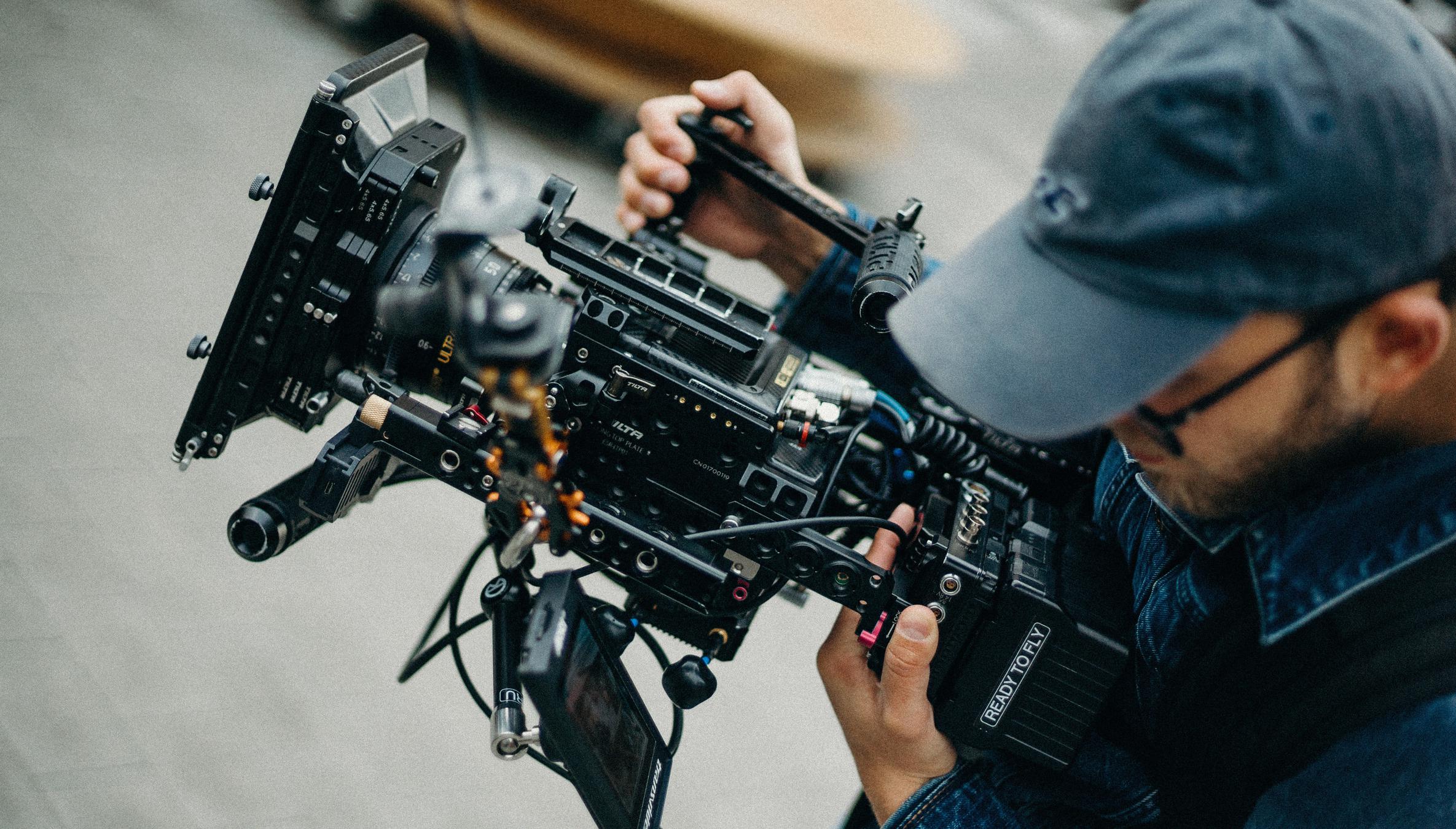
Cinematography is the art and science of capturing moving images for films, television, or video productions. It involves decisions about lighting, camera angles, composition, and movement to convey emotions, set the tone, and enhance storytelling. For professionals in the film industry, understanding cinematography is essential to creating visually compelling narratives that resonate with audiences.
1.1 Key Aspects of Cinematography
-
Lighting: Determines mood, depth, and focus in a scene.
-
Camera Work: Includes framing, angles, and movement to guide the viewer’s perspective.
-
Composition: Balances elements within the frame for aesthetic appeal.
-
Visual Effects: Incorporates special effects and post-production enhancements.
1.2 Why Cinematography Is Essential for Filmmakers and Actors
-
For Filmmakers: Helps directors translate their vision into captivating visuals.
-
For Actors: Enables performers to understand their spatial positioning and how camera angles impact their portrayal.
2. What Do Cinematography Courses Offer?
Cinematography courses provide comprehensive training for individuals interested in the film and media industry. They cover both technical and creative aspects, ensuring students are equipped to handle the challenges of modern filmmaking.
2.1 Core Topics Covered
-
Camera Operations: Learn how to operate professional cameras and understand settings such as aperture, shutter speed, and ISO.
-
Lighting Techniques: Explore natural and artificial lighting setups to create specific moods.
-
Editing Software: Gain proficiency in industry-standard tools like Adobe Premiere Pro and DaVinci Resolve.
-
Storyboarding and Visual Planning: Understand how to plan scenes and sequences for cohesive storytelling.
-
Acting for Cinematography: Develop an understanding of how actors and cinematographers collaborate to enhance scenes.
2.2 Who Can Benefit from These Courses?
-
Aspiring filmmakers, directors, and producers.
-
Actors looking to better understand visual storytelling.
-
Video production professionals aiming to refine their skills.
-
Creatives exploring career opportunities in cinematography companies or production services.
3. Types of Cinematography Courses
Cinematography courses come in various formats and levels of expertise, catering to diverse audiences.
3.1 Short-Term Workshops
-
Ideal for beginners or those looking to explore specific skills like lighting or camera work.
-
Duration: 2–10 days.
-
Cost: £200–£1,000.
3.2 Diploma Courses
-
Provide foundational knowledge for entry-level positions in the film industry.
-
Duration: 6 months–1 year.
-
Cost: £2,000–£5,000.
3.3 Advanced Degrees
-
Include Film Production Masters or specialised programs in cinematography.
-
Duration: 1–2 years.
-
Cost: £10,000–£20,000.
3.4 Online Courses
-
Accessible to students worldwide, offering flexibility to learn at your own pace.
-
Platforms: Udemy, MasterClass, Skillshare.
4. Comparing Cinematography Courses
4.1 Competitive Analysis
|
Institution
|
Course Type
|
Key Features
|
Cost
|
Best For
|
|
London Film Academy
|
Diploma in Cinematography
|
Practical workshops, industry networking
|
£5,000/year
|
Aspiring professionals in the UK
|
|
MetFilm School
|
MA in Cinematography
|
Advanced filmmaking techniques
|
£18,000/year
|
Experienced filmmakers
|
|
Skillshare
|
Online Short Course
|
Flexible modules, affordable pricing
|
£100/month
|
Beginners and hobbyists
|
|
NFTS (National Film and Television School)
|
MA in Film Production
|
Collaboration with industry experts
|
£20,000/year
|
Advanced learners seeking hands-on experience
|
4.2 In-Person vs Online Courses
|
Aspect
|
In-Person Courses
|
Online Courses
|
|
Interaction
|
Face-to-face with instructors
|
Limited interaction via forums
|
|
Flexibility
|
Fixed schedule
|
Learn at your own pace
|
|
Cost
|
Higher due to facilities
|
More affordable
|
|
Networking Opportunities
|
Greater access to industry professionals
|
Limited networking opportunities
|
5. How Cinematography Courses Help Build Careers
5.1 Career Options After Completing a Cinematography Course
-
Cinematographer: Responsible for the visual look of films and TV shows.
-
Director of Photography (DoP): Oversees camera and lighting crews.
-
Video Production Specialist: Works on corporate videos, advertisements, or social media content.
-
Freelance Filmmaker: Offers services to independent projects and small businesses.
-
Actor with Cinematography Skills: Enhances understanding of spatial positioning and camera dynamics for compelling performances.
5.2 How Courses Support Acting Aspirants
-
Audition Preparation: Understand camera framing and lighting to perform effectively during auditions.
-
Building Confidence: Learn how to adapt to different camera setups and angles.
-
Networking Opportunities: Collaborate with filmmakers and cinematographers who can offer roles or recommendations.
5.3 How Courses Support Filmmaking Aspirants
-
Develop technical expertise in high-demand areas like editing and lighting.
-
Build portfolios by working on projects during the course.
-
Gain exposure to industry-standard practices, preparing for roles in cinematography companies.
6. Challenges in Cinematography Courses
6.1 High Costs
Advanced programs like Film Production Masters can be expensive, making affordability a key consideration for students.
6.2 Intense Learning Curve
Mastering both technical and creative aspects requires dedication and time. Beginners may initially find it overwhelming.
6.3 Limited Accessibility
Certain courses are only available in major cities, making it difficult for students in remote areas to participate.
6.4 Competition in the Industry
Breaking into the film and production industry requires persistence, networking, and an exceptional portfolio.
7. Frequently Asked Questions
Q: What qualifications do I need to enrol in a cinematography course?
A: Most beginner courses require no prior experience. Advanced degrees may require a bachelor’s degree or relevant experience.
Q: How much does a cinematography course cost?
A: Costs vary widely, from £100 for online modules to £20,000 for advanced degrees.
Q: Can cinematography courses help me start an acting career?
A: Yes, these courses teach valuable skills such as spatial awareness and understanding camera dynamics, which are crucial for auditions and performances.
Q: Are online cinematography courses effective?
A: Yes, they are ideal for beginners or those looking for flexible learning options, though they may lack hands-on experience.
Q: How long does it take to complete a cinematography course?
A: Courses can last anywhere from a few days (short workshops) to two years (advanced degrees).
Cinematography courses are more than just technical training—they are gateways to careers in film, video production, and acting. Whether you're a beginner exploring creative opportunities or an experienced filmmaker looking to refine your craft, these courses offer the tools and knowledge to succeed. By choosing the right program, you can unlock your potential in visual storytelling, build industry connections, and pave the way for a fulfilling career in the dynamic world of cinematography.