
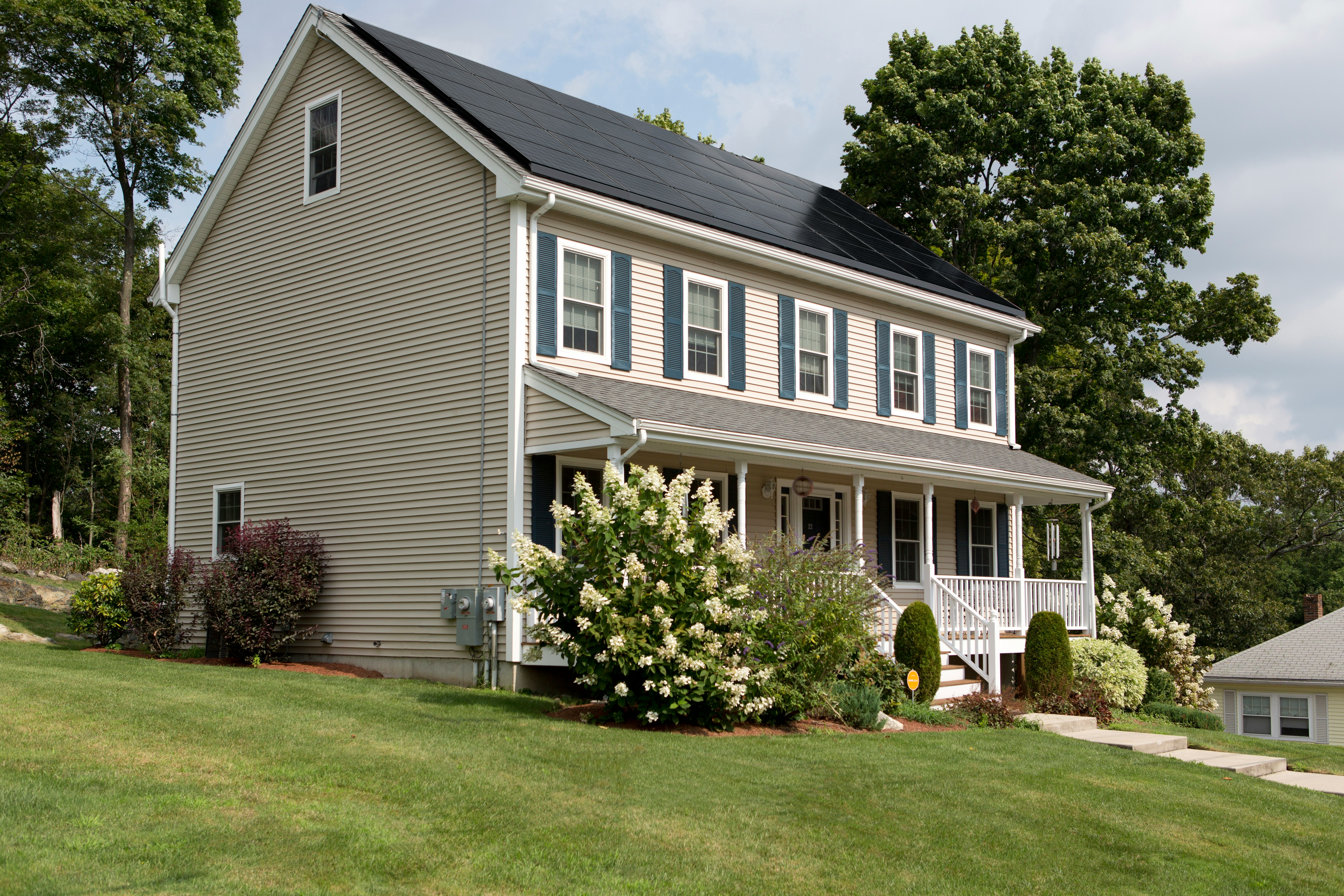
1. Basics of Solar Power
What is Solar Power?
Solar power involves converting sunlight into electricity, either directly using photovoltaic (PV) technology or indirectly using concentrated solar power, or a combination of both.
How Solar Panels Work
Solar panels consist of cells that convert sunlight into direct current (DC) electricity. An inverter then converts this DC into alternating current (AC) electricity, which can be used for household appliances or fed into the grid.
Types of Solar Panels
-
Monocrystalline Panels: Known for high efficiency and sleek design.
-
Polycrystalline Panels: Generally cheaper and slightly less efficient.
-
Thin-Film Panels: Lightweight and flexible, suitable for unique installations.
2. Advantages of Home Solar Systems
Environmental Benefits
Solar energy is a clean, renewable source that reduces carbon footprint and greenhouse gas emissions.
Economic Savings
-
Reduced Energy Bills: Lower monthly electricity costs.
-
Official Incentives: Schemes like the Smart Export Guarantee (SEG).
-
Increased Property Value: Homes with solar installations can see a rise in market value.
Energy Independence
Decrease reliance on the grid and protection against rising energy prices.
3. Assessing Your Home’s Suitability
Roof Orientation and Angle
The ideal orientation is south-facing, with an angle between 30-40 degrees.
Shading and Obstructions
Ensure minimal shading from trees, buildings, or other obstructions throughout the day.
Roof Condition
A sturdy roof with a long remaining lifespan is essential for supporting solar panels.
Space Availability
Adequate roof space is needed for the desired number of panels.
4. Costs and Financing Options
Installation Costs
Initial costs vary depending on the system size and type of panels. Average costs range from £4,000 to £6,000 for a typical 4kW system.
Maintenance Costs
Minimal maintenance required, primarily periodic cleaning and occasional checks by a professional.
Financing Options
-
Upfront Purchase: Full payment at the time of installation.
-
Solar Loans: Loans specifically designed for solar investments.
-
Power Purchase Agreements (PPAs): Third-party ownership where you pay for the energy produced.
5. Choosing a Solar Installer
Research and Reviews
Look for MCS-certified installers with positive customer reviews.
Quotes and Comparisons
Obtain multiple quotes to compare prices and services offered.
Warranty and Support
Ensure a comprehensive warranty and reliable after-sales support.
Local and National Incentives
Explore available local council grants or national incentives that could reduce costs.
6. Maximising Your Solar Investment
Energy Storage Solutions
Battery storage systems should be considered to store excess energy for later use.
Smart Home Integration
Integrate with smart home systems to optimize energy usage.
Monitoring Systems
Use monitoring tools to track energy production and consumption in real-time.
7. Portable Solar Systems
What are Portable Solar Systems?
Portable solar systems are small, mobile solar power devices typically consisting of solar panels, an inverter, and batteries. They are suitable for camping, travel, or as an emergency backup power source.
Benefits of Portable Systems
-
Flexibility and Portability: Can be used anywhere.
-
No Installation Required: No complex installation process.
-
Versatility: Suitable for various uses, such as charging small devices or providing emergency power.
Choosing a Portable System
When selecting a portable solar system, consider the following factors:
-
Power Output: Determine the required power to meet your device needs.
-
Battery Capacity: Choose based on the expected usage duration.
-
Weight and Size: Select a system that is easy to carry.
8. Solar Grants and Incentives
Smart Export Guarantee (SEG)
The Smart Export Guarantee (SEG) is an official scheme that allows small-scale solar generators to export excess electricity back to the grid and receive payments. Participating in this scheme can provide additional income and improve the return on investment for your solar system.
Renewable Energy Certificates (RECs)
Renewable Energy Certificates (RECs) are a market mechanism designed to promote the production of renewable energy. Homeowners with solar systems can earn additional income by selling RECs.
Available Resources and Tools
The following websites provide detailed information about solar grants and incentives:
- https://www.ofgem.gov.uk/environmental-and-social-schemes/smart-export-guarantee-seg
- https://www.ofgem.gov.uk/environmental-and-social-schemes/renewable-energy-guarantees-origin-rego
- https://energysavingtrust.org.uk/
9. Common Myths and Misconceptions
Myth 1: Solar Panels Don’t Work in Cloudy Weather
Solar panels can still generate electricity on cloudy days, although at reduced efficiency.
Myth 2: Solar Panels Require Constant Maintenance
Modern solar panels require minimal maintenance.
Myth 3: Solar Panels Are Too Expensive
With decreasing costs and various financing options, solar panels are becoming more affordable.
Q&A
Q1: How long do solar panels last?
A: Most solar panels come with a warranty of 25 years and can continue to function for many years beyond that with minimal efficiency loss.
Q2: Do I need planning permission for solar panels?
A: In most cases, solar panel installations on domestic properties do not require planning permission, but it's best to check with your local council.
Q3: What happens to excess energy generated?
A: Excess energy can be exported back to the grid under the Smart Export Guarantee (SEG) scheme, where you receive payments for the energy you export.