
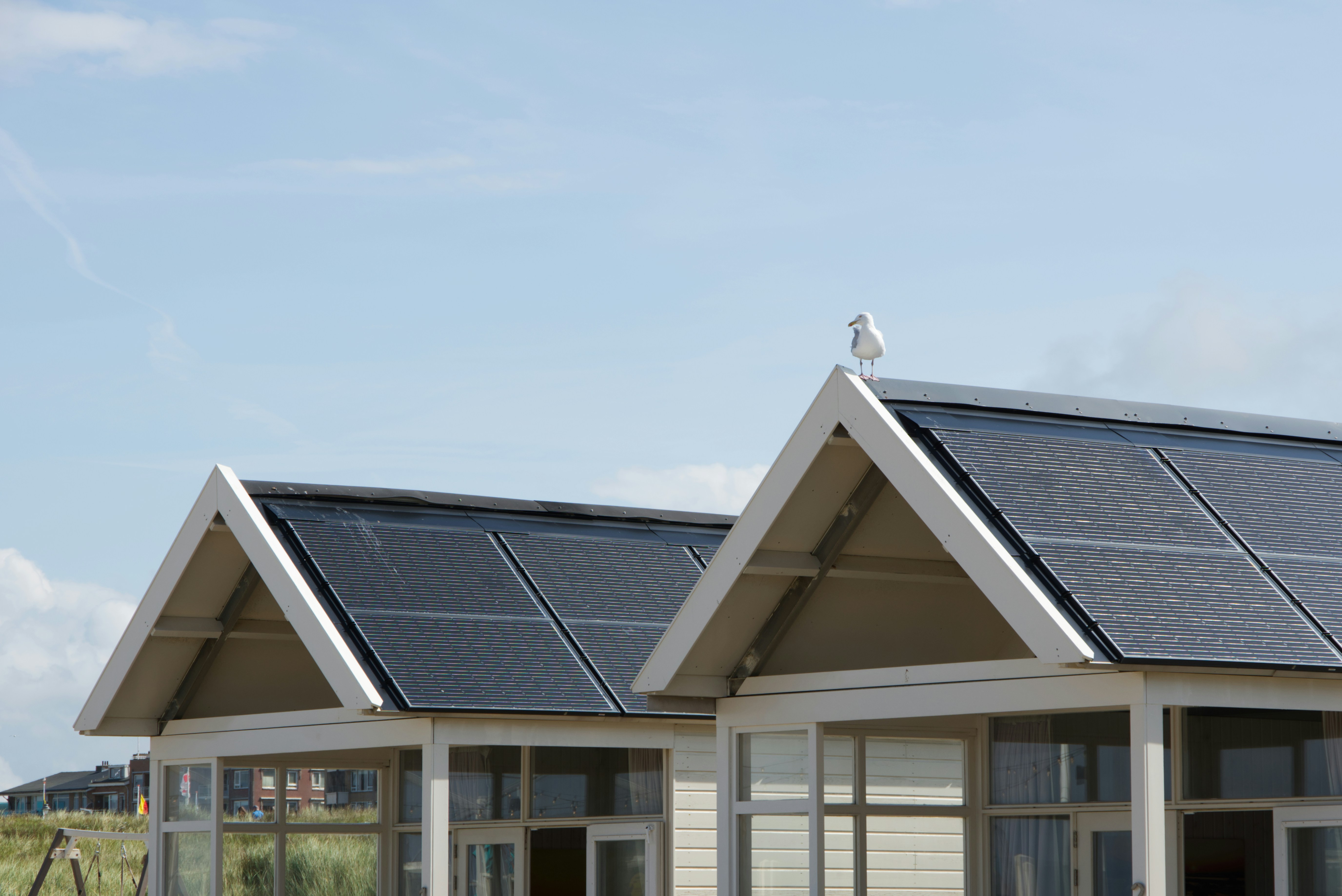
Benefits of Home Solar Systems
-
Cost Savings: Solar energy can significantly reduce your electricity bills.
-
Environmental Impact: Solar power reduces carbon footprint and reliance on fossil fuels.
-
Energy Independence: Generate your own electricity and become less dependent on the grid.
-
Property Value: Homes with solar systems may see an increase in property value.
Components of a Solar Power System
-
Solar Panels: Convert sunlight into electricity.
-
Inverter: Converts DC electricity from the panels into AC electricity for home use.
-
Mounting System: Secures the panels to your roof.
-
Battery Storage: Stores excess energy for use when sunlight is not available.
-
Monitoring System: Tracks the performance and efficiency of the solar system.
Types of Solar Panels
There are mainly three types of solar panels available:
-
Monocrystalline Panels: High efficiency and long lifespan.
-
Polycrystalline Panels: Slightly less efficient but more affordable.
-
Thin-Film Panels: Flexible and lightweight, suitable for unconventional surfaces.
Installation Process
-
Site Assessment: A professional will evaluate your roof's suitability, including orientation, shading, and structural integrity.
-
System Design: Tailored to your energy needs and roof characteristics.
-
Permitting: Acquiring necessary permissions from local authorities.
-
Installation: Typically takes 1-3 days, depending on the system size.
-
Inspection and Commissioning: Ensures the system is properly installed and functioning.
Financial Considerations
Cost Breakdown
|
Component
|
Average Cost (£)
|
|
Solar Panels
|
4,000 - 8,000
|
|
Inverter
|
1,000 - 2,000
|
|
Battery Storage
|
2,000 - 6,000
|
|
Installation
|
2,000 - 5,000
|
|
Total
|
9,000 - 21,000
|
Source: Energy Saving Trust
Savings and Payback Period
The savings and payback period of a solar system depend on various factors such as system size, energy consumption, and local electricity rates. On average, a solar system in the UK can save you £200 - £300 annually on electricity bills, leading to a payback period of 10-15 years.
Portable Solar and Solar Generators
In addition to traditional home solar systems, many readers might be interested in portable solar solutions and solar generators. These devices offer greater flexibility and mobility, suitable for travel, camping, or emergency situations.
Portable Solar
Portable solar systems consist of lightweight solar panels and batteries, making them easy to carry and install. These systems are typically used to power small devices such as phones, tablets, and laptops. Their advantages include:
-
Portability: Lightweight and easy to carry, ideal for outdoor activities.
-
Versatility: Can be used for various devices, offering high flexibility.
-
Easy Installation: No professional installation required, user-friendly setup.
Solar Generators
Solar generators are part of portable solar systems and usually include a built-in battery, inverter, and multiple charging ports. These devices can store solar energy and provide power when needed, suitable for power outages, outdoor activities, or remote areas. Key features include:
-
Energy Storage: Built-in batteries store solar energy for future use.
-
Multi-port Design: Equipped with various charging ports to meet different device needs.
-
Eco-friendly and Quiet: No fuel consumption, no noise pollution.
Example Applications for Portable Solar and Solar Generators
-
Camping and Travel: Provide power for various electronic devices, ensuring you stay connected and powered up during outdoor activities.
-
Emergency Situations: Offer backup power during blackouts or natural disasters, supporting basic living needs.
-
Remote Work: Supply reliable power in areas without grid coverage
Maintenance and Lifespan
Solar systems require minimal maintenance. Regular cleaning and annual inspections ensure optimal performance. Solar panels typically have a lifespan of 25-30 years, with inverters lasting 10-15 years.
Frequently Asked Questions (Q&A)
Q: How much sunlight do I need for solar panels to be effective?
A: Solar panels can generate electricity even on cloudy days, although their efficiency is higher with more sunlight. The UK receives adequate sunlight for solar power systems to be effective.
Q: Can I install solar panels myself?
A: While it is possible to install solar panels yourself, it is highly recommended to use a certified professional to ensure safety, proper installation, and warranty protection.
Q: What happens during a power outage?
A: If your solar system includes battery storage, you can use stored energy during a power outage. Without batteries, the system will shut down to prevent backfeeding into the grid, ensuring the safety of repair workers.
Q: Do solar panels work in the winter?
A: Yes, solar panels work in winter. They can be more efficient in colder temperatures, but shorter days and lower sunlight can reduce the overall energy production.