
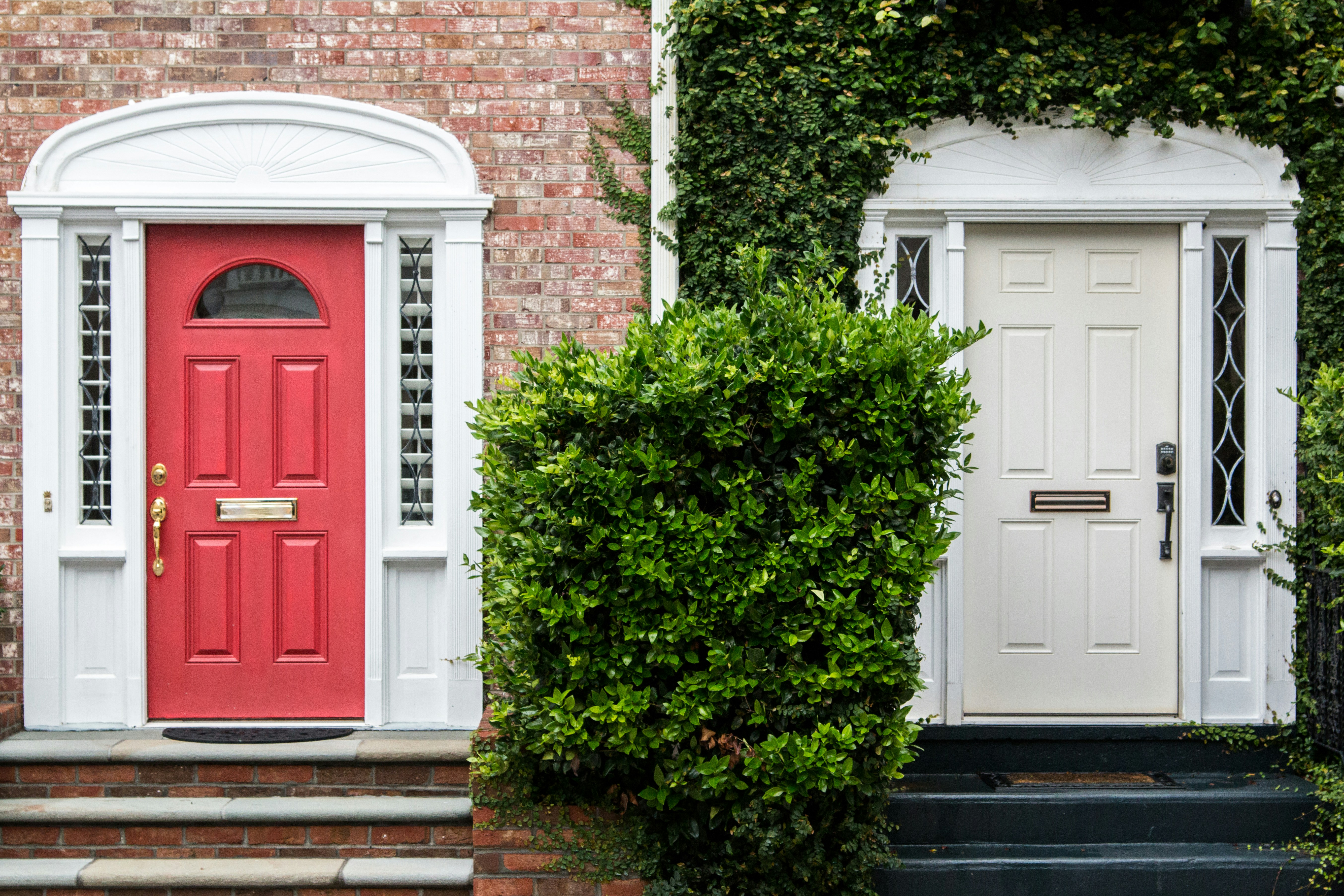
Why Replace Your Door?
There are several reasons why you might consider replacing a door:
-
Security: Older doors may not provide adequate security against break-ins.
-
Energy Efficiency: Modern doors offer better insulation, reducing heating costs.
-
Aesthetics: A new door can enhance the appearance of your home.
-
Functionality: Damaged or warped doors can be difficult to open and close.
Types of Doors
When choosing a new door, consider the following types:
External Doors
-
Front Doors: The primary entrance to your home, setting the tone for your house’s exterior.
-
Back Doors: Often leading to gardens or backyards, these need to be both secure and weather-resistant.
-
Patio Doors: Usually sliding or French doors, providing access to outdoor spaces and allowing natural light.
-
Garage Doors: Including sectional, roller, side-hinged, and up-and-over types, these are crucial for securing your vehicle and belongings.
Internal Doors
-
Panel Doors: Classic design, available in various styles and materials.
-
Flush Doors: Smooth and flat, often used for modern interiors.
-
Bi-fold Doors: Ideal for saving space in smaller rooms.
-
Glass Doors: Used for creating a sense of openness and allowing natural light to pass through. Often used in offices and modern interiors.
-
French Doors: Typically double doors with glass panels, used both internally and externally to provide an elegant transition between spaces.
-
Barn Doors: Sliding doors with a rustic appearance, popular in both traditional and modern homes.
-
Cottage Doors: Often feature a rustic or traditional design, suitable for country-style homes.
Materials
Different materials offer unique benefits. Here’s a comparison:
|
Material
|
Benefits
|
Drawbacks
|
|
Wood
|
Traditional, aesthetically pleasing
|
Requires maintenance, can warp or rot
|
|
UPVC
|
Low maintenance, good insulation
|
Limited styles and colours
|
|
Composite
|
High security, energy-efficient, low maintenance
|
Higher cost
|
|
Aluminium
|
Durable, modern look
|
Can be expensive, less insulative
|
|
Steel
|
Highly secure, durable
|
Prone to rust, can be heavy
|
|
Glass
|
Aesthetic appeal, allows natural light
|
Requires cleaning, can be less private
|
Measuring for a New Door
Accurate measurements are crucial for a proper fit. Follow these steps:
-
Width: Measure across the top, middle, and bottom of the doorway, using the narrowest measurement.
-
Height: Measure from the floor to the top of the doorway on both sides, using the shorter measurement.
-
Depth: Measure the thickness of the existing door.
Installation
While hiring a professional is advisable for complex installations, you can install a door yourself with the right tools and patience. Here’s a simplified process:
-
Remove the Old Door: Unscrew the hinges and carefully remove the door.
-
Prepare the Frame: Ensure the frame is level and no debris.
-
Install the Hinges: Attach hinges to the new door.
-
Hang the Door: Align the hinges and screw them into the frame.
-
Check the Fit: Ensure the door opens and closes smoothly.
-
Seal and Finish: Apply weatherstripping and paint or stain if necessary.
Cost Considerations
The cost of replacing a door varies based on material, style, and installation. Here’s an approximate cost breakdown:
|
Door Type
|
Material
|
Average Cost (Including Installation)
|
|
Front Door
|
Composite
|
£500 - £2000
|
|
Back Door
|
UPVC
|
£300 - £800
|
|
Patio Door
|
Aluminium
|
£700 - £2500
|
|
Internal Door
|
Wood
|
£50 - £200
|
|
Garage Door
|
Steel
|
£400 - £1200
|
|
Glass Door
|
Glass/Aluminium
|
£400 - £1500
|
|
French Doors
|
Wood/UPVC
|
£600 - £1800
|
|
Barn Doors
|
Wood/Metal
|
£300 - £1000
|
|
Cottage Doors
|
Wood
|
£200 - £600
|
Maintenance Tips
Proper maintenance extends the lifespan of your doors:
-
Regular Cleaning: Wipe down doors with a damp cloth and mild detergent.
-
Inspect Seals and Weatherstripping: Replace any damaged seals to maintain insulation.
-
Repaint or Stain: Wooden doors may need periodic painting or staining to protect against the elements.
-
Lubricate Hinges: Apply lubricant to hinges to prevent squeaking and ensure smooth operation.
-
Check Garage Door Mechanisms: Ensure springs, cables, and rollers are in good condition for safe operation.
Common Issues and Solutions
-
Drafts: Ensure weatherstripping is intact and consider adding a door sweep.
-
Sticking Door: Check for warped wood and ensure the frame is level.
-
Lock Issues: Regularly check and maintain the locking mechanism for security.
-
Garage Door Not Closing Properly: Check the alignment of the sensors and ensure there are no obstructions.
-
Glass Door Visibility: Ensure proper cleaning to maintain transparency and aesthetics.
Environmental Considerations
When replacing a door, consider its environmental impact:
-
Energy Efficiency: Opt for doors with high energy ratings.
-
Sustainable Materials: Choose materials from sustainable sources or recycled content.
-
Disposal: Properly recycle or dispose of the old door to minimise waste.
Q&A
Q: How long does it take to replace a door?
A: It typically takes a few hours for a standard door replacement. Complex installations, such as patio or garage doors, may take longer.
Q: Do I need planning permission to replace my door?
A: Generally, no planning permission is needed for replacing a door. However, if your home is a listed building or in a conservation area, you may need permission.
Q: What are the most secure types of doors?
A: Composite and aluminium doors are often considered the most secure due to their robust construction and advanced locking mechanisms. For garage doors, steel is typically the most secure option.
Q: How can I improve the insulation of my door?
A: Choose doors with good energy ratings, and ensure proper installation with adequate weatherstripping and insulation.
Q: Can I paint a UPVC door?
A: Yes, UPVC doors can be painted, but it requires proper preparation and paint designed for UPVC surfaces.
Q: How do I maintain my garage door?
A: Regularly inspect the door mechanisms, lubricate moving parts, and ensure the door balance is correct. Replace any worn or damaged components promptly.
Q: Are glass doors secure?
A: Glass doors can be secure if made with toughened or laminated glass and equipped with good quality locks. They are often used as patio doors or in modern interiors to enhance natural lighting.