
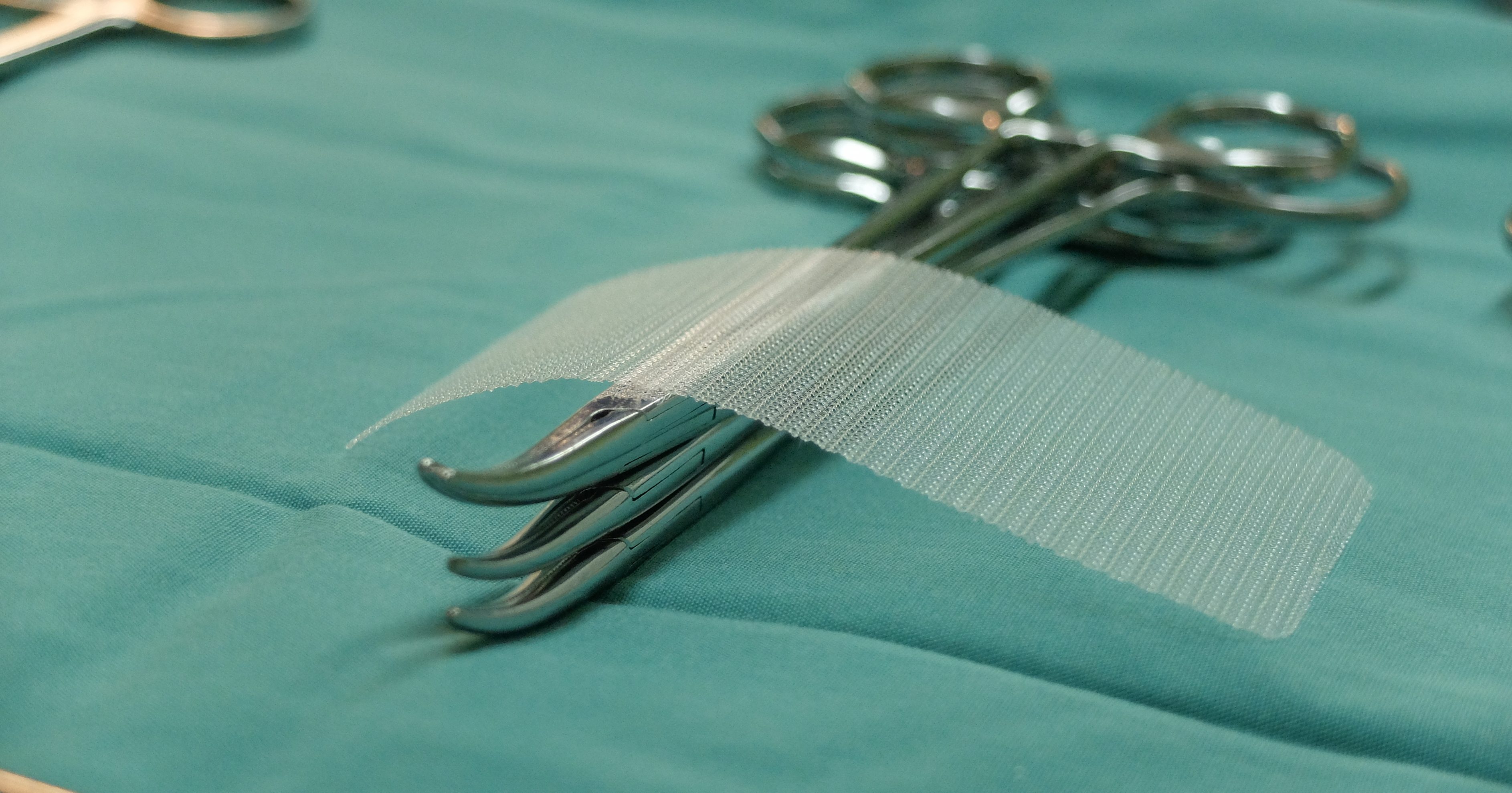
Understanding the Medical Consequences of Defective Mesh Implants
Defective surgical mesh can result in a range of medical issues, significantly impacting a person's quality of life. These complications can arise from various factors, including the material used, the design of the mesh, or surgical implantation techniques. Recognizing these potential consequences is the first step towards understanding the complexities of surgical mesh claims.
1. Common Complications Associated with Defective Mesh
Several complications are commonly associated with defective surgical mesh implants. These can vary in severity and may require further medical intervention. Erosion is a frequent problem, where the mesh wears away or degrades, potentially damaging surrounding tissues and organs. This can cause pain, infection, and even organ perforation. Another concern is mesh migration, where the mesh shifts from its original placement. This can lead to a recurrence of the original condition, such as a hernia, or cause new problems as the mesh impinges on nearby structures.
Infection is also a significant risk, as the mesh material can provide a breeding ground for bacteria. These infections can be difficult to treat and may necessitate long-term antibiotic therapy or even surgical removal of the mesh. Pain, both chronic and acute, is a very common complaint among those who have received defective mesh implants. This pain can be debilitating and impact daily activities. Finally, bowel obstruction can occur when the mesh adheres to the intestines, causing a blockage that prevents the normal passage of food and waste. This is a serious complication that requires immediate medical attention.
2. Long-Term Health Implications
The consequences of defective mesh implants can extend far beyond the initial complications, leading to long-term health problems that can significantly impact a person's well-being. Chronic pain is a particularly persistent issue, often requiring ongoing pain management strategies. This can include medication, physical therapy, and nerve blocks, none of which necessarily provide a permanent solution. Recurrent infections are also a concern, as the mesh material can harbor bacteria even after initial treatment. These recurrent infections can lead to further tissue damage and may require repeated courses of antibiotics.
Organ damage is another potential long-term consequence, particularly if the mesh has eroded or migrated. This damage can affect the bladder, bowel, or other nearby organs, leading to a variety of health problems. In some cases, the mesh may need to be surgically removed, which can be a complex and risky procedure. Even after removal, some symptoms may persist, leaving individuals with ongoing health issues. The psychological impact of these complications should not be overlooked, as chronic pain and ongoing health problems can lead to anxiety, depression, and a reduced quality of life.
The Lawyers’ Perspective: Expertise in Mesh Litigation
Navigating the legal landscape surrounding surgical mesh claims can feel overwhelming. Legal professionals specializing in these cases offer invaluable guidance and support, ensuring individuals understand their rights and options. Their expertise is paramount in building a strong case and pursuing a fair resolution.
1. Understanding the Legal Framework
Surgical mesh litigation often involves complex legal principles related to product liability. To effectively represent their clients, lawyers specializing in mesh cases need a deep understanding of these principles. This includes proving that the mesh was defective in its design or manufacture, that the manufacturers failed to adequately warn patients and surgeons about potential risks, and that the mesh directly caused the injuries suffered by the claimant.
Furthermore, they must navigate complex rules of evidence and procedure to successfully present the case in court. Keeping abreast of evolving legal precedents and scientific research concerning surgical mesh is also critical for providing informed and effective legal counsel.
2. Investigating and Building a Strong Case
A crucial aspect of a lawyer’s role is thoroughly investigating the circumstances surrounding a surgical mesh injury. This involves gathering medical records, consulting with medical experts, and reviewing the history of the specific mesh product used. Medical experts can offer critical insights into the causation between the mesh and the complications experienced by the patient.
Lawyers also scrutinize the manufacturer's testing and marketing materials to determine if there were any misrepresentations or failures to disclose known risks. Building a strong case requires meticulous attention to detail and the ability to synthesize complex information into a compelling narrative.
3. Negotiating with Manufacturers and Insurance Companies
The process of seeking compensation often involves negotiating with the mesh manufacturer or their insurance company. Lawyers act as advocates for their clients, presenting the evidence of harm and demanding fair compensation. They are skilled in negotiation tactics and understand the strategies used by manufacturers to minimize payouts.
They will assess the full extent of the client's damages, including medical expenses, lost wages, pain and suffering, and future medical care needs, to ensure the settlement offer adequately addresses the harm caused. A lawyer’s ability to effectively negotiate can significantly impact the outcome of the claim.
Overcoming Challenges: Common Obstacles in Securing Compensation
Pursuing a surgical mesh compensation claim can be a complex process, fraught with potential hurdles. Patients often face an uphill battle in securing the compensation they deserve. Awareness of these common obstacles is key to navigating the legal maze successfully.
1. The Burden of Proof and Evidence Gathering
One of the most significant challenges in securing compensation is the difficulty in proving the link between the surgical mesh and the complications experienced. This requires establishing that the mesh was defective or that the manufacturer was negligent in its design, production, or marketing.
Gathering sufficient evidence is paramount. This often involves collecting extensive medical records, including surgical reports, imaging scans, and physician notes. These documents must clearly demonstrate the complications experienced, such as pain, infection, mesh erosion, or the need for revision surgery. It also may require expert testimony to demonstrate the causal link between the mesh and the injury. Obtaining expert opinions from medical professionals who can testify to the specific issues caused by the mesh is essential. This can be expensive and time-consuming. Furthermore, proving negligence on the part of the manufacturer can be equally challenging. This may involve demonstrating that the manufacturer knew or should have known about the potential risks associated with the mesh but failed to adequately warn patients and surgeons. This can require extensive research into the manufacturer's internal documents and regulatory filings. The legal processes here can be long, complicated and require the attention of specialized legal advice.
2. Navigating Complex Legal Procedures
The legal procedures involved in surgical mesh claims can be incredibly complex and confusing, especially for individuals unfamiliar with the legal system. The complexities of product liability law can be daunting.
The first step typically involves filing a lawsuit against the manufacturer of the surgical mesh. This requires understanding the applicable statutes of limitations, which are deadlines for filing a claim. Missing these deadlines can result in the claim being dismissed. The next steps involve gathering evidence, participating in discovery (exchanging information with the opposing party), and potentially attending depositions (oral examinations under oath). These procedures can be time-consuming and emotionally draining. Many surgical mesh cases are consolidated into multidistrict litigations (MDLs), which are designed to streamline the litigation process and promote efficiency. However, even within an MDL, each individual case must still be proven on its own merits. Navigating the MDL process requires careful attention to deadlines and procedures. It is essential to seek legal guidance from experienced attorneys who are familiar with MDLs and product liability litigation.
3. Financial and Temporal Constraints
Pursuing a surgical mesh claim can be a lengthy and expensive process, which can be a significant obstacle for many individuals. Legal fees, expert witness fees, and court costs can quickly add up.
Many law firms offer contingency fee arrangements, which means that they only get paid if they win the case. While this can make legal representation more accessible, it is still important to understand the terms of the fee agreement. Cases involving medical devices can take a significant amount of time to resolve, sometimes spanning several years. This can be emotionally and financially taxing for plaintiffs. During this period, individuals may be unable to work due to their medical complications, further exacerbating their financial difficulties. Additionally, insurance companies may dispute claims for medical treatment related to the surgical mesh, adding another layer of complexity. Seeking legal representation is advisable to understand the potential costs and time commitment involved in pursuing a claim.
Question and Answer
-
What is a Surgical Mesh Compensation Claim Form and why is it important in the claims process?
A Surgical Mesh Compensation Claim Form is a crucial document that initiates the legal process for individuals seeking compensation for injuries caused by defective surgical mesh implants. This form requires detailed personal information, medical history, and specifics about the mesh implant and its complications. Submitting a comprehensive and accurate claim form is essential as it sets the foundation for the entire legal process. It allows legal professionals to assess the viability of a claim and aids in organizing the necessary evidence to support the case.
-
How does the Surgical Mesh Compensation Claim Process typically unfold in the UK?
The Surgical Mesh Compensation Claim Process in the UK generally begins with consulting a lawyer who specialises in medical device litigation. The lawyer will evaluate the case, often starting with the claim form, and gather supporting medical documentation and expert testimonies. Once a claim is filed, it may lead to negotiations with the mesh manufacturer or their insurance representatives. If a settlement isn't reached, the case might proceed to court, where a judge or jury decides on the outcome. This process is governed by specific legal frameworks and deadlines, making legal guidance crucial.
-
What role do Surgical Mesh Compensation Claim Lawyers play in securing a settlement?
Surgical Mesh Compensation Claim Lawyers are instrumental in navigating the complexities of medical device litigation. They leverage their expertise to build a strong case, gather compelling evidence, and negotiate with manufacturers or insurance companies for a fair settlement. Lawyers also ensure compliance with legal procedures and deadlines, protecting the claimant's rights throughout the process. Their role extends to representing clients in court if necessary, advocating for maximum compensation based on the extent of injuries and damages incurred.
-
What should be included in a Surgical Mesh Compensation Claim Letter?
A Surgical Mesh Compensation Claim Letter should clearly outline the claimant's experience with the surgical mesh, detailing the complications and the impact on their health and quality of life. It should include medical records, evidence of treatment, and any expert opinions supporting the claim. The letter should also state the legal grounds for the claim, the specific damages sought, and any previous communication with the manufacturer. Clarity and detail in this letter can significantly influence the progression and potential success of the claim.
-
What are some common challenges faced during the Surgical Mesh Compensation Claim Process?
Common challenges include proving the direct link between the surgical mesh and the complications experienced, which often requires extensive medical documentation and expert testimony. Navigating complex legal procedures and meeting the statute of limitations are also significant hurdles. Additionally, the financial burden of pursuing a claim, potential disputes with insurance providers, and the emotional toll of the process can be daunting. Engaging experienced legal counsel can help mitigate these challenges by providing strategic guidance and support throughout the claims process.