
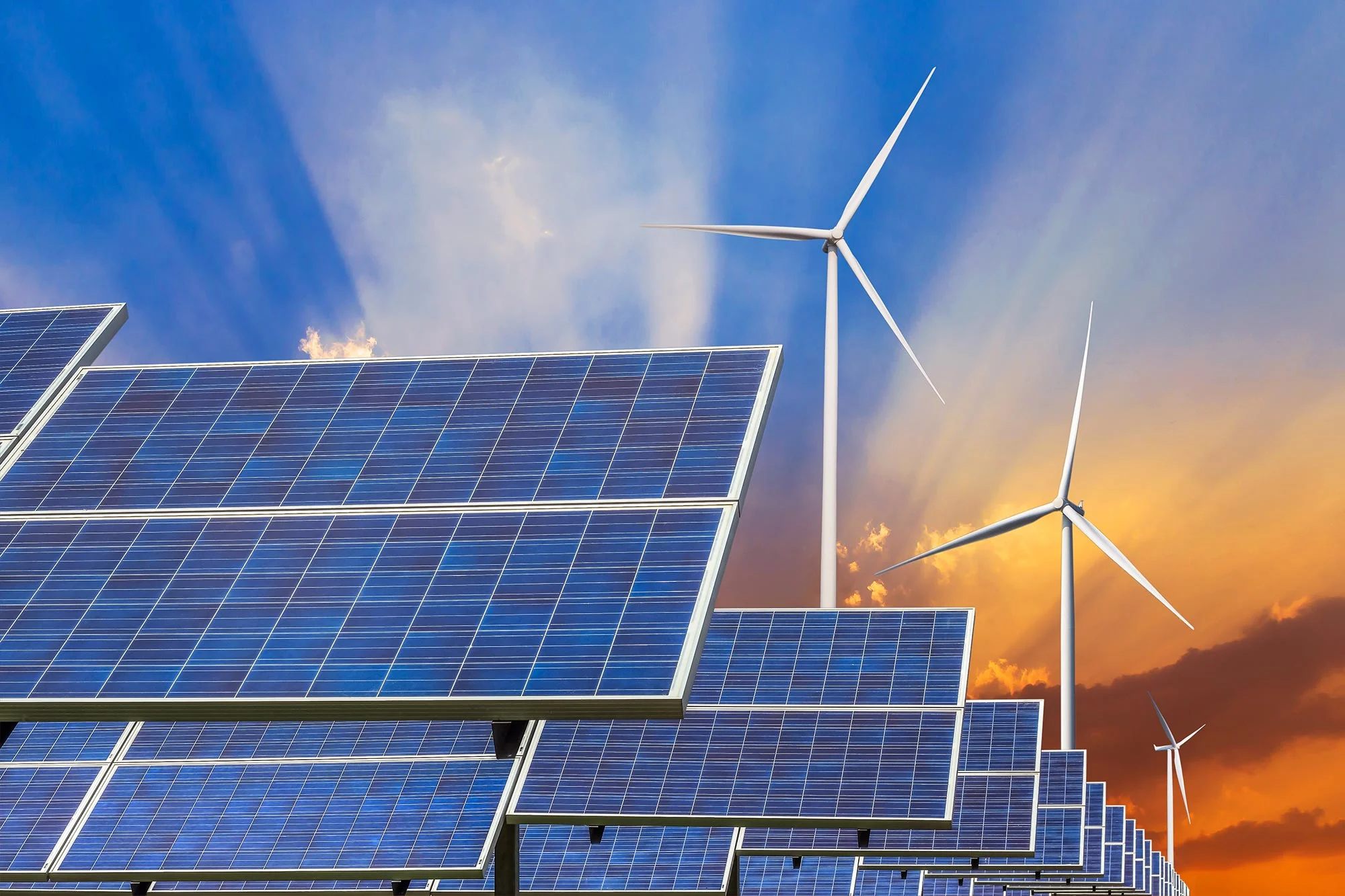
Understanding Water Systems in Heating
Water systems play a crucial role in heating homes and buildings. They are an integral part of both traditional and modern heating solutions. Water-based heating systems can be incredibly efficient, especially when combined with renewable energy sources.
Components of Water-Based Heating Systems
Water-based heating systems typically include:
-
Boilers: These heat water to provide central heating through radiators or underfloor systems. Boilers can be gas-fired, oil-fired, or electric, with gas being the most common in the UK. Modern boilers are designed to be highly efficient, with some models achieving up to 98% efficiency.
-
Pipes: Transport heated water throughout the property. The choice of pipe material can significantly impact the system's efficiency and longevity. For example, insulated pipes reduce heat loss, while copper pipes offer durability and resistance to corrosion.
-
Radiators/Underfloor Heating: Distribute heat into rooms. Radiators are the most common method of heat distribution, but underfloor heating is gaining popularity due to its even heat distribution and space-saving advantages.
Advantages of Water-Based Systems
-
Efficiency: Water has a high heat capacity, meaning it can store and distribute heat effectively. This makes water-based systems ideal for large properties or buildings with multiple rooms.
-
Comfort: Provides consistent warmth across spaces. Unlike some other heating systems, water-based systems can maintain a steady temperature, reducing the risk of cold spots.
-
Compatibility with Renewable Energy: Can be integrated with solar thermal panels or heat pumps. For example, solar thermal panels can preheat water before it enters the boiler, reducing the system's energy consumption.
Challenges and Considerations
While water-based systems offer many benefits, they also come with challenges such as initial installation costs and maintenance requirements. The upfront cost of installing a water-based system can be higher than other options, such as electric heating. However, the long-term savings on energy bills can offset this initial investment.
Additionally, integrating these systems with renewable technologies requires careful planning. For example, combining a boiler with a heat pump requires a compatible system design to ensure optimal performance. Regular maintenance is also essential to keep the system running efficiently and prevent issues such as leaks or blockages.
Innovations in Heating Systems
The evolution of heating systems is driven by the need for efficiency and sustainability. Innovations focus on reducing carbon footprints while ensuring user comfort.
Modern Heating Technologies
-
Heat Pumps
- Extracts heat from external sources like air or ground.
- Highly efficient with low operational costs.
- Heat pumps are a popular choice for sustainable heating, as they can reduce carbon emissions by up to 70% compared to traditional gas boilers. They work by absorbing heat from the outside air or ground and transferring it into the home, even in cold weather.
-
Smart Thermostats
- Allow remote control via smartphones.
- Optimize energy usage based on user habits.
- Smart thermostats can learn your heating preferences and adjust the temperature accordingly, reducing energy waste. They can also provide real-time energy consumption data, helping you make informed decisions about your heating usage.
-
Hydrogen Boilers
- Utilize hydrogen as a clean fuel source.
- Emit only water vapor as a byproduct.
- Hydrogen boilers are still in the early stages of development but show great promise as a future alternative. They produce no carbon emissions, making them a key part of the UK's strategy to achieve net-zero emissions by 2050.
Comparative Analysis of Heating Systems
| System Type | Efficiency | Cost | Environmental Impact | Maintenance Requirements | Lifespan |
| Gas Boilers | Moderate | Low | High CO2 emissions | Moderate | 10-15 years |
| Electric Heaters | Low | Moderate | High if non-renewable | Low | 15-20 years |
| Heat Pumps | High | Moderate | Low | Low | 15-20 years |
| Hydrogen Boilers | High | High | Very low | Moderate | 10-15 years |
Data Source: Energy Saving Trust (www.energysavingtrust.org.uk)
Each heating system has its pros and cons, and the best choice depends on factors such as property size, budget, and environmental goals. For example, heat pumps are ideal for eco-conscious homeowners, while hydrogen boilers may be a better fit for those looking for a future-proof solution.
Exploring Renewable Energy Options
Renewable energy is at the forefront of sustainable development, offering numerous benefits over traditional fossil fuels. The UK has set ambitious targets to increase the share of renewable energy in its energy mix, and the heating sector is no exception.
Key Renewable Energy Sources
-
Solar Power
- Photovoltaic panels convert sunlight into electricity.
- Solar thermal panels heat water directly.
- Solar power is one of the most widely used renewable energy sources in the UK. Photovoltaic panels can generate electricity for the home, while solar thermal panels can provide hot water for heating and other uses.
-
Wind Energy
- Wind turbines generate electricity from wind currents.
- Ideal for large-scale applications but limited in urban areas.
- Wind energy is particularly suitable for rural areas with consistent wind patterns. However, urban wind turbines are also being developed to harness wind energy in cities.
-
Biomass
- Organic materials burned to produce heat or electricity.
- Can utilize waste products, reducing landfill use.
- Biomass is a versatile renewable energy source that can be used for both heating and electricity generation. It is particularly beneficial in areas with access to sustainable biomass sources, such as forestry waste.
-
Hydrogen Energy
- Produced through electrolysis using renewable electricity.
- Offers high energy density and versatility in applications.
- Hydrogen energy is a promising alternative to fossil fuels, with the potential to decarbonize not only the heating sector but also transport and industry.
Renewable Solutions Ltd's Contribution
Renewable Solutions Ltd is a leading company providing innovative solutions for integrating renewable energy into everyday life. Their services include:
- Consultation on suitable renewable options for properties.
- Installation of solar panels, wind turbines, and biomass boilers.
- Maintenance services to ensure optimal performance.
Renewable Solutions Ltd also offers tailored solutions for businesses, helping them reduce their carbon footprint and achieve sustainability goals. Their expertise in renewable energy technologies makes them a valuable partner for anyone looking to transition to sustainable heating solutions.
Government Initiatives: Renewable Energy Grants Scotland
The Scottish government offers several grants to encourage the adoption of renewable energy technologies among residents and businesses. These grants are designed to make renewable energy more accessible and affordable, while also supporting the UK's transition to a low-carbon economy.
Types of Available Grants
-
Home Energy Scotland Loan
- Provides interest-free loans for installing renewable technologies like solar panels or heat pumps.
- The loan can be used to cover the cost of installation, with repayments made over a flexible term. This makes it an attractive option for homeowners looking to invest in renewable energy without a large upfront cost.
-
Renewable Heat Incentive (RHI)
- Offers financial incentives for generating your own renewable heat through eligible technologies.
- The RHI provides regular payments over a fixed term, based on the amount of heat generated. This can significantly reduce the payback period for renewable heating systems.
-
Energy Company Obligation (ECO) Scheme
- Obligates larger energy companies to help improve home efficiency through insulation or new boilers.
- The ECO scheme provides funding for energy efficiency measures, such as loft insulation or the installation of new boilers. This can help reduce energy bills and lower carbon emissions.
Eligibility Criteria for Grants
To qualify for these grants, applicants typically need to:
- Own their property or have landlord permission if renting.
- Use approved installers listed by the scheme.
- Meet specific criteria related to income or property type.
For detailed information on grant applications, visit Energy Saving Trust. The Energy Saving Trust also provides guidance on choosing the right renewable energy technologies and maximizing the benefits of government incentives.
Q&A on Heating & Renewable Energy
Q1: What is the best heating system for eco-friendliness?
A1: Heat pumps are considered one of the most eco-friendly options due to their high efficiency and low emissions when powered by renewable electricity. They are a key part of the UK's strategy to reduce carbon emissions and achieve net-zero by 2050.
Q2: How can I integrate solar power into my existing heating system?
A2: You can integrate solar thermal panels to preheat water before it enters your boiler system, reducing overall energy consumption from non-renewable sources. This can significantly lower your energy bills and reduce your carbon footprint.
Q3: Are hydrogen boilers widely available?
A3: Hydrogen boilers are still in developmental stages but show great promise as a future alternative once hydrogen production becomes more widespread and cost-effective. They are a key part of the UK's long-term strategy to decarbonize the heating sector.
Q4: What support is available for businesses looking to switch to renewable energy?
A4: Businesses can access various grants and loans through schemes like the RHI or tailored business programs by organizations such as Renewable Solutions Ltd that offer consultation services specifically designed for commercial needs. These programs can help businesses reduce their carbon footprint and achieve sustainability goals.
References
- https://www.gov.scot/news/community-energy-generation-growth-fund-opens/
- https://www.gov.scot/publications/programme-government-2025-26/pages/4/
- https://localenergy.scot/funding/community-energy-generation-growth-fund/
- https://carbon-pulse.com/397290/
- https://www.gbe.gov.uk/blog/great-british-energy-funding-boost-scottish-communities
These resources provide further insights into government policies, technological advancements, and practical guidance on adopting sustainable practices within homes and businesses across the UK.