
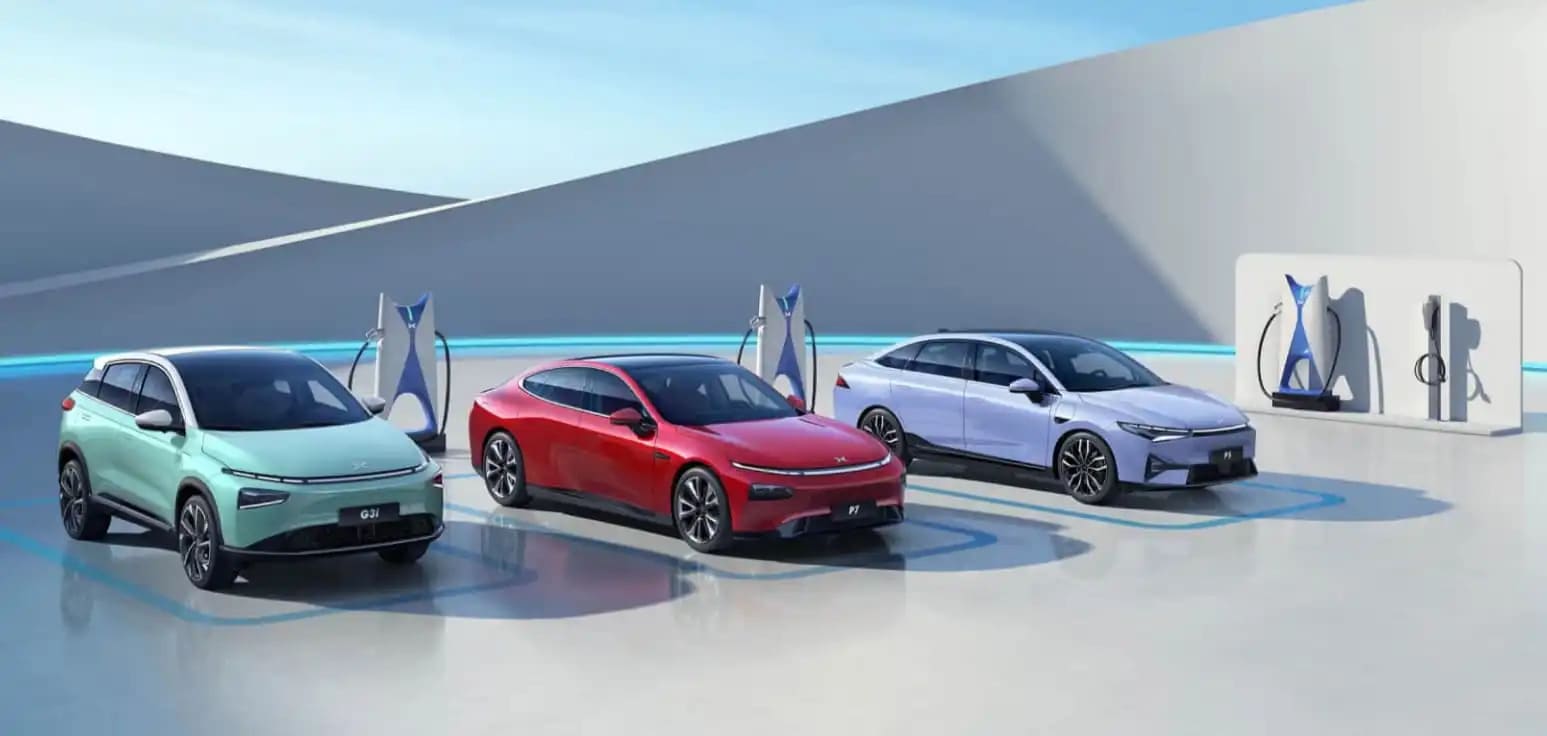
What Are Electric Cars?
Electric cars, also known as electric vehicles (EVs), run on electricity stored in rechargeable batteries rather than internal combustion engines fueled by gasoline or diesel. EVs offer zero-emissions driving, aligning with global efforts to reduce carbon footprints and combat climate change.
Types of Electric Vehicles
-
Battery Electric Vehicles (BEVs): Fully electric cars powered exclusively by batteries. Popular examples include Tesla Model 3 and Nissan Leaf.
-
Plug-in Hybrid Electric Vehicles (PHEVs): Combine an electric motor with a traditional combustion engine. Examples include the Toyota Prius Prime and Chevrolet Volt.
-
Hybrid Electric Vehicles (HEVs): Use an electric motor to assist a combustion engine but cannot be recharged externally.
Why Are Electric Cars Important?
Electric cars play a crucial role in reducing greenhouse gas emissions, lowering dependence on fossil fuels, and promoting sustainable energy use. They also pave the way for technological innovation, driving advancements like autonomous driving and smart grid integration.
How Much Do Electric Cars Cost?
The cost of electric cars varies widely based on factors such as model, battery range, and additional features. While EVs were once considered a luxury, many affordable options are now available.
Factors Affecting Costs
-
Battery Size: Larger batteries with longer ranges typically increase the cost of the vehicle.
-
Brand: Premium brands like Tesla command higher prices, while budget-friendly brands like Hyundai and Kia offer affordable EV options.
-
Tax Incentives: Federal and state rebates can significantly reduce the upfront cost of an EV.
Average Price Ranges for Electric Cars
|
Vehicle Type
|
Price Range
|
Examples
|
|
Budget EVs
|
$$20,000$$35,000
|
Nissan Leaf, Chevrolet Bolt EV
|
|
Mid-Range EVs
|
$$35,000$$60,000
|
Tesla Model 3, Hyundai Ioniq 5
|
|
Luxury EVs
|
$60,000+
|
Tesla Model S, Porsche Taycan
|
Source: Kelley Blue Book
Cheapest New Electric Car Options
For consumers on a budget, models like the Chevrolet Bolt EV and Nissan Leaf offer competitive pricing and reliable performance. These vehicles provide essential features without compromising on quality, making them ideal for first-time EV buyers.
Electric Car Ranges and Performance
Battery range is one of the most critical factors influencing an EV purchase. The range varies depending on the model, battery size, and driving conditions.
Average Ranges for Electric Cars
|
Vehicle Type
|
Average Range (Miles)
|
Examples
|
|
Budget EVs
|
150–250
|
Nissan Leaf, Mini Cooper SE
|
|
Mid-Range EVs
|
250–350
|
Tesla Model 3, Kia EV6
|
|
Luxury EVs
|
350+
|
Tesla Model S, Lucid Air
|
Factors Influencing Range
-
Battery Size: Larger batteries store more energy, extending the driving range.
-
Driving Conditions: Highway speeds and extreme weather can reduce range.
-
Weight and Aerodynamics: Lightweight designs and optimized aerodynamics improve efficiency.
Electric Cars for Seniors
Electric vehicles are particularly appealing to seniors, offering ease of use, lower maintenance, and advanced safety features.
Features That Benefit Seniors
-
Ease of Operation: EVs often have simple controls, making them user-friendly for older drivers.
-
Driver Assistance: Features like lane-keeping assist, adaptive cruise control, and automatic emergency braking enhance safety.
-
Comfortable Design: Many EVs offer spacious interiors and low noise levels for a comfortable driving experience.
Recommended Electric Cars for Seniors
-
Chevrolet Bolt EV: Affordable, compact, and easy to maneuver.
-
Hyundai Kona EV: Offers advanced safety features and a long driving range.
-
Tesla Model 3: Combines high-tech features with an intuitive interface.
The Best Cheap Electric Cars
Affordable EVs are gaining traction among consumers who want to reduce their environmental impact without breaking the bank.
Top Budget-Friendly Electric Cars
-
Nissan Leaf: One of the most affordable EVs, offering a range of up to 226 miles and a starting price of $27,800.
-
Chevrolet Bolt EV: Provides a range of 259 miles with a price tag starting at $25,600 after federal tax credits.
-
Mini Cooper SE: A compact, fun-to-drive EV with a range of 114 miles and a price of $29,900.
Table: Comparison of Budget-Friendly Electric Cars
|
Model
|
Starting Price
|
Range (Miles)
|
|
Nissan Leaf
|
$27,800
|
226
|
|
Chevrolet Bolt EV
|
$25,600 (after credits)
|
259
|
|
Mini Cooper SE
|
$29,900
|
114
|
Source: Manufacturer websites
Benefits and Challenges of Electric Cars
Electric cars come with numerous benefits but also present challenges that potential buyers should consider.
Benefits
-
Environmental Impact: Zero tailpipe emissions reduce air pollution and greenhouse gases.
-
Lower Operating Costs: EVs have fewer moving parts, resulting in minimal maintenance compared to gasoline cars.
-
Tax Incentives: Federal and state programs provide rebates, lowering the cost of ownership.
Challenges
-
Initial Cost: EVs have a higher upfront cost compared to gasoline vehicles.
-
Charging Infrastructure: Limited charging stations in some areas can be inconvenient for long trips.
-
Battery Degradation: Over time, batteries may lose capacity, reducing the vehicle's range.
FAQs
How much do electric cars cost?
Electric car prices vary from $20,000 for budget models like the Nissan Leaf to over $60,000 for luxury models like the Tesla Model S. Tax incentives can significantly reduce the cost.
What is the average range of an electric car?
Ranges vary from 150–250 miles for budget models to over 350 miles for luxury EVs. Factors like battery size and driving conditions play a role.
Are electric cars suitable for seniors?
Yes, electric cars offer simple controls, advanced safety features, and comfortable designs, making them ideal for senior drivers.
What is the cheapest new electric car?
The Chevrolet Bolt EV is one of the most affordable options, starting at $25,600 after federal tax credits, with a range of 259 miles.
Do electric cars have maintenance advantages over gasoline cars?
Yes, EVs require less maintenance due to fewer moving parts, no oil changes, and simplified drivetrain systems.
Electric cars represent the future of transportation, combining environmental benefits, technological innovation, and cost savings. Whether you’re looking for an affordable EV, considering options for seniors, or exploring the latest models, electric vehicles are transforming the way we drive and live.