
Understanding Breast Implants
What Are Breast Implants?
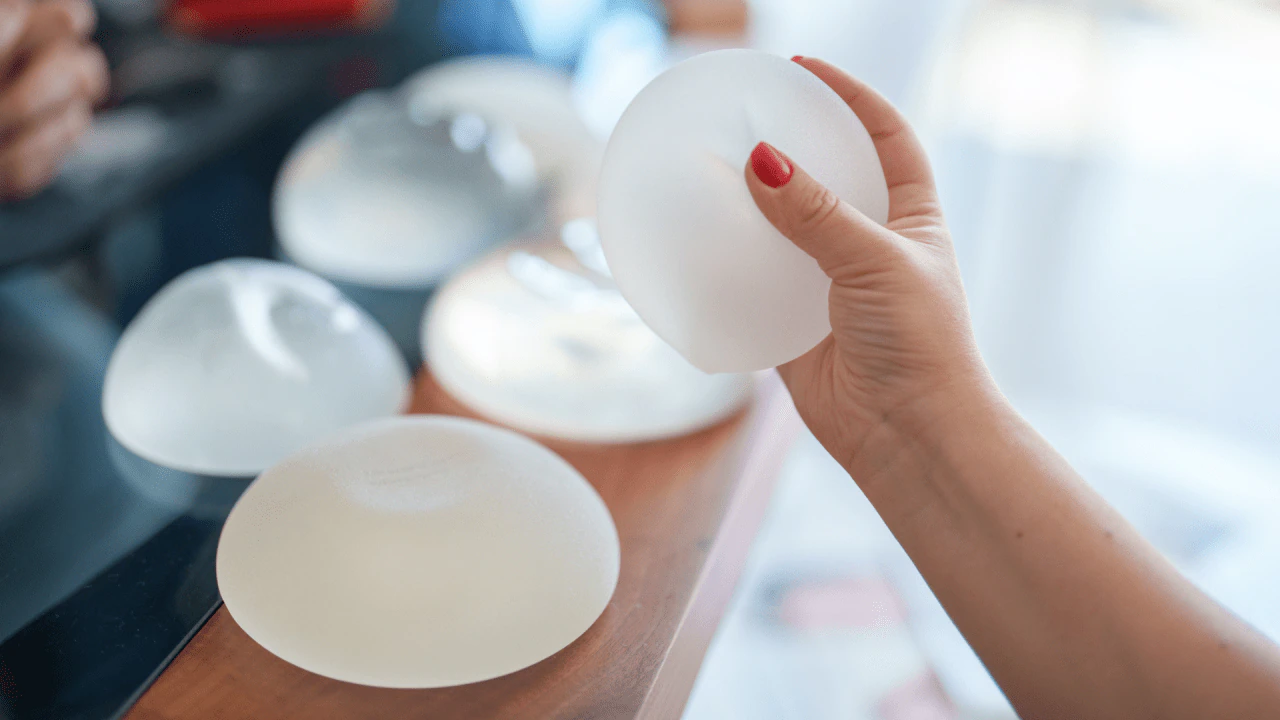
Breast implants are medical devices used to augment, reconstruct, or enhance the shape of breasts. They are commonly used in breast augmentation surgery, one of the most popular cosmetic procedures worldwide. Implants can be filled with either saline or silicone gel and are available in various shapes and sizes to meet individual preferences and anatomical considerations.
Types of Breast Implants
-
Saline Implants: Filled with sterile saltwater, these implants are inserted empty and then filled once in place. They are known for their uniform shape and feel.
-
Silicone Gel Implants: These are pre-filled with silicone gel, which tends to feel more like natural breast tissue. They are available in various degrees of firmness and shapes.
-
Gummy Bear Implants: A type of silicone implant known for maintaining its shape even if the shell is broken. They are firmer compared to traditional silicone implants.
-
Textured vs. Smooth Implants: Textured implants are designed to stay in place more firmly, reducing the risk of shifting. Smooth implants move more naturally within the breast pocket.
Comparison of Breast Implant Types
|
Implant Type
|
Filling Material
|
Feel and Texture
|
Advantages
|
Considerations
|
|
Saline Implants
|
Sterile Saltwater
|
Firm and uniform
|
Adjustable size during surgery, less invasive
|
May feel less natural than silicone
|
|
Silicone Gel Implants
|
Silicone Gel
|
Soft and natural
|
More natural feel, less rippling
|
Requires larger incision, potential for silent rupture
|
|
Gummy Bear Implants
|
Cohesive Silicone
|
Firm and shaped
|
Maintains shape, less leakage risk
|
Firmer feel, may require larger incision
|
Data Source: American Society of Plastic Surgeons
The Process of Breast Implant Surgery
Consultation and Planning
The journey to breast augmentation begins with a thorough consultation with a qualified plastic surgeon. During this phase, patients discuss their goals, review medical history, and explore implant options. Surgeons assess the patient's anatomy to recommend the most suitable implant type, size, and surgical approach.
Surgical Procedure
Breast implant surgery typically involves the following steps:
-
Anesthesia: Administered to ensure comfort throughout the procedure. Options include intravenous sedation and general anesthesia.
-
Incision: The surgeon makes incisions in inconspicuous areas to minimize visible scarring. Common incision sites include under the breast, around the areola, or in the armpit.
-
Implant Placement: Implants can be placed either under the pectoral muscle (submuscular) or directly behind the breast tissue (subglandular).
-
Closing Incisions: Incisions are closed with layered sutures, skin adhesive, or surgical tape.
-
Recovery: Patients are monitored as they recover from anesthesia. Post-operative instructions are provided to ensure proper healing and minimize complications.
Recovery and Aftercare
Recovery from breast implant surgery varies by individual but typically involves a few weeks of downtime. Patients may experience swelling, soreness, and temporary changes in breast sensation. It's crucial to follow the surgeon's post-operative care instructions, which often include wearing a support bra, avoiding strenuous activities, and attending follow-up appointments.
Cost and Accessibility
Understanding Costs
The cost of breast implant surgery can vary significantly based on several factors, including the type of implant, surgeon's experience, geographical location, and facility fees. On average, the procedure can range from £3,500 to £7,000.
Factors Affecting Cost
-
Implant Type: Silicone implants generally cost more than saline due to their material and manufacturing process.
-
Surgeon's Expertise: Highly experienced surgeons may charge higher fees for their expertise and reputation.
-
Location: Costs may vary depending on the city or region, with urban centers typically having higher rates.
Finding Affordable Options
-
Breast Augmentation Surgery Near Me: Researching local clinics and comparing prices can help in finding affordable options.
-
Payment Plans and Financing: Many clinics offer financing options or payment plans to make the procedure more accessible.
Chart: Factors Influencing Breast Implant Costs
|
Factor
|
Description
|
|
Implant Type
|
Silicone generally costs more than saline
|
|
Surgeon's Expertise
|
Experienced surgeons may charge higher fees
|
|
Geographical Location
|
Costs vary between urban and rural areas
|
|
Facility Fees
|
Hospital or clinic charges
|
Data Source: National Health Service
Innovations and Competitive Landscape
Advancements in Breast Implants
Recent advancements in breast implant technology have focused on improving safety, longevity, and aesthetics.
Key Innovations
-
Highly Cohesive Gel: Also known as "gummy bear" implants, these provide a stable shape and are less likely to leak.
-
Microtextured Surfaces: Designed to reduce the risk of capsular contracture, a common complication where scar tissue forms around the implant.
-
Customizable Implants: New technologies allow for more personalized options in terms of shape and size, catering to individual anatomical and aesthetic needs.
Competitive Products
-
Motiva Implants: Known for their innovative design and safety features, offering a range of shapes and sizes.
-
Natrelle Implants: Offers a wide array of options with a focus on natural feel and look.
-
Mentor Implants: Provides both silicone and saline options with a reputation for durability and safety.
FAQs
What is the typical recovery time for breast implant surgery?
Recovery time varies but generally takes a few weeks. Most patients can return to work within one to two weeks, while full recovery may take several weeks to months.
Are breast implants safe?
Breast implants are considered safe when performed by a qualified surgeon. However, like any surgery, there are risks involved, including infection, implant rupture, and capsular contracture.
How long do breast implants last?
Breast implants are not lifetime devices. On average, they last between 10 to 15 years, although some may last longer without issues. Regular check-ups are essential to monitor their condition.
Can breast implants affect breastfeeding?
Breast implants generally do not interfere with breastfeeding. However, certain incision sites and implant placements may affect milk production and delivery.
How do I choose the right implant size?
Choosing the right implant size involves considering your body type, aesthetic goals, and surgeon's recommendations. Trying on different sizes during consultation can help in making an informed decision.
Breast implants offer a transformative option for enhancing or restoring breast appearance. With advancements in technology and a variety of options available, individuals can achieve their desired results with greater confidence and satisfaction. Understanding the different types of implants, the surgical process, costs, and innovations empowers individuals to make informed decisions about their breast augmentation journey.