
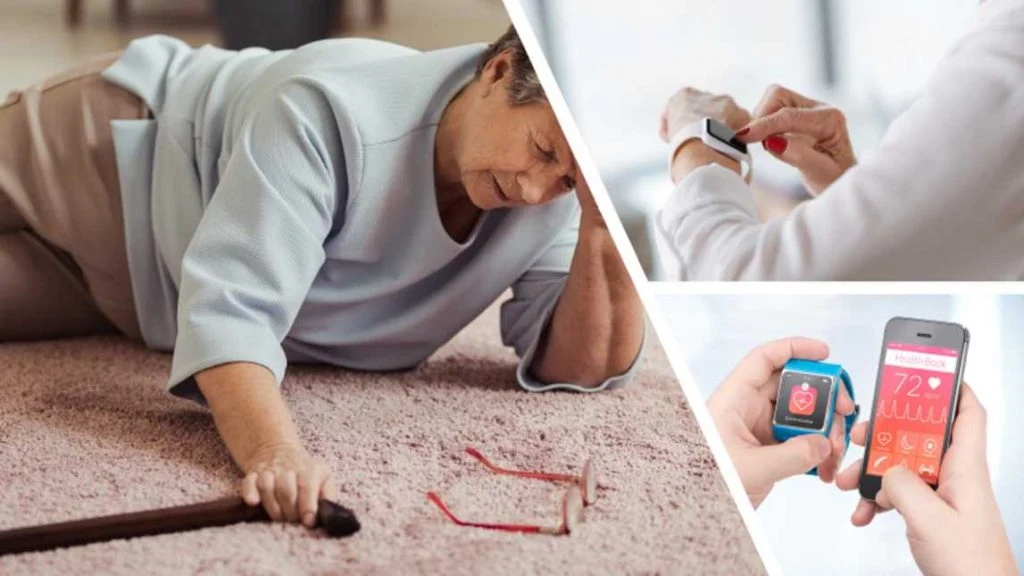
Understanding the Different Types of Fall Alert Systems
Choosing the right fall alert system is a crucial step in ensuring the safety and independence of elderly individuals. These systems have evolved significantly, offering a range of technologies designed to detect falls and summon help quickly. This section explores the different types of fall alert systems available, focusing on their functionalities, benefits, and suitability for various lifestyles and needs.
Wearable Fall Alert Devices
Wearable devices are among the most popular and versatile safety systems. These devices are typically worn as pendants, wristbands, or even integrated into clothing. They leverage advanced sensor technology, such as accelerometers and gyroscopes, to detect sudden movements and impacts indicative of a fall.
When a fall is detected, the device can automatically alert caregivers or emergency services. Some devices also offer a manual alert button, allowing the user to call for help even if a fall isn't detected but assistance is needed. A key advantage of wearable devices is their portability, ensuring that protection is available both inside and outside the home. For outdoor use, many wearables incorporate GPS technology, enabling precise location tracking in case of an emergency. This is especially beneficial for seniors who enjoy outdoor activities and may be at risk of falling while away from home.
The comfort and ease of use of wearable devices are critical factors to consider. Lightweight and discreet designs encourage consistent wear, maximizing their effectiveness. Battery life is another important consideration, as devices with longer battery lives reduce the need for frequent charging and ensure continuous protection.
Non-Wearable Home Sensor Systems
Non-wearable systems offer an alternative approach to accident detection, utilising sensors strategically placed around the home. These systems can include motion sensors, pressure-sensitive floor mats, and even smart home integrations.
Motion sensors can detect unusual patterns of movement or prolonged inactivity, which might indicate a fall. Floor mats equipped with pressure sensors can trigger an alert if someone falls in a high-risk area, such as the bathroom or kitchen.
One of the main benefits of non-wearable systems is that they don't require the user to wear anything, which can be preferable for those who find wearable devices uncomfortable or forgetful. These systems can be particularly useful for individuals with cognitive impairments who may not remember to wear or charge a wearable device.
Integration with smart home technology is an emerging trend in accident detection. Smart home systems can learn a person's daily routines and detect anomalies that might signal a fall. For instance, if someone doesn't get out of bed at their usual time, the system can send an alert to a caregiver.
Smartphone-Based Fall Detection
Smartphones are increasingly being used as safety gadgets, thanks to their built-in sensors and connectivity features. Accident detection apps utilise the phone's accelerometer and gyroscope to identify falls, and can automatically alert emergency contacts or services.
These apps often include features like GPS tracking and two-way communication, allowing for quick location identification and direct communication with the user after a fall. A significant advantage of smartphone-based systems is their cost-effectiveness, as many apps are available for free or at a low cost.
However, the effectiveness of smartphone-based accident detection depends on the user consistently carrying their phone. Forgetting to carry the phone or allowing the battery to die can render the system useless. Therefore, smartphone-based solutions are best suited for individuals who are diligent about keeping their phone with them and charged.
Hybrid and Advanced Systems
Beyond the basic types, there are also hybrid systems that combine elements of wearable and non-wearable technology. These systems might include a wearable pendant for use outside the home, along with strategically placed sensors within the home for comprehensive coverage.
Another advancement is the use of AI and machine learning to improve the accuracy of accident detection algorithms. AI-powered systems can learn to differentiate between normal movements and actual falls, reducing the likelihood of false alarms. Some systems also incorporate predictive accident risk assessments, using data to identify individuals at higher risk of falling and providing tailored interventions to prevent falls.
Two-way communication is another important feature to consider. Devices with two-way communication allow the user to speak directly with an emergency responder or caregiver, providing reassurance and enabling more informed assistance.
Ultimately, the best type of safety system depends on the individual's specific needs, lifestyle, and preferences. Considering factors such as mobility, cognitive function, and living environment is essential when making a decision. Consulting with healthcare professionals and telecare providers can provide valuable guidance in selecting the most appropriate and effective system.
Key Features to Consider When Choosing a Device
Choosing the right safety gadget involves careful consideration of several factors. You need a device that is reliable, easy to use, and meets the specific needs of the individual. Here’s a breakdown of some crucial features:
Accuracy and Reliability
The primary function of a safety gadget is to accurately detect falls. False alarms can be disruptive and cause unnecessary worry. Look for devices that use advanced sensor technology, such as AI-powered motion sensors, to minimise false positives. These sensors should be sensitive enough to detect genuine falls but also able to differentiate them from everyday activities. Adjustable sensitivity settings can be particularly useful, allowing you to customise the device based on the user's activity level and lifestyle. Regular testing and clinical evaluations, like those conducted within the UK, can provide insights into the real-world performance of different devices and help you gauge their reliability.
Ease of Use and Comfort
A safety gadget is only effective if the user is willing to wear it consistently. Therefore, ease of use and comfort are paramount. Consider the form factor: is it a wearable wristband, a pendant, or a clip-on device? Choose a design that is comfortable and unobtrusive for the individual. The device should also be simple to operate, with clear instructions and intuitive controls. Large, easy-to-press buttons for manual alerts are essential, as is clear two-way communication that allows the user to speak directly with emergency responders or caregivers. The interface, if any, should be straightforward and easily understood by someone who may not be tech-savvy.
Emergency Response and Connectivity
A critical feature is the device's ability to quickly and effectively summon help in an emergency. Look for devices that offer automatic alerts to caregivers or monitoring centres. Integration with smartphones and apps can allow for real-time notifications to family members. Two-way communication capabilities are also invaluable, enabling direct contact with responders to assess the situation. Robust signal transmission is crucial, especially in rural areas, ensuring that the device can connect to emergency services even in areas with limited network coverage. Furthermore, consider whether the device complies with data privacy regulations, such as GDPR, to protect the user's personal information within the healthcare framework.
Battery Life and Waterproofing
Long battery life is essential for a safety gadget, as it ensures that the device is always ready to use. Ideally, the battery should last for at least a week on a single charge. Water resistance is another important consideration, as it allows the user to wear the device in the shower or during other activities where it might get wet. A waterproof design provides peace of mind and ensures that the device is functional in all situations. Checking the battery status should also be easy, with clear indicators and low-battery notifications.
GPS Tracking and Additional Features
GPS tracking can be a valuable feature, particularly for individuals who are active and spend time outdoors. This allows caregivers to locate the user in case of an emergency, even if they are unable to communicate. Customizable alert settings can also be beneficial, allowing you to tailor the device to the individual's specific health needs and preferences. Interoperability with existing medical alarm systems and cost-effective models supported by government aid programmes can also be significant factors, especially within healthcare systems. Affordability combined with reliable customer support is another crucial consideration.
Question and Answer (QA) Section
-
What is a Senior Fall Alert Device and how does it work?
A Senior Fall Alert Device is a technology designed to detect falls in elderly individuals and automatically alert caregivers or emergency services. These devices often use sensors, such as accelerometers and gyroscopes, to detect sudden movements and impacts indicative of a fall. Once a fall is detected, the device sends an alert through various means such as SMS, phone call, or a connected app to ensure timely assistance.
-
How do Electronic Fall Alert Devices differ from traditional alert systems?
Electronic Fall Alert Devices incorporate advanced technology like GPS tracking, two-way communication, and sometimes integrate with smart home systems. This allows for real-time location tracking and direct communication with emergency responders, offering a more robust response compared to traditional alert systems which might only send a basic alert signal without additional context.
-
What are the benefits of using a Fall Alert Device for the elderly?
Fall Alert Devices provide several benefits including increased safety, peace of mind for both users and their families, and the potential to maintain independence for longer. They help ensure that help is quickly summoned in the event of a fall, reducing the time an elderly person might spend without assistance, which is crucial for mitigating the risk of serious injuries.
-
Why might someone choose a Walmart Fall Alert Device over other options?
Walmart Fall Alert Devices might be preferred due to their accessibility, affordability, and the convenience of purchasing from a widely recognized retailer. These devices are often available in a range of models and price points, making them accessible to a broad audience. Additionally, purchasing from a retailer like Walmart might offer easier return policies and customer support.
-
What should be considered when selecting a Life Alert system for an elderly person?
When choosing a Life Alert system, consider factors such as the accuracy of fall detection, ease of use, battery life, and the type of alert mechanism (e.g., automatic vs. manual). It's also important to assess whether the device offers additional features like GPS tracking and two-way communication, as well as the reliability of the service provider in terms of response time and customer support.