
Exploring Interactive Creations: How Play Fuels Young Minds
Engaging young minds in the world of coding centers on making it interactive, fun, and relatable. By turning complex concepts into exciting adventures through playful learning, children in Singapore gain a new enthusiasm for technology.
1. The Dynamics of Playful Learning
Traditional teaching methods risk losing children's interest with dry, abstract teachings. Instead, playful learning harnesses their natural curiosity, offering an immersive approach that transforms potentially daunting subjects like coding into entertaining experiences. Incorporating games and puzzles taps into the joy of learning. Consider how creating a virtual pet teaches the principle of variables through an interactive exercise. The pet's changing appearance offers a tangible understanding of coding concepts, like variables and values, making abstract facts memorable.
2. Interactive Creation: From Idea to Code
Interactive projects bring coding ideas to life, enabling children to see their solutions manifest instantly. For example, when a child builds a simple racing game, they learn by modifying the car's speed or handling, visualizing the direct impact of code executed. This process of ideation, coding, testing, and refining enriches their problem-solving skills and nurtures ownership over their learning process.
3. Creative Landscapes and Problem-Solving
Coding allows children to use their creativity beyond pure technical skills. They learn to think independently, apply various solutions, and craft innovative solutions to problems. An app that blends storytelling with coding, where they write narratives and code interactivity, helps children cultivate artistic mastery alongside technical finesse. This multi-faceted challenge strengthens their problem-solving ability by developing critical thinking and resourcefulness.
4. Utilizing Popular Play-Based Coding Tools
Structured tools like Scratch, created by MIT, and platforms like Code.org make coding accessible through visual programming and interactive elements tailored for different age groups. These platforms simplify learning with drag-and-drop interfaces and visual storytelling, capturing young learners' attention with themes from beloved games and movies.
5. The Collaborative Role of Teachers and Parents
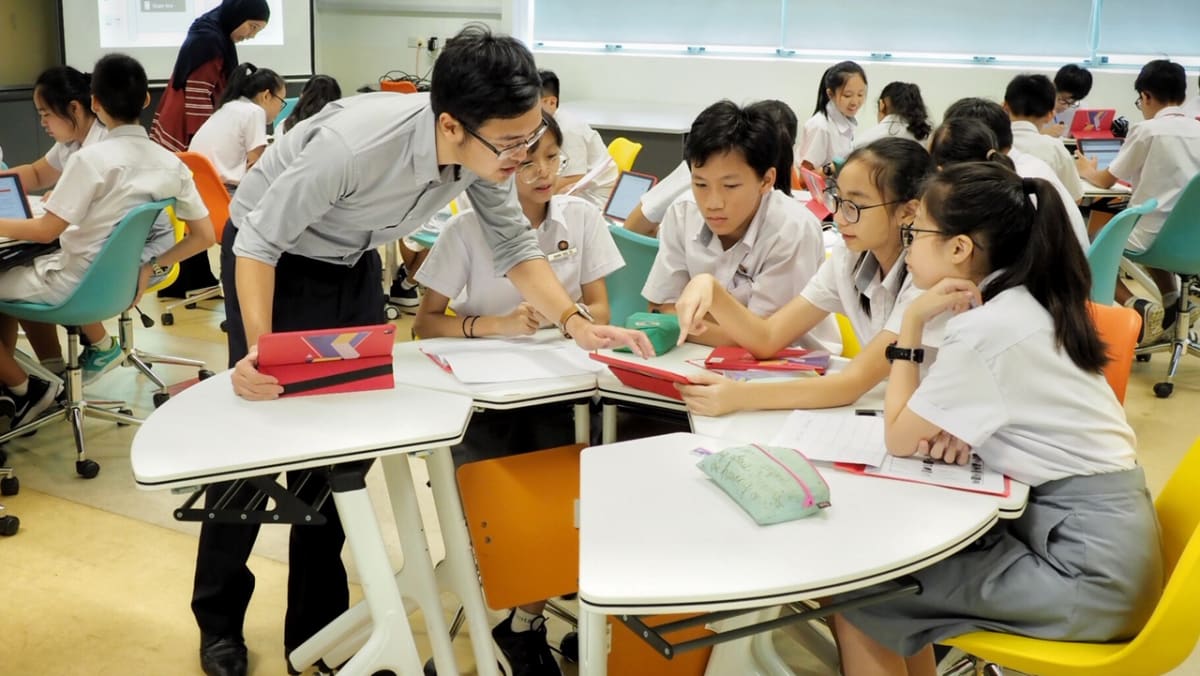
While tools aid learning, the support of educators and parents plays a decisive role. Teachers can design compelling lesson plans and foster teamwork through collaborative projects, leveraging group dynamics to enhance learning experiences. Meanwhile, parents can bolster their children’s motivation by providing resources, encouraging coding endeavors at home, and participating in community coding events or competitions, thereby fostering a thriving environment for creativity and innovation in coding learning.
| Description | Examples / Tools / Programs | Target Age Group | Source / Initiative | |
|---|---|---|---|---|
| Nurturing Young Coders | Focus on building foundational coding skills and digital literacy to empower children in Singapore to thrive in a tech-driven world | Structured curriculum teaching Scratch, Block Coding, Python basics; emphasis on problem-solving and creativity | 4 to 16 years | The Young Maker (Singapore) |
| Rise of Kids Coding Education Sector | Expansion of coding education programs and jobs for tutors specializing in children’s programming education in Singapore | Coding tutor jobs specializing in Scratch and block-based coding; digital literacy tutoring services | 5 to 16 years | The Young Maker; EdTech SG |
| Creative Coding Paths | Use of engaging, creative tools and project-based learning to make coding fun and accessible for children | Use of visual programming tools (Scratch, Blockly), robotics kits, creative apps for storytelling through code | 4 to 12 years | The Young Maker; Singapore EdTech Reports |
Mastering Problem-Solving Through Coding
As coding moves beyond syntax into a broader learning platform, its potential to hone problem-solving skills in children is increasingly recognized.
1. Everyday Challenges and the Coding Connection
Both real-world tasks, such as baking a cake, and coding share a foundational procedure: problem identification, stepwise resolution, and adjusting to unexpected outcomes. This direct correlation positions coding as a critical skill that bolsters problem-solving capabilities, imparting valuable lessons applicable in everyday life.
2. Structuring Thought Processes for Coding Success
Frameworks like Kepner-Tregoe's structured thinking equip children with methodologies for logical reasoning and organized problem-solving. These skills are seamlessly transferred to coding challenges, enhancing their analytical mindsets and decision-making capabilities beyond writing lines of code.
3. The Impact of AI and VR on Coding Education
AI and VR are transforming coding from conceptual abstraction to immersive reality. Personalized AI tutoring accommodates different paces, while VR immerses children in coding environments, like virtual robotics, making abstract concepts tangible. This fusion fosters an understanding of coding's practical application, advancing both technical competence and algorithmic thinking.
4. Interactive Challenges and Real-World Engagement
Coding becomes more alluring when paired with challenges that resonate with children's interests. Activities such as creating a game or developing an app related to their passions enhance motivational drive and creativity. These hands-on experiences reinforce coding skills and showcase coding's potential for real-world significance, encouraging a commitment to innovation.
From Blocks to Breakthroughs: The Journey of a Young Coder
Visual programming guides novices from grasping basics to exploring vast creative horizons, laying the groundwork for practical proficiency and visionary projects.
1. Building Blocks of Technology
The simplicity of drag-and-drop interfaces demystifies coding, transforming abstract thought processes into visual representations. Commands represented as blocks permit children to construct programs instinctively, mirroring logical thinking patterns applicable across their academic and personal spheres.
2. Encouraging Digital Literacy and Responsible Citizenship
Beyond technical literacy, coding endows the young with digital insight. Understanding the mechanics behind technology nurtures informed digital citizens adapted to modern challenges in privacy and information curation, amplifying their role as conscientious technology participants.
3. Pioneering Future Innovators
Coding education is pivotal in nurturing future trailblazers, unlocking imagination that translates into real-world impact. Providing children the infrastructure to develop and innovate furthers their potential as tomorrow's entrepreneurs and inventors, catalyzing societal progress through technology-driven contributions.
4. Institutional Support in Coding Education
Educational hubs like The Young Maker in Singapore underscore a collaborative learning strategy by introducing structured environments that integrate global best practices into localized curriculums, aligning early learning initiatives with future professional landscapes for students.
5. Gaming as a Gateway to Creativity
The gaming industry's reliance on coding skillsets makes it an enticing educational entry point for children. Platforms like Scratch cultivate skills that empower future game developers, emphasizing strategy, creativity, and interactive design as building blocks for aspiring technologists.
Singapore's commitment to embedding coding education into children's curricula solidifies the foundation for innovation and adaptability. By enabling children to emerge as active participants in a digitally driven society, Singapore prepares them for future success, embedding coding within a broader cultural and educational framework.
Question and Answer
-
What are some popular platforms or tools for teaching coding to kids in Singapore?
Scratch and Code.org are among the most popular tools used in Singapore for teaching coding to children. Scratch is a visual programming language developed by MIT that allows kids to create stories, games, and animations using drag-and-drop blocks. Code.org offers a variety of interactive courses and activities suitable for different age groups and skill levels, often incorporating themes from popular media to engage young learners.
-
How does coding education benefit children in Singapore's digital economy?
Coding education equips children with essential problem-solving skills and the ability to think logically and creatively. As Singapore advances its Smart Nation initiative and digital economy, these skills are increasingly valuable. By learning to code, children gain a deeper understanding of technology, preparing them for future careers in tech and other innovative fields. Moreover, coding nurtures a mindset of innovation and entrepreneurship, essential for thriving in a tech-driven world.
-
What role do parents and educators play in nurturing young coders in Singapore?
Parents and educators are crucial in fostering a supportive environment for young coders. Educators can integrate coding into the curriculum and offer extracurricular activities, while parents can encourage coding exploration at home. By providing resources, celebrating achievements, and promoting collaborative projects, both parents and educators can inspire children to pursue coding with enthusiasm and confidence.
-
How can playful learning enhance coding education for children in Singapore?
Playful learning transforms coding from a daunting task into an enjoyable adventure. By incorporating games, puzzles, and interactive stories, children can grasp complex programming concepts through engaging activities. This approach not only maintains their interest but also fosters a positive attitude toward STEM subjects, encouraging them to pursue further studies and careers in these fields.
-
What are some innovative trends in kids' coding education in Singapore?
The integration of AI and VR into coding education is a growing trend in Singapore. AI-driven tutoring systems offer personalized learning experiences, adapting to each child's pace and style. VR provides immersive environments where children can build and test programs in a simulated world. These technologies make coding more engaging and accessible, helping children develop strong computational thinking skills essential for future success.