
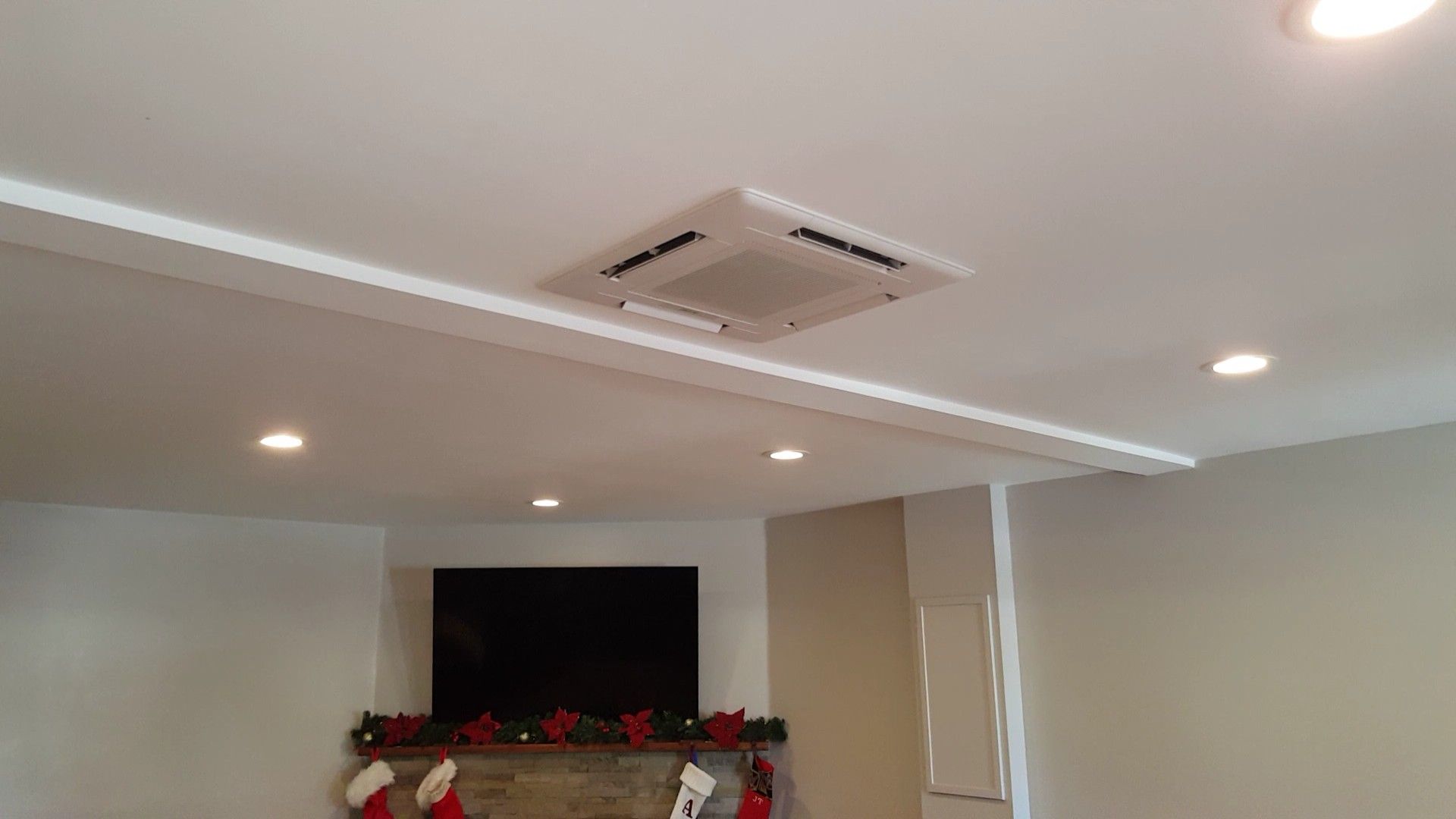
Understanding the Basics of Ductless Air Conditioning Systems
Ductless air conditioning systems, also known as mini-split systems, offer a flexible and efficient way to cool individual rooms or zones without the need for extensive ductwork. These systems are gaining popularity due to their ease of installation and energy-saving potential.
1. Components of a Ductless System
A ductless system comprises two main components: an outdoor unit (compressor/condenser) and one or more indoor units (air handlers). The outdoor unit is responsible for compressing the refrigerant and releasing heat, while the indoor unit circulates air and distributes cool air into the room. These units are connected by refrigerant lines and electrical wiring, requiring only a small hole in the wall for installation.
2. How Ductless Systems Work
Ductless systems operate on the same principle as traditional air conditioners, using refrigerant to absorb and transfer heat. The refrigerant circulates between the indoor and outdoor units, absorbing heat from inside the room and releasing it outside. A key advantage is the ability to control the temperature in individual zones, allowing for personalized comfort and energy savings.
3. Advantages of Ductless Systems
One of the primary benefits of ductless systems is their energy efficiency. They eliminate duct losses, which can account for a significant portion of energy waste in traditional systems. Furthermore, ductless systems offer flexible installation options, quiet operation, and improved air quality due to the absence of ducts where dust and allergens can accumulate.
4. Installation Considerations
While ductless systems are generally easier to install than ducted systems, professional installation is still recommended. Proper sizing of the unit is crucial for optimal performance and energy efficiency. The location of the indoor and outdoor units should also be carefully considered to minimize noise and maximize airflow.
How Ductless Air Conditioners Enhance Home Energy Efficiency
Ductless air conditioners, also known as mini-split systems, offer a compelling alternative to traditional HVAC systems. They provide targeted cooling and heating without the energy losses associated with ductwork, leading to significant improvements in home energy efficiency.
1. Zoned Cooling and Heating
Ductless systems allow for zoned climate control, meaning you can heat or cool individual rooms independently. This eliminates the need to condition unoccupied areas, saving energy and reducing utility bills. Each indoor unit operates independently, responding to the specific needs of the room it serves, enhancing overall energy efficiency.
2. Minimal Energy Loss
Traditional ducted systems can lose a significant amount of energy through ductwork leaks and inefficiencies. Ductless systems, as the name suggests, eliminate this problem, delivering conditioned air directly into the room. This results in significantly less energy waste and lower operating costs compared to central air systems.
3. Advanced Inverter Technology
Many ductless air conditioners utilize inverter technology, which allows the compressor to operate at variable speeds. This means the system can adjust its cooling or heating output to match the room's needs, rather than cycling on and off like traditional systems. This results in more consistent temperatures, reduced energy consumption, and quieter operation.
4. Smart Features and Programmability
Modern ductless systems often come equipped with smart features such as programmable timers and Wi-Fi connectivity. These features allow homeowners to remotely control and monitor their system, optimizing energy usage and reducing costs. For example, you can schedule the system to turn on or off at specific times, or adjust the temperature from your smartphone.
Installation and Maintenance of Ductless Mini Split Systems
Ductless mini-split systems offer flexible and efficient heating and cooling, but proper installation and regular maintenance are key to ensuring optimal performance and longevity. Understanding these processes can help homeowners avoid costly repairs and maximize the system's benefits.
1. Professional Installation is Crucial
The installation of a ductless mini-split system is best left to qualified HVAC technicians. Proper placement of the indoor and outdoor units is essential for efficient operation. Technicians will ensure correct refrigerant levels, electrical connections, and secure mounting. Improper installation can lead to leaks, reduced efficiency, and even void the warranty.
2. Regular Cleaning for Optimal Performance
Routine cleaning is vital for maintaining the efficiency of your ductless mini-split system. Dust and debris can accumulate on the filters and coils, restricting airflow and reducing cooling or heating capacity. Clean the air filters monthly, or more frequently in dusty environments. The outdoor unit should also be checked periodically for obstructions, such as leaves or branches, that could impede airflow. A clean system operates more efficiently, saving energy and prolonging its lifespan.
3. Coil Cleaning and Inspection
In addition to filter cleaning, the coils of both the indoor and outdoor units should be professionally cleaned at least once a year. This process removes accumulated dirt and grime that can significantly reduce the system's efficiency. A technician will also inspect the coils for damage or corrosion and address any issues promptly. Regular coil cleaning ensures optimal heat transfer and prevents costly repairs down the line.
4. Monitoring and Addressing Issues
Pay attention to any unusual noises, smells, or performance changes in your ductless mini-split system. Reduced airflow, inconsistent temperatures, or strange sounds could indicate a problem. Addressing these issues promptly can prevent them from escalating into more significant and expensive repairs. Consult with a qualified HVAC technician for diagnosis and repair services. Early detection and intervention are key to maintaining the system's performance and lifespan.
Comparing Ductless Air Conditioners: Key Features and Benefits
Ductless air conditioners, also known as mini-splits, offer a flexible and efficient cooling solution for homes without existing ductwork. They provide targeted temperature control and can lead to energy savings.
1. Installation Flexibility
Ductless systems require only a small hole in the wall to connect the indoor unit to the outdoor unit. This simplifies installation compared to traditional central air systems that necessitate extensive ductwork. The indoor units can be mounted on walls, ceilings, or floors, offering various placement options to suit different room layouts. This flexibility makes them ideal for additions, renovations, or rooms that are difficult to cool with central air.
2. Energy Efficiency and Cost Savings
Ductless air conditioners are generally more energy-efficient than window units or central air systems. Many models boast high SEER (Seasonal Energy Efficiency Ratio) ratings, indicating better energy performance. Zone cooling allows you to cool only the rooms you're using, reducing energy waste. While the initial cost might be higher, the long-term energy savings can offset the investment. Some models also qualify for energy rebates, further reducing the overall cost.
3. Zoned Cooling and Individual Control
One of the primary advantages of ductless systems is their ability to provide zoned cooling. Each indoor unit operates independently, allowing you to set different temperatures in different rooms. This is particularly beneficial for households with varying temperature preferences or for rooms that are not frequently used. Individual control enhances comfort and prevents unnecessary energy consumption by cooling unoccupied spaces.
4. Improved Air Quality
Ductless air conditioners often come equipped with advanced filtration systems that can improve indoor air quality. These filters can remove dust, allergens, and other pollutants from the air, creating a healthier living environment. Unlike traditional ducted systems, ductless units don't have ductwork where dust and mold can accumulate, further contributing to cleaner air. Regular filter maintenance ensures optimal air quality performance.
The Role of Smart Technology in Modern Ductless AC Units
Smart technology is revolutionizing ductless air conditioning, enhancing convenience, efficiency, and control for users seeking personalized comfort. These advancements offer a range of features that make cooling and heating more intuitive and responsive to individual needs.
1. Smart Thermostats and Remote Control
Smart thermostats allow users to control their ductless AC units from anywhere using a smartphone or tablet. This connectivity enables scheduling, temperature adjustments, and monitoring of energy consumption, leading to increased energy savings and convenience. Some systems even learn user preferences and automatically adjust settings for optimal comfort.
2. Voice Control Integration
Many modern ductless AC units are compatible with voice assistants like Amazon Alexa and Google Assistant. This integration allows users to control the system using simple voice commands, such as adjusting the temperature, turning the unit on or off, or changing the fan speed. This hands-free control adds a layer of convenience and accessibility.
3. Zone Control and Occupancy Sensors
Smart ductless systems often incorporate zone control, allowing users to customize the temperature in different areas of their homes. Occupancy sensors can detect whether a room is occupied and adjust the cooling or heating accordingly, further optimizing energy efficiency and reducing wasted energy in unoccupied spaces.
4. Energy Monitoring and Optimization
Smart technology provides detailed insights into energy consumption patterns. Users can track their energy usage through mobile apps or web portals, identify areas for improvement, and optimize their settings to minimize energy waste. This data-driven approach empowers users to make informed decisions and reduce their carbon footprint.