
Understanding the Role of Foundation Contractors in the UAE
Foundation contractors in the UAE are vital for ensuring the structural integrity of buildings. They specialize in constructing the base upon which all other construction depends.
1. Importance of Proper Foundation
A well-constructed foundation is crucial for the stability and longevity of any structure. It distributes the building's weight evenly, preventing settling, cracks, and other structural issues. In the UAE's diverse terrains, a robust foundation is particularly important.
2. Services Offered by Foundation Contractors
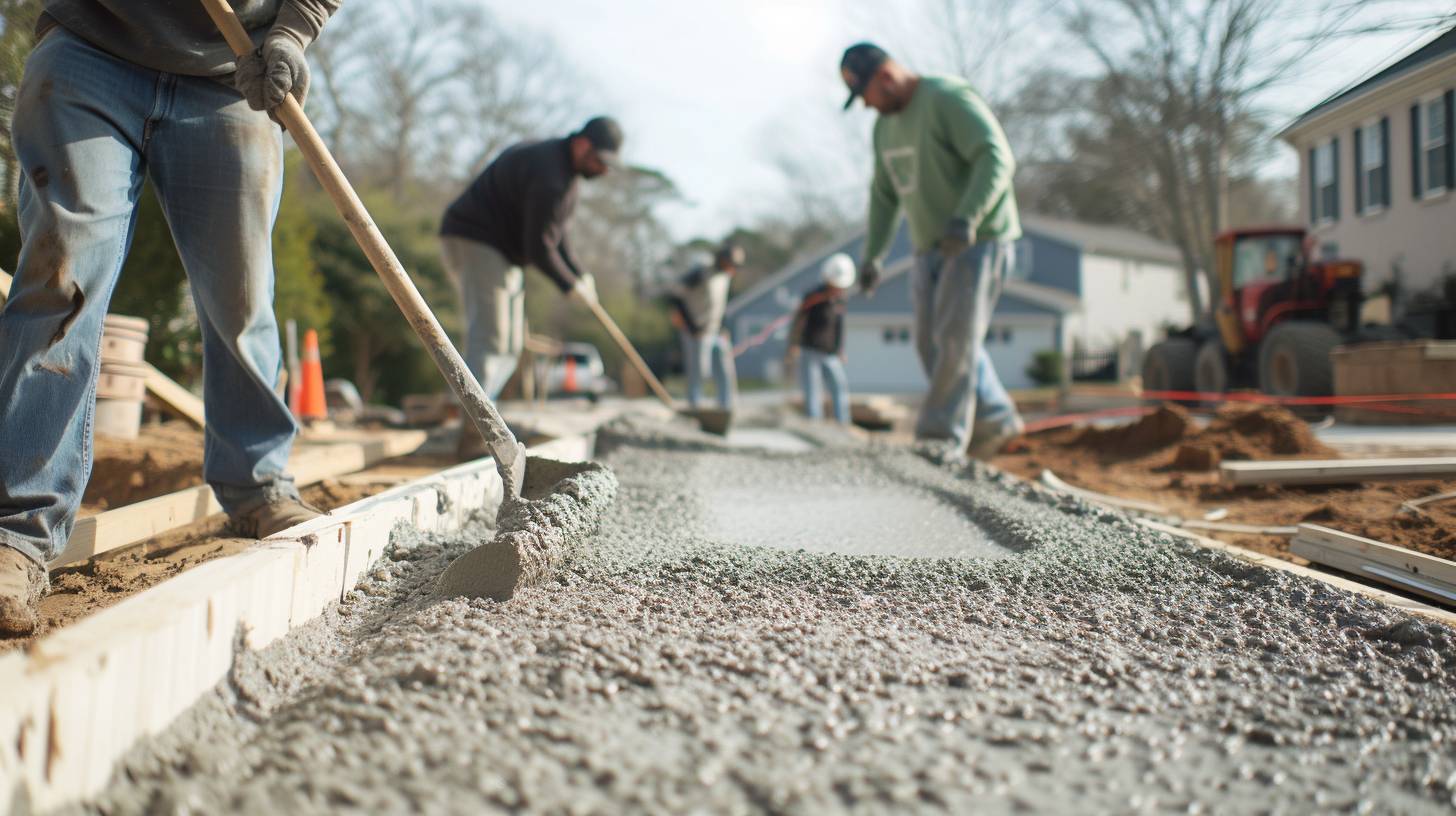
Foundation contractors offer a range of services including site evaluation, soil testing, foundation design, excavation, concrete pouring, and waterproofing. They also handle piling, shoring, and other specialized techniques necessary for complex projects.
3. Challenges in the UAE Construction Market
The UAE's construction market presents unique challenges such as high temperatures, sandy soil, and occasional seismic activity. Foundation contractors must adapt their methods and materials to withstand these conditions, ensuring durability and safety.
4. Regulations and Standards
Foundation contractors in the UAE must adhere to strict building codes and regulations set by local municipalities and authorities. These standards ensure that all construction projects meet specific safety and quality benchmarks.
5. Cost Factors
The cost of foundation work depends on several factors, including the size and complexity of the project, soil conditions, and the type of foundation required. Material costs and labor rates also influence the overall price.
Top Local Foundation Contractors for Skyscraper Projects
Foundation contractors are essential for skyscraper projects. They ensure the structural integrity and stability of these towering structures.
1. Expertise in Deep Foundations
Skyscraper foundations often require deep foundation systems. These systems include piles, caissons, and other techniques to reach stable soil or bedrock. Local contractors with experience in these methods are highly valued. They understand the specific geological conditions of the region.
2. Experience with Large-Scale Projects
Contractors need experience in handling the complexities of skyscraper projects. This includes managing large teams, coordinating with various stakeholders, and adhering to strict timelines. A proven track record in similar projects is a key indicator of capability.
3. Knowledge of Local Regulations and Codes
Local contractors are familiar with building codes and regulations specific to the area. This knowledge ensures compliance and avoids potential delays or legal issues. They can navigate the permitting process efficiently.
4. Reputation and References
A strong reputation and positive references are crucial. These provide assurance of the contractor's reliability and quality of work. Checking online reviews and seeking recommendations from other developers can be helpful.
5. Use of Advanced Technology
Modern foundation work relies on advanced technology. This includes GPS-guided equipment, 3D modeling, and real-time monitoring systems. Contractors who invest in and utilize these technologies can deliver more precise and efficient results.
6. Commitment to Safety
Safety is paramount in skyscraper construction. Contractors must have a robust safety program and a proven record of minimizing accidents. Regular training and adherence to safety protocols are essential.
7. Cost-Effectiveness
While quality is the primary concern, cost-effectiveness is also important. Contractors should provide transparent pricing and demonstrate their ability to manage budgets effectively. Value engineering can help optimize costs without compromising quality.
Innovative Interior Fit-out Solutions in Dubai
Dubai's interior fit-out sector is marked by rapid innovation, driven by the city's architectural ambition and diverse cultural influences. New technologies and sustainable practices are reshaping how spaces are designed and constructed.
1. Smart Technology Integration
Integration of smart technology is a key trend. This includes automated lighting, climate control, and security systems. These features enhance efficiency and user experience, particularly in commercial spaces.
2. Sustainable Materials and Practices
There's a growing demand for eco-friendly options. Contractors are increasingly using recycled materials, low-VOC paints, and energy-efficient systems. This reduces environmental impact and contributes to LEED certifications.
3. Modular and Flexible Designs
Modular construction is gaining popularity for its speed and adaptability. Prefabricated components allow for faster installation and easier reconfiguration of spaces. This is particularly beneficial for retail and office environments.
4. Customization and Personalization
Clients are seeking unique, personalized spaces. Fit-out companies offer bespoke design services, incorporating custom-made furniture, art installations, and branding elements. This creates distinctive and memorable environments.
5. BIM and Digitalization
Building Information Modeling (BIM) is transforming project management. BIM allows for detailed 3D modeling, clash detection, and improved coordination between different trades. This results in fewer errors and more efficient construction.
Affordable and Green Building Practices in the UAE
The UAE is increasingly focused on sustainable and cost-effective construction methods. These practices aim to reduce environmental impact while keeping projects economically viable.
1. Sustainable Materials
Using locally sourced and recycled materials reduces transportation costs and environmental footprint. Examples include using recycled concrete aggregate and locally sourced timber. These materials often have lower embodied energy compared to imported options.
2. Energy-Efficient Design
Passive design strategies, such as optimizing building orientation and using shading devices, minimize the need for artificial lighting and cooling. High-performance insulation and energy-efficient windows further reduce energy consumption.
3. Water Conservation
Implementing water-saving fixtures and rainwater harvesting systems can significantly decrease water usage. Greywater recycling systems, which reuse water from showers and sinks for irrigation, are also becoming more common.
4. Waste Management
Effective construction waste management plans minimize landfill waste. Sorting and recycling materials like metal, wood, and concrete reduces disposal costs and promotes resource recovery.
5. Green Certifications
Seeking green building certifications like LEED (Leadership in Energy and Environmental Design) or Estidama can provide a framework for sustainable design and construction practices. These certifications often lead to long-term cost savings and enhanced building value.
Selecting the Best Construction Contractors in Dubai
Dubai's construction sector is booming, making the selection of a suitable contractor crucial for project success. Understanding the key factors and navigating the process is essential.
1. Define Project Requirements
Clearly outline the project's scope, budget, and timeline. This will help narrow down contractors with relevant expertise and resources. Detailed specifications minimize misunderstandings and ensure accurate bidding.
2. Verify Licensing and Insurance
Ensure the contractor possesses a valid Dubai Municipality license. Confirm they have adequate insurance coverage, including public liability and worker's compensation. This protects against potential liabilities during construction.
3. Review Portfolio and References
Examine the contractor's past projects to assess their capabilities and style. Request references from previous clients to gauge their satisfaction with the contractor's performance, communication, and problem-solving skills.
4. Evaluate Expertise and Specialization
Determine if the contractor has experience in similar projects. Some specialize in residential, commercial, or industrial construction. Matching their expertise to your project's needs ensures quality and efficiency.
5. Assess Financial Stability
Inquire about the contractor's financial health. A stable contractor is less likely to encounter delays or abandon the project due to financial difficulties. Request financial statements or seek credit references.
6. Compare Bids and Contracts
Obtain multiple bids from qualified contractors. Compare them carefully, considering not only the price but also the scope of work, materials, and timeline. Scrutinize the contract for clear terms, payment schedules, and dispute resolution mechanisms.
7. Communication and Collaboration
Choose a contractor who communicates effectively and is responsive to your concerns. A collaborative approach fosters a positive working relationship and ensures that the project stays on track. Regular site meetings and progress reports are vital.
8. Safety Record and Compliance
Prioritize contractors with a strong safety record. Check their compliance with Dubai Municipality's safety regulations and industry best practices. A safe work environment minimizes accidents and delays.
| Contractor Evaluation Criteria | Importance Level |
| Licensing and Insurance | High |
| Project Portfolio | High |
| Financial Stability | Medium |
| Communication Skills | Medium |
| Safety Record | High |
Data Source: Dubai Municipality Contractor Guidelines, 2024.
Q&A
Question 1: What are the key services provided by foundation contractors in the UAE, and what challenges do they face in this market?
Answer: UAE foundation contractors offer site evaluation, soil testing, foundation design, excavation, concrete pouring, waterproofing, piling, and shoring. Key challenges include high temperatures, sandy soil, and occasional seismic activity, requiring adaptation of methods and materials to ensure durability and safety.
Question 2: What are the major cost factors influencing foundation work in the UAE, and what percentage of the total cost do they represent (based on the provided data)?
Answer: Material costs (concrete, steel) account for 30-40%, labor costs for 25-35%, equipment rental for 10-15%, and site preparation & soil testing for 5-10% of the total cost of foundation work in the UAE.
Question 3: What are some crucial considerations when selecting a foundation contractor for a skyscraper project in the UAE?
Answer: For skyscrapers, crucial considerations include expertise in deep foundations (piles, caissons), experience with large-scale projects, knowledge of local regulations, a strong reputation, use of advanced technology, a commitment to safety, and cost-effectiveness.
Question 4: Beyond foundation work, what are some notable innovative trends in Dubai's construction and interior fit-out sectors?
Answer: Dubai's interior fit-out sector is innovating with smart technology integration (automated systems), sustainable materials and practices (recycled materials, energy efficiency), modular and flexible designs, customization and personalization, and the use of Building Information Modeling (BIM) for improved project management. Sustainable and cost-effective building practices are also gaining traction throughout the UAE.