
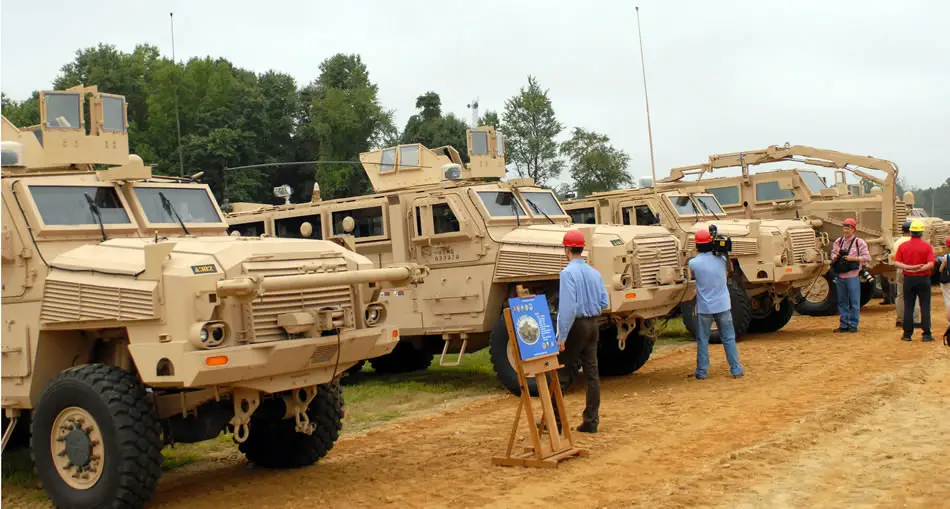
Decoding the Auction Process: A Buyer's Guide
Entering the world of public sales can seem daunting at first, but with a clear understanding of the process, you can confidently participate and potentially snag a great deal. This section provides a roadmap for navigating these auctions, from initial research to final purchase.
1. Research and Preparation
Before diving into the auction itself, thorough research and preparation are key. Understanding what's available and the auction's specific rules will save you time and prevent costly mistakes.
Start by defining what type of vehicle or equipment you're looking for. Are you interested in a classic utility model, a heavy-duty truck, or specific machinery? Knowing your needs will help you narrow your search and avoid impulse purchases. Many government agencies and private companies host these sales. Research online to find reputable auction sites and review their catalogs. Pay attention to the types of vehicles and equipment typically offered, as well as the auction schedules. Each auction has its own set of rules and regulations. Carefully review these rules before participating. This includes understanding bidding increments, payment terms, inspection periods, and removal deadlines. Failure to comply with the rules can result in penalties or loss of your bid. Thorough preparation can significantly increase your chances of success and prevent unexpected complications during the bidding process.
2. Inspection and Evaluation
One of the most crucial steps in the auction process is the inspection and evaluation of the vehicles or equipment you're interested in. This allows you to assess their condition and determine a fair bidding price.
Most auctions offer designated inspection periods where you can physically examine the items being sold. Take advantage of this opportunity to thoroughly inspect the vehicles or equipment you're interested in. Carefully evaluate the condition of the vehicles or equipment. Look for signs of damage, rust, or wear and tear. If possible, start the engine and test the functionality of various components. If you're not familiar with these types of vehicles or equipment, consider bringing along a mechanic or expert who can help you assess their condition and potential repair costs. Their expertise can provide valuable insights and help you make an informed decision. A professional inspection can reveal hidden issues that may not be apparent to the untrained eye, potentially saving you from costly repairs down the line.
3. Bidding and Acquisition
The bidding process is where you compete with other potential buyers to acquire the vehicle or equipment you desire. Understanding bidding strategies and payment procedures is essential for a successful outcome.
Before you start bidding, establish a clear budget and stick to it. It's easy to get caught up in the excitement of the auction and overbid. Having a predetermined limit will help you avoid making impulsive decisions. There are various bidding strategies you can employ, such as incremental bidding or aggressive bidding. Choose a strategy that aligns with your budget and risk tolerance. Once you've won a bid, you'll need to understand the payment terms and removal procedures. Most auctions require payment within a specified timeframe, and you'll be responsible for removing the vehicle or equipment from the auction site. Be sure to arrange for transportation and any necessary permits or paperwork. Successfully navigating the bidding process requires a combination of strategy, discipline, and attention to detail.
Beyond the Battlefield: Civilian Applications of Military Vehicles
Many might think that vehicles once purposed for defense are only suitable for combat. However, a growing trend reveals that these rugged machines are finding diverse and innovative uses in civilian life. Public sales have become a crucial gateway for individuals and organizations seeking durable and versatile transport solutions.
1. New Roles for Retired War Machines
Retired utility vehicles, such as armored vehicles and other support models, are being repurposed for a variety of civilian applications. Imagine a support model, once used for patrols, now navigating challenging off-road trails for recreation. Or another providing safe and reliable transport in emergency response situations. These vehicles are not just relics of the past; they are being adapted to meet the needs of the present.
Military trucks are being integrated into industries like logging and mining, where their durability and off-road performance are highly valued. The robustness of these vehicles makes them ideal for handling demanding tasks in harsh environments. Even armored personnel carriers are being modified for firefighting, disaster relief, and infrastructure projects in remote areas. The adaptability of these machines makes them valuable assets in various sectors.
2. The Appeal of Military-Grade Durability
The key driver behind this trend is the inherent durability and reliability of these vehicles. Built to withstand extreme conditions and demanding operational requirements, these machines offer a level of robustness that is often unmatched by commercially available vehicles. This makes them particularly attractive for applications where reliability is paramount.
Private buyers are increasingly participating in these auctions, driven by an interest in unique vehicles and a growing community of hobbyists. The appeal lies not only in the vehicles’ ruggedness but also in their unique character and history. This trend is further fueled by the desire for vehicles that can handle extreme conditions, whether for off-road adventures or essential services in challenging environments. The combination of durability and historical significance makes these vehicles highly desirable.
3. Innovations in Repurposing and Adaptation
The civilian adaptation of these vehicles extends beyond simply using them as they are. Innovations in repurposing are leading to exciting new applications. For example, armored vehicles are being converted into mobile command centers for emergency services, providing a secure and versatile platform for coordinating disaster response efforts.
Furthermore, some vehicles are being retrofitted with renewable energy systems, making them suitable for sustainable farming and other eco-friendly applications. Technological upgrades are transforming these vehicles into more efficient and environmentally conscious machines. This innovative approach not only extends the lifespan of these vehicles but also contributes to a more sustainable future. The creativity in adapting these vehicles for new purposes is truly remarkable.
4. Addressing Challenges and Considerations
While the civilian use of these vehicles presents many opportunities, it also comes with challenges. Maintenance costs can be a significant factor, as these vehicles often require specialized parts and expertise. Regulations and legal considerations also need to be addressed to ensure safe and compliant operation.
Specialized training is often necessary for civilian operators to handle these vehicles safely and effectively. Compliance with local laws and regulations is also essential. However, overcoming these challenges can unlock significant potential, leading to the expansion of markets in specialty vehicle rentals and tourism. Careful planning and preparation are essential for successful civilian use.
5. Economic and Social Impact
Public sales and the subsequent repurposing of these vehicles have a positive economic impact on local communities. They create opportunities for entrepreneurial ventures, support the aftermarket service industry, and contribute to rural development projects. The integration of these vehicles into various sectors stimulates economic activity and creates jobs.
Moreover, the strategic role these auctions play in supporting disaster response capabilities is invaluable. By providing access to rugged and reliable vehicles, these auctions enhance communities' ability to respond effectively to emergencies. They also foster innovation and creativity in repurposing technology for the benefit of society. The overall impact of these auctions extends far beyond just the sale of vehicles.
Finding the Perfect Match: Types of Military Vehicles Available
These sales present a diverse array of options, catering to various interests and needs. While specific models and availability can vary, understanding the common categories is a great starting point.
1. The Iconic Jeep
The Jeep, particularly the Willys MB and its successors, holds a special place in military history and popular culture. These vehicles are renowned for their ruggedness, simplicity, and off-road capabilities. At auctions, you might find restored models, original condition vehicles needing some TLC, or even modified versions for specific purposes. Owning a classic utility model is not just about acquiring a vehicle; it's about owning a piece of history. These are highly sought after, so expect some competition at the auction. The Jeep's enduring appeal makes it a popular choice for collectors and enthusiasts alike.
2. Versatile Utility Vehicles
Beyond the Jeep, many other utility vehicles have served in various roles. These can include trucks of different sizes, ambulances, and personnel carriers. These vehicles often boast impressive durability and the ability to traverse challenging terrain. If you're looking for a practical vehicle for off-road adventures, farm work, or even just a unique conversation starter, a utility vehicle might be the perfect choice. Remember to check local regulations regarding the roadworthiness and modifications needed for civilian use. The versatility of these vehicles makes them suitable for a wide range of applications.
3. Heavy Machinery and Equipment
These sales aren't just about vehicles that drive; they also feature a range of heavy machinery and equipment. This can include construction equipment like bulldozers and excavators, generators, trailers, and specialized tools. This type of equipment can be invaluable for construction companies, farmers, or anyone needing robust and reliable machinery. Before bidding, thoroughly inspect the equipment's condition and ensure you have the means to transport and maintain it. The availability of heavy machinery adds another dimension to these sales, catering to a different set of needs.
4. Exploring Less Common Finds
While Jeeps, trucks, and heavy machinery are common, these sales can occasionally surprise you with more unusual finds. This could include specialized vehicles like communication trucks, fire trucks, or even aircraft ground support equipment. These unique items can be fascinating for collectors, museums, or individuals with very specific needs. Be prepared to do your research, as information on these less common items might be scarce. The potential for discovering rare and unusual items is one of the most exciting aspects of these sales.