
1. What Are Dental Implants?
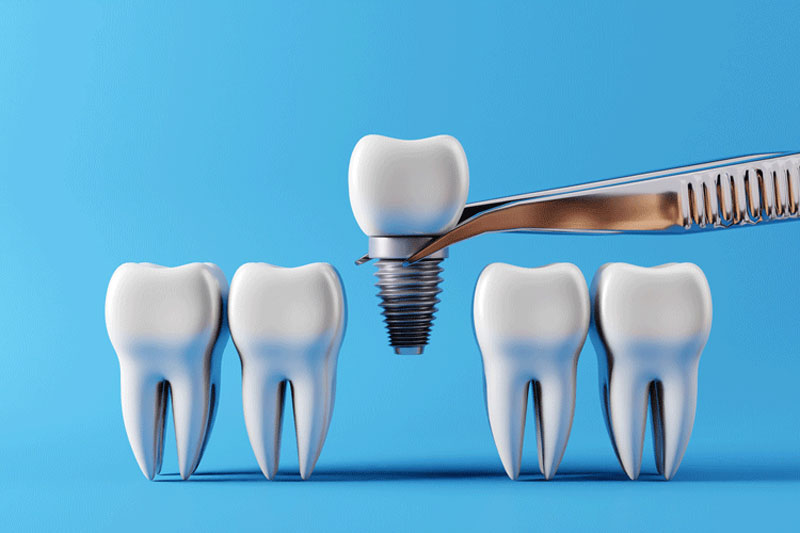
Dental implants are metal posts, typically made of titanium, that are surgically placed into the jawbone to replace the roots of missing teeth. These implants serve as a foundation for attaching artificial teeth, such as crowns, bridges, or dentures.
1.1 Structure of a Dental Implant
A dental implant consists of three main parts: the titanium post, the abutment, and the prosthesis. The titanium post is inserted into the jawbone and acts as an artificial root. The abutment connects the post to the prosthesis, which is the visible part of the replacement tooth.
1.2 Types of Dental Implants
There are different types of dental implants, including endosteal implants, which are placed directly into the bone, and subperiosteal implants, which are placed on top of the bone but under the gum. The choice of implant type depends on the patient's bone condition and the dentist's recommendations.
1.3 Benefits of Dental Implants
Dental implants offer numerous benefits, including improved appearance, enhanced stability during chewing, prevention of bone loss, and greater comfort compared to removable dentures. Additionally, they have a long lifespan when properly maintained.
2. The Dental Implant Procedure
The process of getting dental implants involves several stages, from initial evaluation to the placement of the final prosthesis. This process can take several months to complete.
2.1 Initial Evaluation and Planning
The first step is a thorough evaluation, including imaging tests like X-rays and CT scans, to assess bone condition and plan the placement of the implants. The dentist also evaluates the patient's overall oral health.
2.2 Surgical Placement of the Implant
During the surgery, the dentist makes an incision in the gum to expose the bone and insert the titanium post. After placement, the bone around the implant begins to heal and fuse with the post in a process called osseointegration, which can take three to six months.
2.3 Placement of the Abutment and Prosthesis
After osseointegration, an abutment is attached to the implant, and a custom-made prosthesis, such as a crown or bridge, is placed on top. The prosthesis is designed to match the color and shape of the patient's natural teeth, providing an aesthetic and functional result.
Table: Steps of the Dental Implant Proces
|
Step
|
Description
|
Duration
|
|
Initial Evaluation and Planning
|
Imaging tests and oral health assessment
|
1-2 appointments
|
|
Surgical Placement of the Implant
|
Insertion of the titanium post into the bone
|
1-2 hours
|
|
Osseointegration
|
Healing and fusion of the bone with the implant
|
3-6 months
|
|
Placement of Abutment and Prosthesis
|
Attachment of the abutment and custom prosthesis
|
1-2 appointments
|
Source: American Dental Association (ADA)
3. Costs and Financing Options
The cost of dental implants can vary significantly based on several factors, including the type of implant, the number of teeth being replaced, and whether additional procedures, such as bone grafts, are necessary.
3.1 Factors Influencing Costs
-
Type of Implant: Different implants have varying costs.
-
Number of Implants: More implants result in higher costs.
-
Additional Procedures: Bone grafts or sinus lifts add to the total cost.
-
Location of the Clinic: Clinics in urban areas tend to be more expensive.
3.2 Financing Options
To make dental implants more affordable, many clinics offer financing options such as payment plans, credit card installments, and partnerships with financial institutions. Additionally, some dental insurance plans may cover part of the costs, depending on the coverage.
3.3 Price Comparison
Table: Price Comparison of Dental Implants in Different Cities
|
City
|
Average Cost per Implant (USD)
|
|
New York
|
3,000 - 6,000
|
|
Los Angeles
|
2,500 - 5,500
|
|
Chicago
|
2,000 - 5,000
|
|
Houston
|
2,500 - 5,500
|
|
Miami
|
2,000 - 5,000
|
Source: Market Research 2023
4. Comparison with Other Tooth Replacement Options
Besides dental implants, there are other options for replacing missing teeth, such as fixed bridges and removable dentures. Each option has its advantages and drawbacks.
4.1 Fixed Bridges
Fixed bridges are prostheses that replace one or more missing teeth, supported by adjacent teeth. They are less expensive than implants but may compromise the structure of the supporting teeth.
4.2 Removable Dentures
Removable dentures are an affordable option for replacing multiple teeth. However, they can be uncomfortable and unstable, requiring special care for maintenance.
4.3 Comparison of Advantages and Disadvantages
Table: Comparison of Tooth Replacement Options
|
Option
|
Advantages
|
Disadvantages
|
|
Dental Implants
|
High durability, natural aesthetics, stability
|
High cost, lengthy process
|
|
Fixed Bridges
|
Lower cost, quick results
|
May compromise adjacent teeth, shorter lifespan
|
|
Removable Dentures
|
Affordable, easy to adjust
|
Discomfort, instability, special maintenance
|
Source: American Dental Association (ADA)
5. Frequently Asked Questions (FAQ)
Q1: Who can get dental implants?
Anyone with adequate oral and overall health can be a candidate for dental implants. A detailed evaluation is necessary to determine the feasibility of the procedure.
Q2: Are dental implants permanent?
Yes, dental implants are designed to be a permanent solution. With proper care, they can last a lifetime.
Q3: Is the procedure painful?
The implant surgery is performed under local anesthesia, minimizing pain during the procedure. Post-surgery discomfort can be managed with pain relievers.
Q4: How long does the treatment take?
The complete process can take three to six months, depending on the healing and integration of the implant with the bone.
Q5: Are dental implants expensive?
The costs vary, but they are generally higher than other tooth replacement options. However, the long-term benefits and durability often justify the investment.
6. The Future of Dental Implants
Technological advancements are revolutionizing dental implants, making them more accessible and efficient. Innovations like 3D printing, advanced biomaterials, and minimally invasive techniques are improving outcomes and reducing recovery time. These advancements are set to enhance patient experience, offering more effective and less invasive treatment options.
6.1 3D Printing
3D printing allows for the precise creation of custom implants and prostheses, reducing manufacturing time and improving fit and aesthetics. This technology enables the production of highly detailed models that match the unique anatomical structure of each patient, ensuring better integration and functionality of the implants.
6.2 Advanced Biomaterials
New biocompatible materials are being developed to enhance bone integration and reduce the risk of rejection. These advanced biomaterials mimic the natural bone structure, promoting faster healing and stronger bonds between the implant and the bone. Additionally, they help minimize inflammation and improve the overall success rate of dental implants.
6.3 Minimally Invasive Techniques
Minimally invasive techniques reduce surgical trauma, speed up recovery, and improve patient comfort during and after the procedure. These methods, such as computer-guided surgery and flapless implant placement, involve smaller incisions and less disruption to the surrounding tissues, leading to quicker healing times and reduced postoperative pain and swelling.
Conclusion
Dental implants are a reliable and long-lasting solution for missing teeth, offering significant aesthetic and functional benefits. Understanding the procedure, costs, and financing options is essential for making informed decisions. Technological advancements continue to improve the efficiency and accessibility of dental implants, making them a viable option for many patients.