
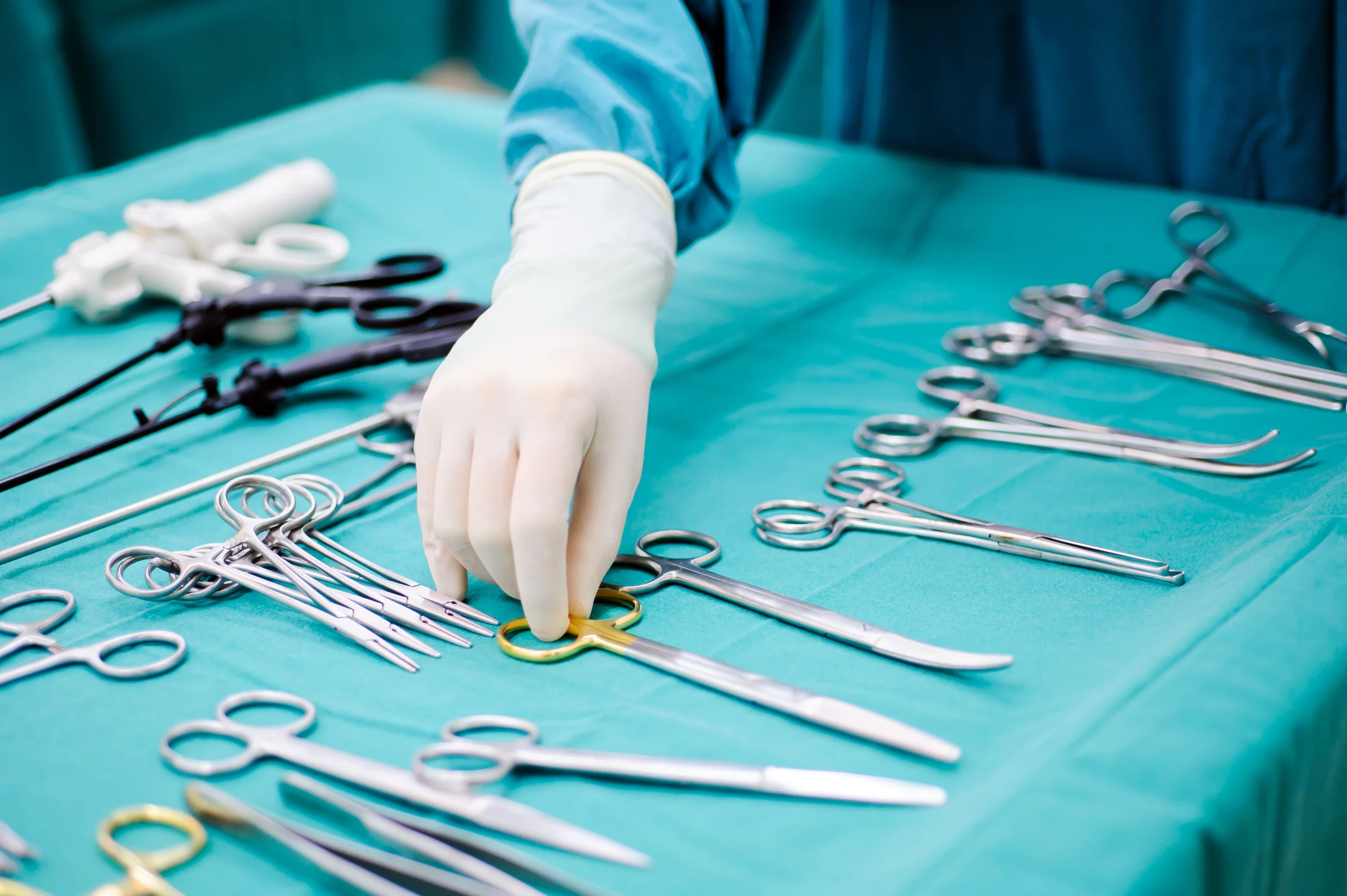
The Core Responsibilities of a Sterile Processing Technician
Instrument Cleaning and Decontamination
At the heart of a sterile processing technician's job is the meticulous cleaning of medical instruments. After surgical procedures or other medical uses, instruments are often covered in blood, tissue, and other potentially infectious materials. Technicians must first manually clean these instruments using special brushes, detergents, and water to remove gross debris. This initial step is crucial as it prepares the instruments for more in - depth decontamination processes.
Sterilization Processes
Once cleaned, the next major task is sterilization. Sterile processing technicians are well - versed in various sterilization methods. The most common method is autoclaving, which uses high - pressure steam to kill all forms of microorganisms, including bacteria, viruses, and spores. Technicians must carefully load the autoclave, ensuring that instruments are properly arranged to allow for even steam penetration. They also monitor the autoclave's temperature, pressure, and time settings to ensure that the sterilization cycle is effective.
Another method is ethylene oxide sterilization, which is used for heat - sensitive instruments like certain endoscopes and some plastic devices. However, this method requires special handling due to the toxicity of ethylene oxide gas. Technicians must follow strict safety protocols when using this method to protect themselves and others in the healthcare facility.
Inventory Management
Sterile processing technicians are also responsible for managing the inventory of medical instruments and supplies. They keep track of what instruments are available, their condition, and when they need to be replaced or repaired. In a busy hospital operating room, having the right instruments on hand is essential for the success of surgical procedures.
For instance, they might use a computer - based inventory system to record the usage, sterilization status, and maintenance history of each instrument. This helps in preventing shortages during critical procedures and also ensures that instruments are retired from service when they reach the end of their useful life.
Training and Educational Pathways
Certificate Programs
Certificate programs in sterile processing are a popular entry point into this career. These programs typically last from six months to one year. They offer a comprehensive curriculum that covers the basics of medical terminology, anatomy and physiology, infection control principles, and the different types of medical instruments and their uses.
Students in these programs also receive hands - on training in instrument cleaning, decontamination, and sterilization techniques. Many certificate programs also include an internship or clinical externship component, where students get to work in a real - world healthcare setting under the supervision of experienced sterile processing technicians.
|
Certificate Program Name
|
Program Duration
|
Tuition Cost (Approximate)
|
Clinical Hours Required
|
|
Central Sterile Services Technician Certificate at Rasmussen University
|
8 months
|
$5,500
|
120 hours
|
|
Sterile Processing Technician Certificate at Concorde Career Colleges
|
6 months
|
$4,800
|
100 hours
|
|
Healthcare Sterile Processing Certificate at Herzing University
|
10 months
|
$6,200
|
150 hours
|
Associate Degree Programs
Some individuals may choose to pursue an associate degree in sterile processing or a related field such as surgical technology. Associate degree programs usually take two years to complete. These programs offer a more in - depth education, including courses in microbiology, chemistry, and healthcare management in addition to the core sterile processing curriculum.
Graduates of associate degree programs may have an edge in the job market, as they have a broader knowledge base. They may also be more likely to advance into supervisory or management positions within a sterile processing department.
Continuing Education
Even after obtaining a certificate or degree, continuing education is crucial for sterile processing technicians. The field of healthcare is constantly evolving, with new technologies, instruments, and sterilization methods being developed. Continuing education courses help technicians stay up - to - date with the latest industry standards and best practices.
For example, new regulations regarding the disposal of medical waste or updated guidelines on infection control may require technicians to attend training sessions. Many professional organizations, such as the International Association of Healthcare Central Service Materiel Management (IAHCSMM), offer continuing education opportunities in the form of online courses, workshops, and seminars.
Competitor Analysis
Sterile Processing Technicians vs. Surgical Technologists
-
Job Duties
Surgical technologists are directly involved in the operating room during surgical procedures. They assist surgeons by preparing the operating room, handing instruments to the surgical team, and maintaining a sterile field during the operation. In contrast, sterile processing technicians work behind the scenes, focusing on the cleaning, sterilization, and maintenance of instruments before and after surgery.
-
Educational Requirements
Surgical technologists typically need an associate degree or a diploma from an accredited surgical technology program, which often includes clinical rotations in operating rooms. Sterile processing technicians can enter the field with a shorter - term certificate program, although an associate degree can enhance career prospects.
Different Training Programs
-
Cost - Effectiveness
Certificate programs are generally more cost - effective in terms of tuition fees and the time required to complete. They are a great option for individuals who want to quickly enter the workforce. Associate degree programs, on the other hand, are more expensive and time - consuming but offer a more comprehensive education and potentially better long - term career prospects.
-
Flexibility
Some certificate programs offer online or hybrid learning options, which can be more flexible for individuals who are working or have other commitments. Associate degree programs are more likely to be campus - based, requiring a more significant time commitment for attending classes and clinical rotations.
FAQs
Q1: What is the job outlook for sterile processing technicians?
A1: The job outlook for sterile processing technicians is positive. As the healthcare industry continues to grow, the demand for these professionals is expected to increase. With an aging population and the expansion of healthcare services, there will be a need for more technicians to ensure the proper sterilization of medical instruments and supplies.
Q2: Do I need to be certified to work as a sterile processing technician?
A2: While certification is not always required to enter the field, it can significantly enhance your job prospects. Certifications such as the Certified Registered Central Service Technician (CRCST) offered by the IAHCSMM are widely recognized in the industry. Many healthcare facilities prefer or even require their sterile processing technicians to be certified.
Q3: Can I advance my career as a sterile processing technician?
A3: Yes, there are opportunities for career advancement. With experience and additional education, you can move into supervisory positions within a sterile processing department. Some technicians may also choose to specialize in a particular area, such as the processing of complex medical devices or the management of high - risk sterilization processes.