
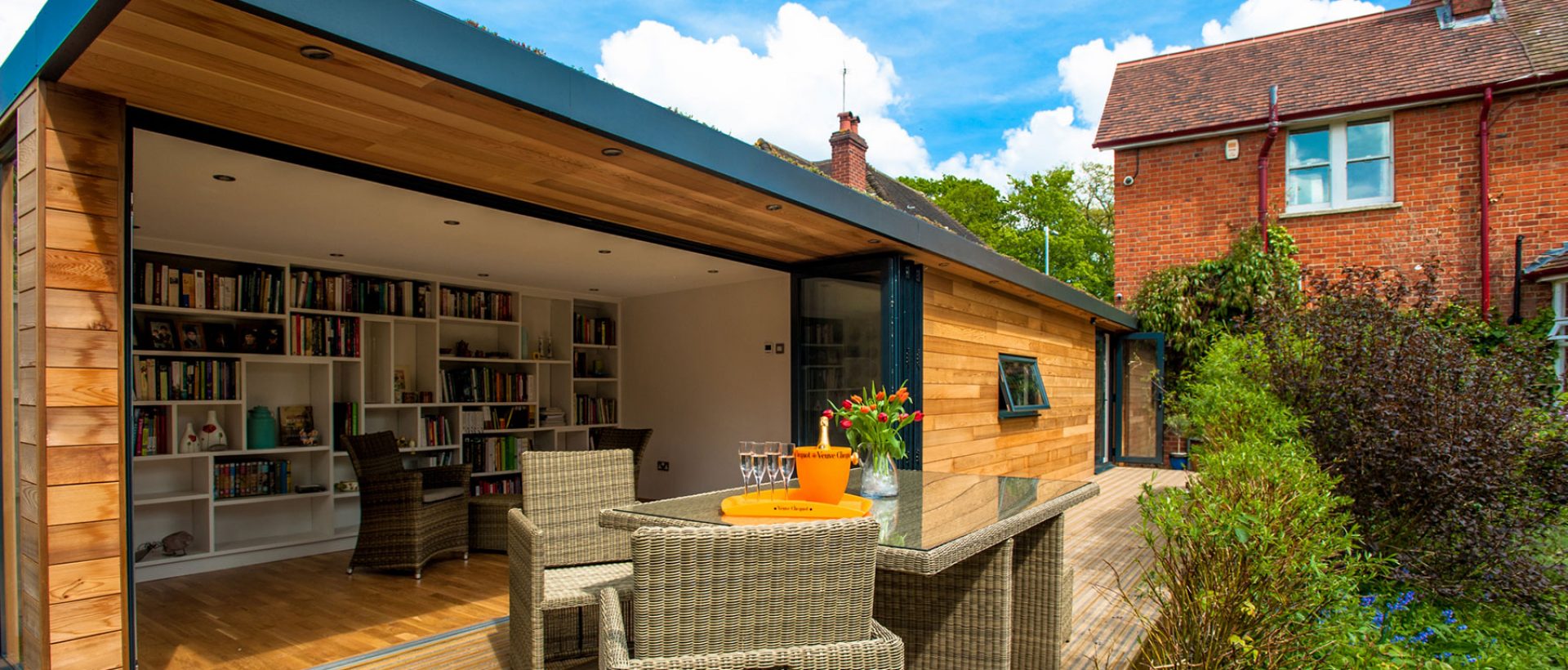
Designing Your Dream Granny Annex: Size, Style, and Location
When planning an ancillary dwelling, size, style, and location are the foundational elements. Each aspect influences the overall functionality, comfort, and integration with the existing property. Thoughtful consideration of these factors will ensure that the final result is a space that meets the needs of its occupants and enhances the property's value.
1. Size and Layout Considerations
The size of your detached dwelling will heavily depend on the available space, budget, and the needs of the intended occupant. A smaller, studio-style layout might be ideal for a single person, while a larger, multi-room design could better accommodate a couple or someone who requires more space. When it comes to designing these dwellings, remember that less is often more. A well-designed small space can feel much larger than it actually is.
2. Choosing the Right Architectural Style
The architectural style of your independent living space should complement the existing house and surrounding environment. While you don't necessarily have to match the style exactly, strive for a cohesive look that integrates seamlessly. This means paying attention to details like the roofline, siding, and window styles. A well-designed addition should look like a natural extension of the property, rather than an afterthought.
3. Location
The location of your backyard home on your property is a critical decision that affects privacy, accessibility, and integration with the main house. Consider the proximity to the main house, access points, and any potential impact on landscaping or outdoor areas. The ideal location will maximize privacy for both the occupants of the annex and the main house, while also providing convenient access to amenities and services.
Harmonious Home Extensions: Integrating the Annex Seamlessly
Creating a cohesive design between the main house and the garden suite involves careful planning and consideration of various factors, from architectural style to interior design. The goal is to make the annexe feel like a natural extension of the existing home, rather than an afterthought. This not only enhances the aesthetic appeal of the property but also contributes to a more comfortable and enjoyable living experience for all occupants. Let's explore some key elements in achieving a truly harmonious integration.
1. Architectural Harmony
When designing a backyard cottage, mirroring the architectural style of the main house is a fantastic starting point. This could involve replicating rooflines, window styles, and exterior cladding materials. For example, if your home has a pitched roof and brick facade, consider incorporating these elements into the annexe design. Paying attention to these details helps the annexe blend seamlessly with the existing structure, creating a visually unified and appealing property.
Think about the flow of the landscape too. Are there established garden features? Can the annexe be positioned to complement existing trees or flowerbeds? This natural integration can further enhance the feeling of cohesion. Ultimately, the goal is to make the annexe look like it was always meant to be there, adding value and charm to your property. This careful attention to architectural details ensures that the new structure enhances, rather than detracts from, the overall property aesthetic.
2. Interior Design Continuity
Extending the interior design themes from the main house into the independent living space is another essential aspect of seamless integration. This doesn't mean the annexe needs to be a carbon copy of the existing home, but rather that there should be a consistent thread running through both spaces. A sense of cohesion can be achieved through the strategic use of color, materials, and furniture styles.
Consider using a similar color palette, flooring materials, and hardware finishes. For instance, if your main house features a modern minimalist aesthetic with neutral colors and clean lines, try to incorporate these elements into the annexe. Shared lighting fixtures, furniture styles, and even artwork can further enhance the sense of continuity. The key is to create a visual link between the two spaces, so they feel connected and part of a cohesive whole. This consistent design approach contributes to a more harmonious and inviting living environment for everyone.
3. Functional Flow and Access
Thoughtful planning of access points and functional flow is critical for ensuring the annexe feels integrated with the main house. Consider how the residents of the annexe will access their space. Will there be a separate entrance, or will they share a common entryway? The choice will depend on the level of privacy desired and the overall layout of the property.
If a shared entryway is chosen, ensure that the annexe has its own clearly defined living space to maintain privacy. Connecting the annexe to the main house via a hallway or covered walkway can also be a great option, providing easy access while still maintaining a degree of separation. Moreover, think about how the annexe residents will access the garden or outdoor areas. Creating a shared patio or garden space can encourage interaction and foster a sense of community. The goal is to create a functional and comfortable living arrangement that respects the privacy of all occupants.
4. Landscape and Garden Integration
The surrounding landscape plays a crucial role in creating a harmonious connection between the main house and the detached living space. Consider extending existing garden features and landscaping elements to incorporate the annexe into the overall aesthetic of the property. This can involve planting similar types of flowers, shrubs, and trees, or creating pathways that connect the two spaces.
Planting similar types of flowers, shrubs, and trees around the annexe can help it blend seamlessly with the existing garden. Creating pathways and walkways that connect the annexe to other parts of the garden can also encourage interaction and foster a sense of community. Think about how the landscape can be used to create privacy as well. Strategically placed hedges or trees can help screen the annexe from the main house, providing a sense of seclusion while still maintaining a cohesive design.
Beyond the Build: Furnishing and Decorating Your Cozy Haven
Once the construction or conversion of your backyard structure is complete, the exciting part begins: furnishing and decorating! This is where you can truly personalize the space, making it a warm and welcoming home for its occupant. Thoughtful design and clever choices can maximize comfort and functionality, regardless of the annex's size. When it comes to creating the perfect interior, every detail matters.
1. Prioritizing Comfort and Accessibility
When selecting furniture and décor for a secondary dwelling, comfort and accessibility should be paramount. Consider the specific needs and preferences of the resident. This might involve choosing furniture that is easy to get in and out of, or incorporating features that make the space more accessible for individuals with mobility issues.
-
Ergonomic Furniture: Opt for furniture designed with ergonomics in mind, such as chairs with good lumbar support and adjustable-height tables. This is especially important for older adults or individuals with mobility issues. Comfortable seating areas are vital for relaxation and socializing.
-
Accessibility Features: Integrate features that enhance accessibility, such as grab bars in the bathroom, lever handles on doors, and easy-to-reach storage solutions. These small adjustments can make a big difference in daily life, promoting independence and safety.
-
Soft and Supportive Bedding: Invest in a high-quality mattress and bedding to ensure a restful night's sleep. Consider adjustable beds for added comfort and convenience. Soft blankets and pillows can create a cozy and inviting atmosphere.
2. Maximizing Space with Smart Storage Solutions
Accessory dwelling units are often smaller than traditional homes, so efficient use of space is crucial. Smart storage solutions can help keep the space organized and clutter-free. This might involve choosing furniture with built-in storage, or incorporating shelving units that maximize vertical space.
-
Multi-Functional Furniture: Choose furniture that serves multiple purposes, such as sofa beds, storage ottomans, and fold-away tables. These versatile pieces can adapt to different needs and save valuable space.
-
Vertical Storage: Utilize vertical space with shelving units, wall-mounted cabinets, and hanging organizers. This can free up floor space and create a more open and airy feel.
-
Built-in Storage: Consider incorporating built-in storage solutions, such as custom closets or under-bed storage drawers. These can be tailored to the specific needs of the resident and maximize storage capacity.
3. Creating a Warm and Inviting Atmosphere
Beyond functionality, it's important to create a warm and inviting atmosphere that feels like home. Personal touches and thoughtful décor can make a big difference. This might involve incorporating artwork, photographs, or other personal items that reflect the resident's personality and interests.
-
Personalized Décor: Encourage the resident to personalize the space with their own belongings, such as family photos, artwork, and cherished keepsakes. This will help them feel more comfortable and connected to their past.
-
Warm Lighting: Use a combination of ambient, task, and accent lighting to create a warm and inviting atmosphere. Dimmer switches can allow for adjusting the lighting to different moods and activities.
-
Comfortable Textiles: Incorporate comfortable textiles, such as rugs, curtains, and throw pillows, to add warmth and texture to the space. Soft fabrics can create a cozy and inviting feel. Consider using blackout curtains in the bedroom to promote better sleep.
Question and Answer
-
What are the benefits of having a Fully Fitted Granny Annexe?
A Fully Fitted Granny Annexe offers several advantages, including providing a private and independent living space for elderly relatives while keeping them close to family. It can also increase property value and provide a versatile space that can be used for guests or as a rental unit. This setup allows for easy access to family support, which is particularly beneficial for seniors who may need assistance.
-
How do Granny Unit Designs differ from traditional home designs?
Granny Unit Designs are tailored to meet the specific needs of elderly occupants, focusing on accessibility and safety. These designs often include features like single-level living, wheelchair-accessible doorways, and non-slip flooring. The layouts are typically compact and efficient, maximizing the use of space while ensuring comfort and ease of movement.
-
What factors should be considered when planning the interiors of a Granny Annexe?
When planning Granny Annexe Interiors, consider the functionality and comfort of the space. This includes selecting appropriate furniture that is easy to use and move, ensuring adequate lighting, and incorporating storage solutions that are accessible for someone with limited mobility. It’s also important to consider the aesthetic preferences of the occupant to create a homely and inviting environment.
-
What are some popular uses for Small Granny Annexes besides housing elderly relatives?
Small Granny Annexes can serve multiple purposes beyond accommodating elderly family members. They can be transformed into home offices, guest houses, or rental units to generate additional income. These versatile spaces can also be used as studios for hobbies or art, providing a quiet retreat away from the main household.
-
What are the legal considerations when building a Granny Unit in English-speaking countries?
Building a Granny Unit may require specific permits and adherence to local zoning laws and building codes. It's important to consult with local authorities to understand the regulations regarding size, placement, and use of the unit. Homeowners should also consider the impact on property taxes and insurance. Consulting with a professional architect or planner can help navigate these legal requirements effectively.