
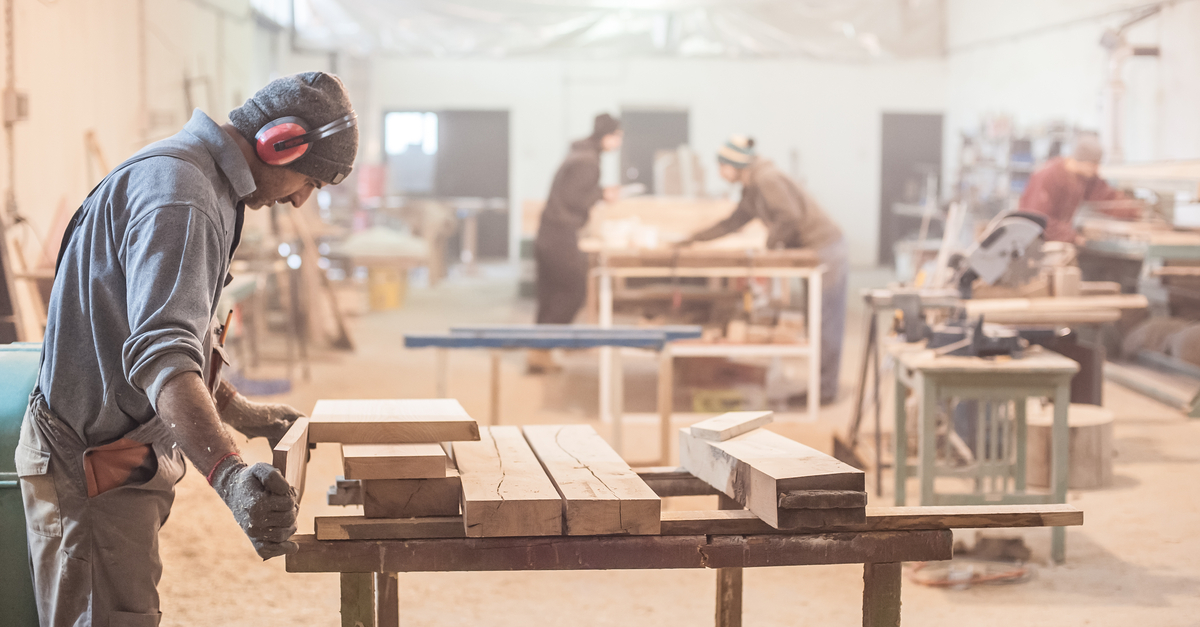
Masterpieces in the Making: The Artistic Side of Carpentry
Carpentry isn't just about construction; it’s also about creating beautiful and functional pieces. From the intricate details of custom furniture to the elegant curves of a handcrafted staircase, carpentry merges utility with artistry to form unique creations. Each project showcases an artisan's ability to transform raw materials into practical yet visually engaging works, and the depth of this craft goes far beyond traditional perceptions.
The Fusion of Function and Beauty
At its core, carpentry is the skill of manipulating wood to serve a function. However, true craftsmanship does not sacrifice beauty for practicality. Skilled carpenters strive to blend aesthetics with utility across every project, from selecting the ideal wood grain for a cabinet door to marrying structural strength with visual elegance. Consider the difference between a mass-produced shelf and a custom-built bookcase crafted from reclaimed wood, adorned with unique inlays and finishes. The latter exemplifies carpentry's artistic potential, turning the mundane into a focal point of beauty and utility.
Precision and Attention to Detail
An artisan's touch in carpentry is defined by precision and meticulous attention to detail. Every cut, joint, and finish is executed with care, reflecting the carpenter's commitment to perfection. Mastery of methods like dovetail or mortise-and-tenon joints distinguishes skilled craftsmen, who select lumber with consistent grains and minimal defects to elevate their work's aesthetic appeal. The pursuit of flawlessness is the hallmark of a carpenter's craft, ensuring every piece is both structurally sound and visually impeccable.
The Role of Design in Carpentry
While carpenters often work from designs by architects or designers, many engage directly in the creative process. This involves understanding client needs and translating them into detailed plans—the domain of carpenters who merge technical prowess with creative vision. Whether conceptualizing an island to complement existing architecture or creating custom storage solutions for unique client needs, design-focused carpenters craft environments that are not only functional but resonant with personal style and preference.
Restoration and Preservation
In restoration and preservation, carpentry's artistic aspect ensures historical fidelity and practical utility. Carpenters take on the role of conservator, employing traditional techniques to restore or replicate intricate moldings and repair aged carvings. In working on historical buildings or antique furnishings, they blend technical skill with a dedication to cultural and historical accuracy—like meticulously restoring a centuries-old window using traditional methods and materials.
Expressing Individuality
Ultimately, carpentry shines as a medium for individual expression. Every choice—from materials and design to construction techniques—offers opportunities for creativity. Craftsmen put personal stamps on projects, often innovating with finishes or materials, showcasing their unique styles, or crafting items from reclaimed wood to impart history and character. This individual expression is what transforms a simple trade into a celebrated art form.
Building Futures: Opportunities in Carpentry and Woodworking
Carpentry and woodworking are fields providing a vast array of opportunities. This isn't just work with lumber—it's about constructing futures, whether through building family homes, crafting extraordinary furniture, or innovating within sustainable frameworks. Here, we explore the potential paths within this rewarding trade.
Exploring the Diverse Roles within Carpentry
Carpentry encompasses myriad specializations, each offering unique attractions and challenges. Aspiring carpenters can find their niche by understanding the diverse roles available in this ever-evolving field.
Framing Carpenters: Building the Foundation
Framing carpenters form the backbone of construction projects, responsible for assembling the structural framework that supports walls, ceilings, and roofs. Their work requires combining physical strength with a comprehensive understanding of building codes and structural requirements. Physical stamina, precision, and a robust understanding of architectural plans are crucial as they ensure the structural integrity essential for other trades to build upon.
Finish Carpenters: The Craft of Completion
Finish carpenters focus on the visible elements of construction, crafting the components that define the aesthetic of a building, such as trim, molding, and cabinetry. A finish carpenter excels in paying attention to detail, using precision to enhance interior spaces, and applying their skills with hand and power tools to achieve seamless integration that speaks to both beauty and functionality.
Cabinet Makers and Joiners: Artistic Woodworking
Specializing in detailed woodwork, cabinet makers and joiners create bespoke furniture and intricate wooden elements. Their skills are essential in fashioning kitchens, unique cabinetry, and custom designs, requiring high levels of craftsmanship and creativity. Mastery over woodworking techniques and tools allows these professionals to produce artistic yet functional items that cater to individual client specifications.
The Woodwork Renaissance: Exploring Carpentry Jobs and Trends
Today, carpentry finds itself amidst a renaissance driven by sustainability, technological advances, and revived appreciation for handcrafted goods. This transformation opens new avenues for skilled artisans while also introducing modern challenges.
Sustainable Practices in Carpentry
As environmental awareness grows, sustainable building practices are no longer optional but essential. Carpenters are pivotal in this shift, incorporating eco-friendly materials, energy-efficient designs, and practices aimed at waste reduction. Knowledgeable about certifications and sustainable materials, forward-thinking carpenters are positioned at the forefront of the green movement in construction, reshaping the industry with sustainably developed homes and commercial spaces.
Technological Advancements Reshaping Carpentry
Technology integrates deeply into carpentry through tools like CAD software, CNC machines, and laser levels—enhancing precision and efficiency. As automation becomes more prevalent, carpenters adept in digital tools and tech-operated machinery gain a competitive edge, facilitating complex design creation while improving overall workflow and maintaining high safety standards on job sites.
The Persistent Demand for Skilled Carpenters
Even as technology advances, the demand for skilled labor persists, driven by the retirement of experienced workers and increasing construction needs. This creates a ripe opportunity for new entrants into the trade to flourish through apprenticeships and ongoing training programs. Emphasizing adaptability, these avenues train the next generation in both traditional crafts and contemporary methodologies, supporting the ever-growing need for skilled carpenters.
In conclusion, the woodworking renaissance not only revitalizes the carpentry field but also introduces myriad opportunities for those involved. Whether through sustainable practices, specialized skills, or technological advancements, the future of carpentry is rich with potential, inviting skilled workers to shape our environments lovingly and intelligently.
Q&A
-
What are some effective ways to find carpenter jobs near me?
To find carpenter jobs near you, consider using online job portals like Indeed, Glassdoor, and LinkedIn, which often list local job opportunities. Additionally, visiting local hardware stores or lumber yards can provide networking opportunities, as they often have bulletin boards with job postings. Joining local trade associations or carpentry groups can also connect you with potential employers in your area.
-
How can I increase my chances of being hired as a carpenter?
To enhance your employability as a carpenter, focus on building a strong portfolio showcasing your completed projects and skills. Obtain relevant certifications or licenses that might be required in your region. Networking with other professionals in the field and maintaining a professional presence on platforms like LinkedIn can also increase your visibility to potential employers.
-
What should I consider when looking for carpentry subcontractor jobs?
When searching for carpentry subcontractor jobs, it's important to evaluate the scope of work, contract terms, and payment schedules. Ensure that the job aligns with your skills and expertise. Establishing a clear communication line with the general contractor and understanding the timeline for the project are crucial for a successful subcontracting experience.
-
Where can I find opportunities for woodworking projects in my community?
Opportunities for woodworking projects can often be found through local community centers, craft fairs, and workshops that promote handmade goods. Participating in local events or joining woodworking clubs can also lead to project collaborations. Additionally, online platforms like Etsy provide a venue for showcasing and selling woodworking projects.
-
What skills are essential for a successful career in woodworking?
Essential skills for a successful career in woodworking include proficiency in using hand and power tools, understanding of wood types and their properties, and the ability to read and interpret blueprints. Creativity, attention to detail, and problem-solving abilities are also important. Continuous learning and adapting to new techniques and technologies in woodworking can further enhance your career prospects.
References: