
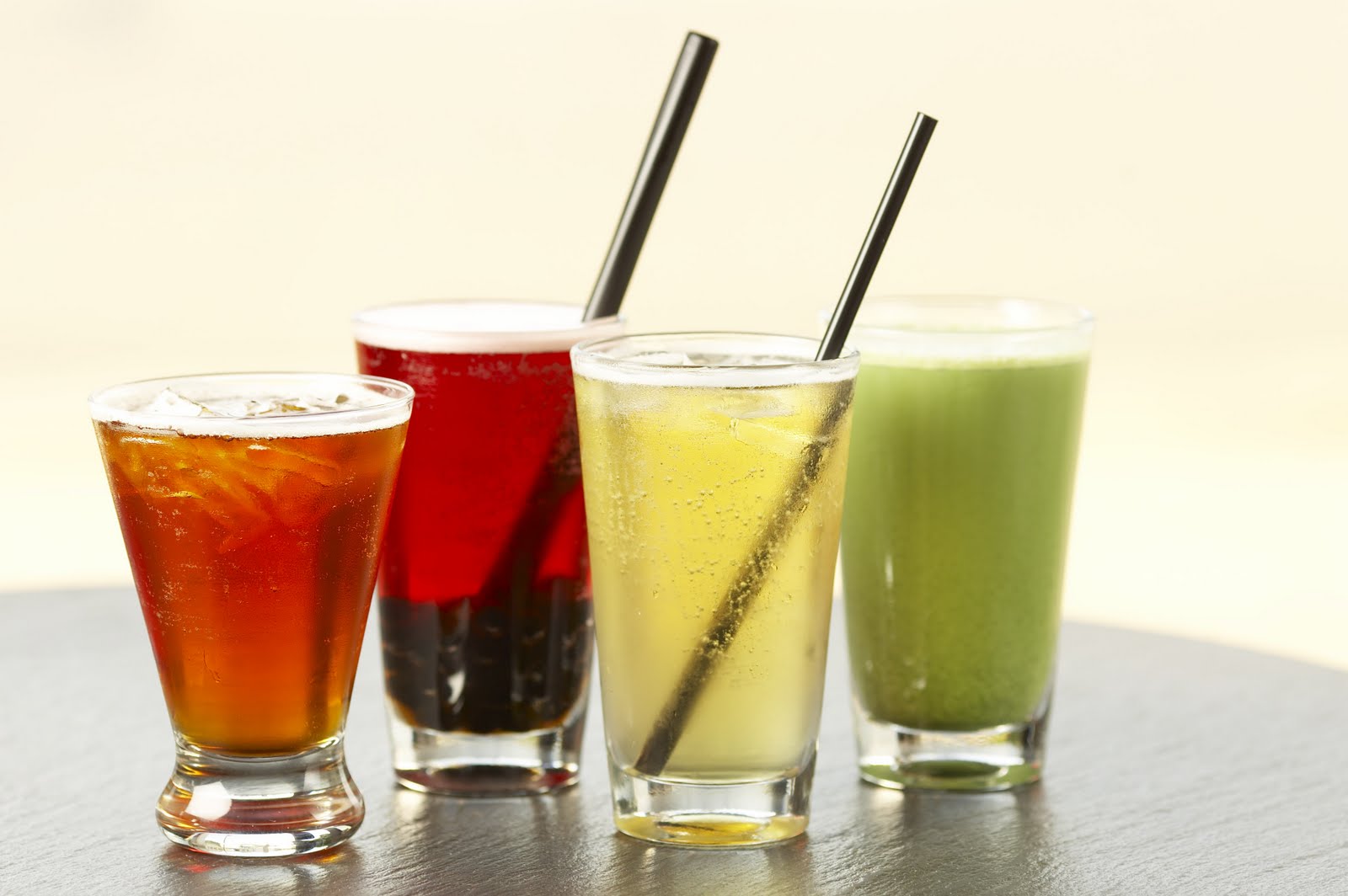
You Should Be Careful with These Drinks
1. Hot Beverages: When Temperature Becomes the Threat
While the type of beverages we consume—such as coffee, tea, or maté—often comes under scrutiny for its health impacts, emerging research underscores that the temperature at which we drink may be just as critical, if not more so. Specifically, the habitual consumption of any beverage hotter than 65°C (149°F) has been strongly linked by the World Health Organization (WHO) to a significantly elevated risk of developing esophageal squamous cell carcinoma, a common form of throat cancer.
The underlying biological mechanism for this is a process of repeated thermal injury and repair. When you drink an extremely hot liquid, it scalds the delicate epithelial cells that line the esophagus. This burn causes immediate inflammation and damage to the mucosal tissue. While the body is remarkably adept at repairing such damage, the problem arises from chronic, repetitive exposure. Each subsequent sip of a scalding drink re-injures the tissue before it has fully healed, creating a vicious cycle.
2. Alcohol: A Major Preventable Risk Factor
The statement that alcohol is a significant carcinogen is strongly supported by a wealth of scientific evidence. It is classified as a Group 1 carcinogen by the International Agency for Research on Cancer (IARC), placing it in the highest category alongside substances like asbestos and tobacco, meaning there is sufficient evidence of carcinogenicity in humans. Its detrimental effects are not confined to heavy or binge drinkers; even moderate consumption has been consistently linked to an elevated risk of all-cause mortality, underscoring that there is no perfectly "safe" level of intake regarding cancer risk.
3. Artificial Sweeteners and Energy Drinks: Undermining Treatment
The growing consumption of energy drinks, particularly among younger demographics, warrants careful examination of their ingredients, not just for general health but for their potential to interfere critically with medical treatments. Emerging research suggests that common components like artificial sweeteners and amino acids may have unintended and detrimental consequences for individuals undergoing cancer therapy.
Sucralose and the Gut-Immune-Oncology Axis
The link between gut health and immune function is well-established, and this is especially critical in the era of immunotherapy. Sucralose, a zero-calorie artificial sweetener, is not inert. A significant body of preclinical research indicates that it can alter the composition and diversity of the gut microbiome.
Sucralose and Metabolic Interference
Beyond the gut, sucralose appears to influence glucose metabolism. Some studies suggest it can induce glucose intolerance by altering gut bacteria and potentially affecting insulin sensitivity.
4. Sugary Juices & Ultra-Processed Beverages: The “Healthy” Illusion
Fruit juice is often marketed as healthy, but high sugar content increases obesity and metabolic risks that feed cancer. Even more concerning are ultra-processed beverages (UPFs), which have been linked to: 41% higher lung cancer risk among people consuming about 3 servings/day. Additives, excess sugar, and processed fats likely play a role in this connection.
5. Hope in Immunotherapy: A Brighter Future
- While some drinks undermine cancer care, new therapies are reshaping outcomes:
- CAR-NKT cell therapy (UCLA): Off-the-shelf, effective in ovarian and solid tumors, costing about $5,000 per dose.
- RNA cancer vaccines: Reduced melanoma recurrence by 44% (2024–2025).
- Bladder cancer immunotherapy: Checkpoint inhibitors achieved up to 81% complete response rates in organ-preserving strategies.
Beverages may seem harmless, but temperature, alcohol, sugar, and additives can all increase cancer risks — or even compromise treatment. At the same time, medical innovation is offering new hope. A holistic approach means:
- Avoiding very hot drinks and excessive alcohol
- Limiting sugary and ultra-processed beverages
- Being cautious with energy drinks, especially during cancer therapy
- Supporting treatment with healthy lifestyle choices alongside medical advances
Q&A
Q1. Why does drinking very hot beverages increase the risk of esophageal cancer?
A1: Because extremely hot liquids can damage the lining of the esophagus, and repeated injury over time may lead to cancer development.
Q2. How does alcohol contribute to cancer risk?
A2: Alcohol can damage DNA, promote chronic inflammation, and disrupt hormone regulation, all of which raise the risk of several cancers.
Q3. In what way can artificial sweeteners in energy drinks interfere with cancer treatment?
A3: They may disrupt the gut microbiome and alter metabolism, which can weaken the body’s response to immunotherapy.
Q4. Why should fruit juices and ultra-processed beverages be consumed cautiously in relation to cancer?
A4: Their high sugar content and additives can increase obesity, metabolic problems, and inflammation, which are linked to higher cancer risks.
References:
- https://www.yahoo.com/lifestyle/10-foods-drinks-avoid-cancer-233014104.html?guccounter=1&guce_referrer
- https://swdcmi.com/posts/popular-beverages-that-can-increase-your-risk-for-cancer/
- https://www.webmd.com/diet/ss/slideshow-drinks-and-your-health