
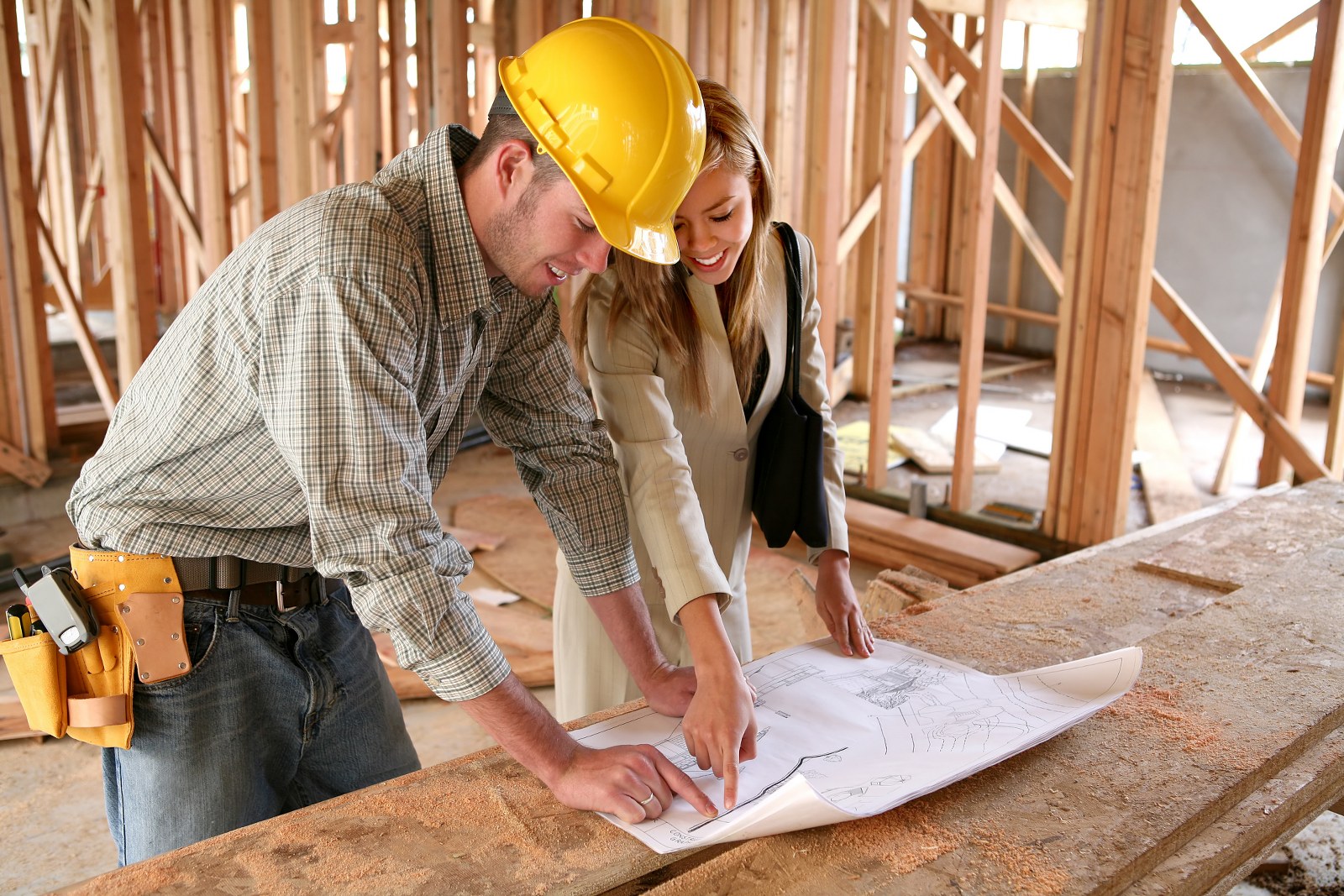
Builder Grade vs. Upgrades: Making Smart Choices for Your New Home
Choosing between builder-grade finishes and upgrades in new home construction can feel overwhelming. Understanding the costs, benefits, and how they impact your home's value is crucial for making informed decisions that align with your budget and lifestyle.
1. Understanding Base Price vs. Upgrades
The base price of a new construction home includes the standard builder-grade finishes, lot, and basic layout. Upgrades, such as premium flooring, enhanced countertops, or structural changes, significantly increase the final price. Knowing this difference helps buyers balance budget and quality when building a new home. Prioritizing upgrades that improve long-term durability and functionality is often a wise investment.
2. Smart Upgrade Strategies
Upgrading your new home doesn't have to break the bank. Simple changes like adding molding, replacing doors, or improving lighting can significantly enhance the aesthetic. Focus on impactful upgrades that maximize visual appeal and comfort while staying within your budget. It’s about personalizing your space without overspending on unnecessary features.
3. Financing Your Choices
Financing a new home often involves a base loan, with options to include upgrade costs. Some lenders allow you to roll upgrade costs into your mortgage, while others require separate financing. Understanding lender policies is crucial for budgeting and managing monthly payments. This ensures you can balance your desired upgrades with what you can comfortably afford.
4. Upgrade Costs and Value
The type of upgrade you choose impacts both the cost and the potential increase in your home's value. Consider the following ranges:
| Upgrade Type | Typical Cost Range (USD) | Description | Impact on Home Value | Notes |
|---|---|---|---|---|
| Builder Grade Finish | Included in base price | Standard materials and finishes provided by builder | Baseline value | Usually vinyl flooring, laminate counters |
| Mid-range Upgrades | $5,000 - $20,000+ | Enhanced materials like hardwood floors, quartz counters | Moderate increase | Adds $20–$50 per sq. ft. on finishes |
| High-end Customization | $20,000 - $65,000+ | Premium additions such as custom cabinetry, built-ins, additions | Significant potential increase | Bedroom additions alone can cost $25K-$65K |
Data source: Bankrate “How to finance the cost of a home addition: 2025 estimates” & CD Construction “What Does ‘Cost per Square Foot’ Mean in Home Construction? A Complete Guide” (2025)
As shown, while builder-grade finishes are included in the base price and provide baseline value, opting for mid-range upgrades like hardwood floors or quartz counters can moderately increase your home's value. High-end customizations, such as custom cabinetry or additions, have the potential for a significant increase, especially if you are adding bedrooms.
Beyond the Basics: Enhancing Value with Thoughtful Home Upgrades
New home construction offers a blank canvas, but standard builder-grade options can leave some wanting more. Thoughtful upgrades can significantly enhance a home's value and livability. Let's explore smart upgrade strategies that balance cost and impact, turning a basic build into a personalized dream home.
1. Strategic Upgrade Investments
Choosing the right upgrades is crucial. Focus on long-term value by prioritizing durability and functionality. Quality flooring and energy-efficient windows are wise investments. Be cautious about purely cosmetic upgrades that may not offer a proportional return. Understanding the difference between base price and the final asking price, which includes lot premiums and structural upgrades, helps in making informed budget decisions.
2. High-Impact Interior Enhancements
Simple interior upgrades can transform a builder-grade home. Adding molding and baseboards provides architectural interest. Upgrading lighting fixtures enhances ambiance and style. Mirrors create the illusion of more space. These cost-effective enhancements maximize visual appeal and comfort, personalizing a basic build without breaking the bank.
3. Financing and Budget Considerations
Financing a new home often includes options for upgrades. Some lenders allow upgrade costs to be rolled into the primary loan, while others require separate financing. Understanding these options is essential for budgeting. Balancing desired upgrades with budget constraints ensures affordability and avoids financial strain.
4. Current Trends in Home Improvement
The home remodeling industry continues to evolve, even with shifting homeowner budgets. Integrating natural elements through indoor-outdoor living spaces remains popular. Natural materials, earth-tone palettes, spa-like bathrooms, and multifunctional rooms are also trending. Durable materials and practical storage solutions enhance functionality and long-term value.
Balancing Budget and Luxury: Key Strategies in New Home Construction
Embarking on new home construction involves navigating a range of choices between essential features and desired upgrades. Balancing your budget with the allure of luxury requires careful planning and informed decision-making. Let’s explore effective strategies to achieve this balance.
1. Understanding Base Price vs. Upgrades
The base price of a new construction home typically covers standard builder-grade finishes and a basic layout. Upgrades, such as premium flooring and enhanced cabinetry, can significantly increase the final price. Knowing the difference helps in aligning your budget with desired quality. Consider focusing on structural upgrades that improve long-term durability.
2. Prioritizing High-Impact Upgrades
Enhance your home’s aesthetic appeal without breaking the bank by focusing on high-impact upgrades. Adding molding, replacing doors, and improving lighting fixtures are cost-effective ways to personalize a basic build. Prioritize upgrades that offer the best return on investment, ensuring functionality and visual appeal.
3. Smart Financing for New Construction
Financing often involves a base loan, with options to include upgrade costs upfront or through additional financing. Understanding lender policies on construction loans is crucial for budgeting. Informed financing choices help balance desired quality with budget constraints, making the construction process smoother.
4. Managing Material Cost Fluctuations
Construction material prices can significantly impact your budget. For instance, lumber prices have shown considerable volatility.
Financing Your Dream: Navigating Loans for Homes and Upgrades
Financing a new home involves many choices, especially when considering upgrades. Understanding how loans work with both base builds and desired customizations is key. Let’s explore how to navigate these financial waters.
1. Base Price vs. Upgrades
The base price covers the standard layout and builder-grade finishes. However, upgrades like premium flooring or better appliances can significantly increase the final price. Knowing what’s included in the base and what you’re willing to finance extra is crucial.
2. Loan Options for New Construction
Financing options include incorporating upgrade costs upfront or securing additional financing. Some lenders allow you to roll upgrade costs into the primary loan. Understanding these policies helps in budgeting and managing monthly payments.
3. Prioritizing Upgrades Wisely
Focus on upgrades that improve long-term durability and functionality, such as energy-efficient windows. Cosmetic changes might not always add proportional value. Making informed choices during construction maximizes your investment.
Is a Newly Built Home the Right Path? Weighing Pros, Cons, and Costs
Deciding between buying an existing home and building a new one involves many factors. New construction offers customization but also requires careful consideration of costs, upgrades, and financing. Let’s explore what to keep in mind when considering a newly built home.
1. Understanding the Base Price and Upgrades
The initial price quoted for a new construction home often reflects a basic model. Upgrades, such as premium flooring, better appliances, or even a more desirable lot location, can significantly increase the final price. Being aware of these potential costs from the outset can help in making informed decisions that align with your budget and desired quality. Prioritizing upgrades that enhance long-term value and functionality can be a smart move.
2. Balancing Budget and Financing
Financing a new home build typically involves a base loan, with options to include upgrade expenses. Some lenders might allow these upgrade costs to be integrated into the primary loan, while others may require separate financing. Understanding these financing options is crucial for effective budgeting. The goal is to balance the desire for quality and customization with realistic financial constraints.
3. Price Trends and Builder Incentives
The new home market shows varying price trends across different segments. For example, entry-level homes may see price decreases while high-end homes could experience increases. Builders also use incentives to attract buyers. Consider these factors when evaluating new construction.
In 2025, the new home construction market is experiencing mixed price trends, with entry-level homes decreasing by 1.1% to $325,690, while move-up and high-end homes increased by 0.4% and 2.6%, respectively. Builder pricing strategies show that 33% lowered prices, and 61% held prices flat in July. New home communities offer incentives, with 58% for to-be-built homes and 77% for quick move-in inventory.
Q&A
Question 1: What is the difference between a new home's base price and upgrades?
Answer: The base price of a new home includes standard builder-grade finishes, the lot, and the basic layout. Upgrades, such as premium flooring, better countertops, or structural changes, are additional costs that significantly increase the final price. Understanding this distinction is crucial for balancing budget and desired quality.
Question 2: What are some cost-effective upgrade strategies that can significantly enhance a home's aesthetic appeal?
Answer: Simple upgrades like adding molding, replacing doors, and improving lighting fixtures can dramatically improve a home's look and feel without breaking the bank. These cost-effective enhancements maximize visual appeal and comfort, personalizing the space without excessive spending on unnecessary features.
Question 3: How do upgrade costs impact a home's value?
Answer: The impact of upgrades on home value varies. Mid-range upgrades (hardwood floors, quartz counters) moderately increase value, adding roughly $20–$50 per square foot to finishes. High-end customizations (custom cabinetry, additions) have the potential for a significant increase, particularly if bedrooms are added, potentially costing $25,000-$65,000.
Question 4: What are some current trends in home improvement that add value?
Answer: Current trends include integrating natural elements through indoor-outdoor living spaces, using natural materials and earth-tone palettes, creating spa-like bathrooms, and designing multifunctional rooms. Durable materials and practical storage solutions also enhance functionality and long-term value.
Question 5: How can financing impact the choices you make regarding upgrades during new home construction?
Answer: Some lenders allow upgrade costs to be rolled into your primary mortgage, while others require separate financing. Understanding these options is vital for budgeting and managing monthly payments. This ensures you can balance your desired upgrades with what you can comfortably afford.
Question 6: What are some recent trends in the new home construction market regarding building permits and pricing?
Answer: Building permits decreased by 3.7% from July to August 2025 and by 11.1% from August 2024. Regarding pricing, entry-level homes saw a 1.1% price decrease, while move-up and high-end homes increased by 0.4% and 2.6%, respectively, in July 2025. Many builders are offering incentives to attract buyers.