
What is Bladder Cancer?
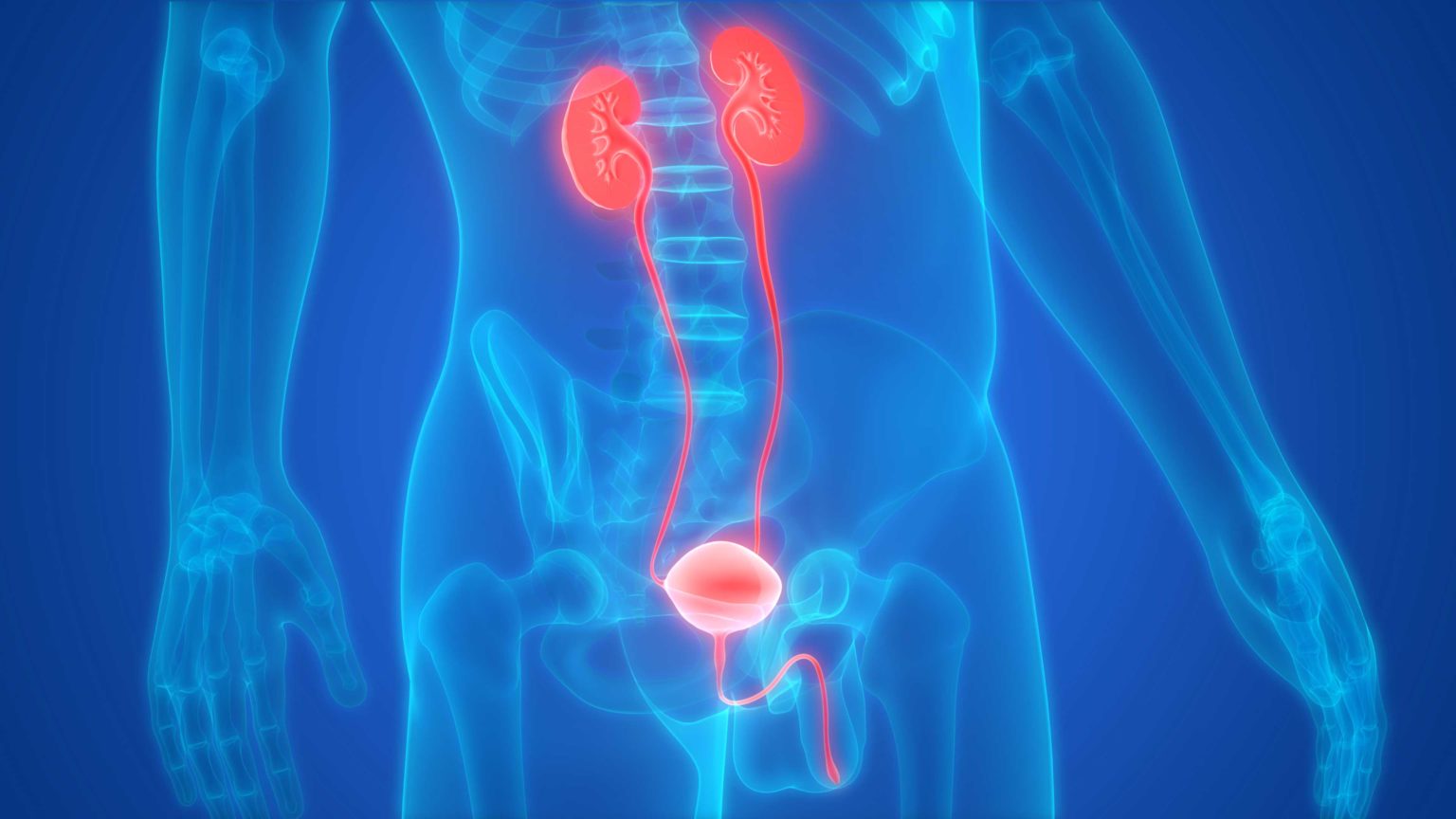
Bladder cancer originates in the bladder, a hollow organ situated in the lower abdomen that plays a vital role in the urinary system by storing urine until it is ready to be expelled from the body. The majority of bladder cancers are classified as transitional cell carcinomas. This type of cancer specifically starts in the urothelial cells, which are specialized cells that line the inside of the bladder and are also found in the ureters and urethra. These cells play a key role in the flexibility and stretching of the bladder, which is essential for its function. Apart from transitional cell carcinomas, there are other less prevalent forms of bladder cancer, including squamous cell carcinoma and adenocarcinoma. Squamous cell carcinoma develops in the flat cells that may form in the bladder after long-term infection or irritation, whereas adenocarcinoma originates from glandular cells and is known for being quite rare in the bladder.
First Sign of Bladder Cancer
The initial indication that one may have bladder cancer often presents itself as blood in the urine, a condition medically termed hematuria. The presence of blood in the urine can vary in its visibility; it may be noticeable to the naked eye, leading to reddish or brownish discoloration, or it might only be detectable through microscopic examination of a urine sample. Although the sight of blood in one's urine can be quite alarming, it is important to note that hematuria does not unequivocally signify cancer, as it can also be caused by a variety of other conditions, such as urinary tract infections or kidney stones. However, due to the potential seriousness of bladder cancer, it is imperative to seek medical evaluation promptly if blood in the urine is observed, to rule out or confirm the presence of malignancy.
Symptoms of Bladder Cancer
The symptoms of bladder cancer can be diverse and may vary significantly depending on the stage of the disease and its progression. Common symptoms that individuals with bladder cancer might experience include:
-
Blood in urine (hematuria): Visible blood can cause urine to appear pink, red, or brown, and while this is the most common symptom, its episodic appearance can often lead to a delay in medical consultation.
-
Frequent urination: A common symptom where individuals may feel an increased need to urinate more often than usual, regardless of fluid intake.
-
Painful urination: Dysuria, or pain during urination, can be another significant symptom, causing discomfort and a burning sensation during urination.
-
Urinary urgency: This involves a sudden, compelling urge to urinate, often accompanied by discomfort and can lead to urinary incontinence if not promptly addressed.
-
Pelvic pain: Pain that manifests in the lower abdomen or pelvic region can be a symptom as the cancer progresses.
Stage 1 Bladder Cancer Symptoms
In the early stages of bladder cancer, specifically Stage 1, the cancer is typically confined to the inner lining of the bladder and has not yet invaded more profound layers or spread to surrounding tissues. However, even at this nascent stage, symptoms can still be present, although they may be more subtle compared to advanced stages. Indicative symptoms might include:
-
Persistent hematuria: Consistent blood in the urine, regardless of its visibility, which becomes a recurring and concerning issue.
-
Urinary frequency or urgency: A heightened necessity to urinate frequently or the urgency to void that may interrupt daily activities and impact quality of life.
-
Discomfort during urination: Dysuria, which might not only include pain but also changes in urination patterns that are unusual for the individual.
Bladder Cancer Symptoms in Women
While bladder cancer affects both men and women, there are certain considerations and symptom variations that are more prevalent in women. It is worth noting that symptoms in women can often be mistakenly attributed to more common conditions such as urinary tract infections, leading to delayed diagnosis. Key symptoms in women include:
-
Blood in urine: Similar to men, the presence of blood within the urine or dark coloration of urine serves as a crucial indicator of potential bladder issues.
-
Pelvic pain: Women might experience significant discomfort or aching in the pelvic area, which could be misinterpreted in relation to menstrual cycles or gynecological conditions.
-
Frequent urination: An increase in the frequency of urination, even in the absence of consuming additional fluids, signifying potential irritation or infection.
-
Painful urination: Experiencing discomfort or a burning sensation when urinating may also be indicative of underlying issues related to bladder health.
What Are the Symptoms of Bladder Cancer in Women?
In addition to the symptoms mentioned above, women may observe additional signs of bladder cancer which can sometimes be misleading:
-
Unexplained weight loss: This symptom can accompany many types of cancer and indicates that the body's metabolic demands are accelerating due to the presence of cancerous cells.
-
Lower back pain on one side: Often overlooked, persistent or recurrent lower back pain on one side can be indicative of advanced stages of bladder cancer or if it has begun to spread to neighboring areas.
-
Swelling in the legs: This may occur if the cancer has affected lymph nodes or veins, leading to the obstruction of normal blood flow and fluid retention.
Diagnosis and Staging
The diagnosis of bladder cancer requires a comprehensive approach that includes multiple tests and procedures. These are crucial to determining the presence of cancer, as well as assessing its stage and extent of spread. Key diagnostic procedures involve:
-
Urinalysis: This test involves a thorough examination of urine samples to check for the presence of blood or abnormal cells, indicating potential malignancy or infection.
-
Cystoscopy: Considered a definitive diagnostic method, this procedure allows medical professionals to directly visualize the interior of the bladder using a thin tube equipped with a camera. This enables the detection of abnormalities or growths within the bladder.
-
Biopsy: In cases where abnormalities are detected during a cystoscopy, a biopsy may be performed, involving the removal of a small sample of tissue from the bladder for further histopathological analysis to confirm the presence of cancer.
-
Imaging Tests: Specialized imaging modalities such as CT scans or MRIs can provide detailed cross-sectional images of the urinary tract and help assess the extent of the tumor and whether it has spread to surrounding tissues or organs.
Stages of Bladder Cancer
Upon confirmation of bladder cancer, staging the disease is an essential process in understanding how far the cancer has progressed. Staging is determined based on the tumor's size, its penetration into the bladder wall, and its spread to other areas. The stages are categorized as follows:
| Stage | Description |
| 0 | Non-invasive tumors confined to the bladder's inner lining, known as carcinoma in situ, but not penetrating deeper tissues. |
| 1 | Tumor invades the connective tissue just beneath the bladder lining but does not affect the muscular wall of the bladder. |
| 2 | The cancer has advanced deeper, invading the muscle layer of the bladder wall, indicating a more aggressive and challenging scenario. |
| 3 | Tumor has extended beyond the bladder muscle into surrounding tissues, affecting nearby organs such as the prostate, uterus, or vagina. |
| 4 | Represents the most advanced stage, with metastasis to distant lymph nodes or organs, such as the liver, lungs, or bones, significantly complicating treatment efforts. |
Data Source: American Cancer Society
Treatment Options
Treatment for bladder cancer varies widely based on multiple factors, including the stage of cancer, the grade (how much the cancer cells differ from normal cells), and the overall health of the patient. The main treatment options encompass a range of medical and surgical interventions, each tailored to the patient's specific situation:
-
Surgery: Surgical procedures for bladder cancer can range from tumor removal via transurethral resection to more extensive surgeries such as partial or radical cystectomy, where part or all of the bladder is removed in cases of advanced disease.
-
Intravesical Therapy: This treatment involves directly delivering medication into the bladder through a catheter. It is often employed for early-stage bladder cancers and may include either immunotherapy agents or chemotherapy drugs targeting cancer cells within the bladder.
-
Chemotherapy: Systemic chemotherapy utilizes potent drugs to target and kill rapidly dividing cancer cells throughout the body. It can be used prior to surgery to shrink tumors or post-surgery to eliminate any lingering cancer cells.
-
Radiation Therapy: By using high-energy beams such as X-rays, radiation therapy targets and destroys cancerous cells, usually outside the body, and is particularly useful when surgery is not feasible.
-
Immunotherapy: A relatively newer approach, immunotherapy works by harnessing the body's own immune system to recognize and attack cancer cells, increasingly becoming a preferred option for certain types of bladder cancer.
Living with Bladder Cancer
Facing a diagnosis of bladder cancer involves not only medical treatment but also a comprehensive approach to managing life with the disease. This includes adjusting to various aspects of lifestyle and health maintenance:
-
Regular check-ups and cystoscopies: Post-treatment, it is vital for survivors to undergo regular follow-up appointments and cystoscopies to monitor for cancer recurrence and ensure the sustained health of the bladder.
-
Dietary changes: Maintaining a balanced diet with an emphasis on nutrient-rich fruits and vegetables can provide essential support to overall health and aid in recovery and energy levels.
-
Support groups: Emotional and mental well-being are fundamental aspects of coping with cancer. Joining support groups offers a community for sharing experiences, finding solace, and gathering strength from peers undergoing similar journeys.
Q&A Section
Q1: Can smoking increase my risk of developing bladder cancer?
Yes, smoking is a significant risk factor for developing bladder cancer and has been attributed to approximately half of all cases diagnosed. Carcinogens present in tobacco smoke are not only inhaled into the lungs but are also absorbed into the bloodstream, eventually being filtered by the kidneys and accumulating in the bladder, increasing the risk of cancerous cell changes.
Q2: Is blood in urine always indicative of bladder cancer?
No, while hematuria is a common symptom of bladder cancer, it is not always indicative of this disease. Blood in the urine can also result from a range of other conditions, including urinary tract infections, kidney stones, or benign prostatic hyperplasia (enlarged prostate). Therefore, medical evaluation is necessary to determine the underlying cause.
Q3: Are there any preventative measures for bladder cancer?
While there is no certain way to prevent bladder cancer, individuals can take steps to reduce their risk by minimizing exposure to known risk factors. This includes smoking cessation, using appropriate protective equipment if exposed to hazardous chemicals at work, maintaining adequate hydration, and following a healthy diet.
Q4: How often should I get screened if I have a family history of bladder cancer?
Individuals with a family history of bladder cancer should consult their healthcare provider for personalized screening recommendations. The frequency of screening may vary based on specific risk factors, family history, and any preexisting conditions that might influence cancer risk.
Q5: Can diet impact my recovery from bladder cancer?
Yes, diet can play a crucial role in the recovery process from bladder cancer. Consuming a balanced diet, rich in a variety of fruits, vegetables, whole grains, and lean proteins, can provide essential nutrients that support immune function and energy levels, while potentially aiding in cancer prevention through the intake of antioxidants and phytochemicals found in plant-based foods.
References
- https://www.cancer.org/cancer/bladder-cancer.html
- https://www.mayoclinic.org/diseases-conditions/bladder-cancer/symptoms-causes/syc-20356104
- https://www.cdc.gov/cancer/bladder/index.htm
- https://www.nhs.uk/conditions/bladder-cancer/
- https://acsjournals.onlinelibrary.wiley.com/doi/full/10.3322/caac.70011