
Finding Your Aesthetic: Fence Materials Compared
Choosing the right fence requires balancing your aesthetic preferences with your budget. Different materials offer distinct looks and price points, so understanding these differences helps you make an informed decision.
Wood Fencing: Classic Charm and Versatility
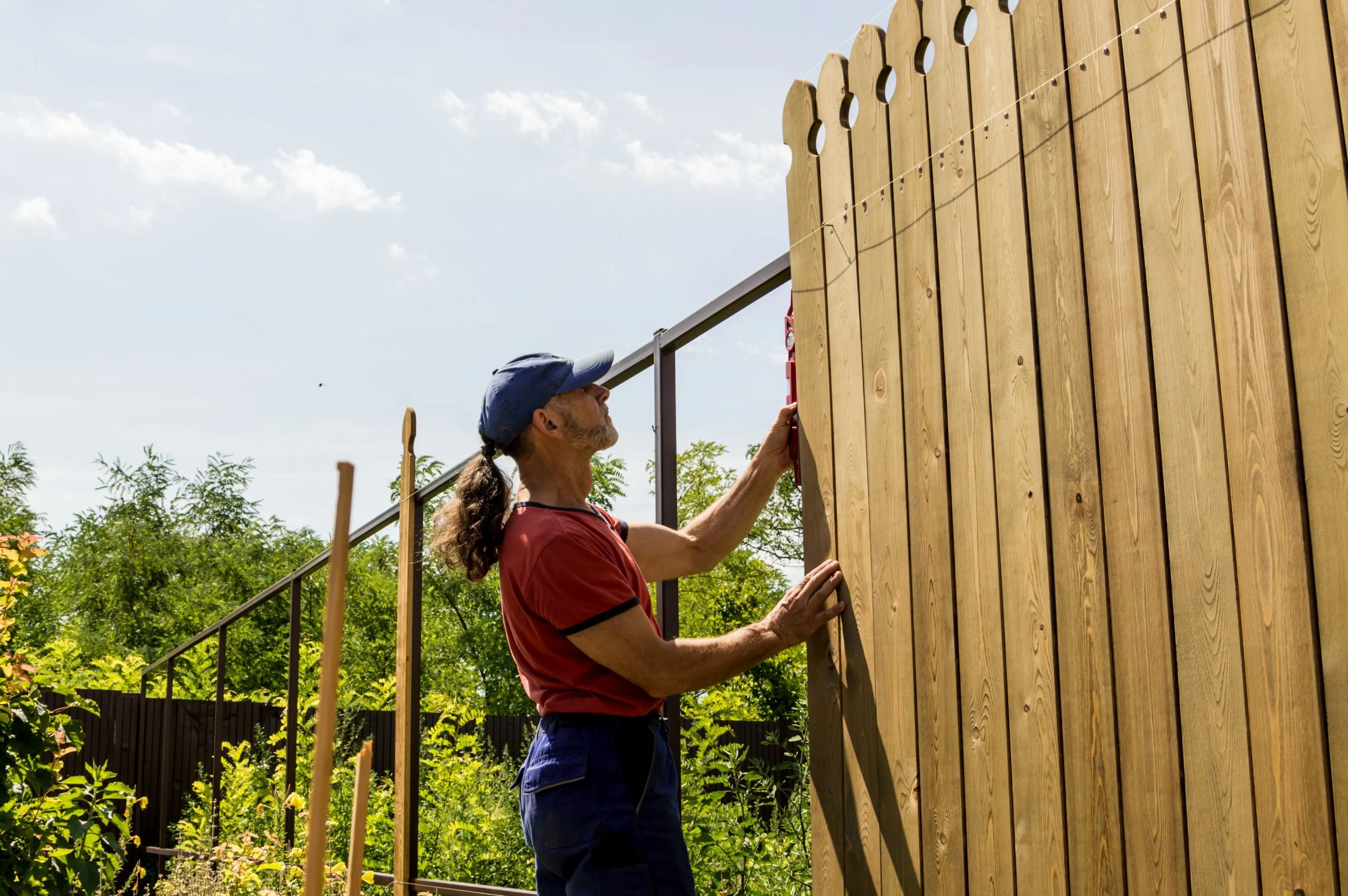
Wood fences are a timeless choice for their natural beauty and flexibility. They can be customized with paint or stain to match any home style, from rustic to modern. Popular wood types like cedar and pine offer unique grain patterns and colors.
-
Cost: Generally affordable, but varies with wood type and design complexity.
-
Maintenance: Requires periodic staining or painting to protect against rot and insect damage.
-
Longevity: With proper care, wood fences can last many years, adding charm and value to your property.
Vinyl Fencing: Low-Maintenance and Modern
Vinyl fences provide a sleek, uniform look with minimal upkeep. They are available in various colors and styles, some mimicking wood.
-
Cost: Higher initial cost compared to wood, but lower maintenance costs over time.
-
Durability: Resistant to rot, insects, and weather, requiring only occasional cleaning.
-
Longevity: A durable, hassle-free option that enhances curb appeal and adds value to your home.
Metal Fencing: Security and Elegance
Metal fences, like wrought iron and aluminum, combine security with elegance. Wrought iron offers intricate designs and durability, while aluminum is more affordable and rust-resistant.
-
Cost: Wrought iron is expensive upfront, but aluminum is budget-friendly.
-
Maintenance: Wrought iron needs regular painting to prevent rust, while aluminum requires minimal maintenance.
-
Security: Wrought iron is very strong, while aluminum is less secure but still offers a stylish boundary.
Chain-Link Fencing: Practical and Affordable
Chain-link fences are a budget-friendly, practical choice, primarily for security. They are not as visually appealing but can be enhanced with landscaping, such as adding vinyl coating or climbing plants.
-
Cost: The most affordable fencing option.
-
Durability: Very durable and requires little maintenance.
-
Aesthetic: While simple, landscaping can make chain-link fences more attractive.
Decoding the Dollars: Understanding Fence Expenses
Fence installation costs go beyond just materials and labor. Several hidden expenses can impact your budget. Let’s break down what makes up the "true cost" of your fence.
Beyond Materials and Labor
While materials and labor are the primary expenses, other costs should be considered:
-
Permits: Many municipalities require permits for fence installation, which vary in cost depending on your location.
-
Site Preparation: Uneven terrain, tree roots, or existing structures may require grading or removal, adding extra costs.
-
Old Fence Disposal: If replacing an old fence, disposal fees for materials are often added.
-
Landscaping Adjustments: Installing a fence may require moving plants or sprinkler systems.
The Impact of Fence Type and Materials
Different fence types impact the total cost:
-
Wood Fences: A classic, natural option, but requires regular maintenance like staining or painting. Prices depend on wood type (e.g., cedar, pine).
-
Vinyl Fences: Durable and low-maintenance, but higher upfront costs.
-
Other Materials:
-
Chain-Link: Affordable but less attractive.
-
Aluminum: Rust-resistant and lightweight.
-
Wrought Iron: Elegant and secure, but expensive.
-
Regional Labor Rates and Market Conditions
Labor costs vary based on location, demand, and the availability of skilled workers. Market conditions like supply chain issues or labor shortages can affect pricing. To get the best deal:
-
Research local labor rates and market trends.
-
Obtain multiple quotes from contractors to compare prices.
-
Negotiating a fair price becomes easier when you are informed about local conditions.
Long-Term Costs: Repairs and Maintenance
Consider the ongoing costs of fence ownership:
-
Wood Fences: Require frequent maintenance to prevent rot and decay.
-
Vinyl Fences: Low maintenance but may need occasional cleaning or repairs.
Getting Accurate Quotes and Avoiding Unexpected Expenses
To avoid unpleasant surprises, get detailed written quotes from contractors that include:
-
All project aspects (materials, labor, permits, disposal).
-
Potential additional costs for unforeseen issues like underground utilities or difficult soil.
Expert Tips for Choosing the Perfect Design
Choosing the right fence design involves considering factors like your property's style, your needs, and your budget. Here’s a breakdown of key considerations.
Understanding Your Needs and Style Preferences
Start by defining what you want your fence to achieve:
-
Privacy: If privacy is a priority, go for solid panel fences made of wood or vinyl. These designs offer the most seclusion, but may feel imposing.
-
Security: For security, consider wrought iron or chain-link fences. Wrought iron is elegant, while chain-link is more affordable.
-
Aesthetics: If appearance is your main concern, look at picket fences, split-rail fences, or custom designs that complement your home.
Exploring Different Fence Materials and Their Costs
The material you choose affects both the look and cost of your fence. Here are some common options:
-
Wood: A classic choice offering natural beauty and versatility. Budget-friendly options like pressure-treated pine, or more durable, attractive options like cedar and redwood. However, wood requires regular maintenance (staining/painting) to prevent rot.
-
Vinyl: Low-maintenance, resistant to rot, insects, and fading. Higher initial cost than wood, but lower long-term maintenance costs make it a cost-effective choice.
-
Wrought Iron: Elegant, durable, and offers excellent security. However, it’s expensive and requires regular painting to prevent rust.
-
Chain-Link: The most affordable option for security, durable, and low-maintenance. However, it may not be as visually appealing to some.
Considering Height, Terrain, and Local Regulations
- Height: Taller fences offer more privacy and security but are generally more expensive.
- Terrain: Sloping yards may require special techniques to ensure the fence is level and visually appealing.
- Local Regulations: Check local zoning ordinances for rules on fence height, materials, and placement. Not complying with regulations can lead to fines or the need to remove and rebuild your fence.
Debunking Myths: DIY vs Professional
Building a fence is a great way to enhance your property’s appearance, privacy, and security. Whether you’re thinking of a wood or metal fence, understanding the costs and installation methods is essential. Let’s debunk common myths about DIY versus professional fence installation to help you make an informed decision.
Myth: DIY is Always Cheaper
While DIY installation seems cheaper by avoiding labor costs, the savings can be misleading:
-
Material Costs: Professionals often get better deals on materials due to supplier relationships.
-
Hidden Costs: Mistakes like improper post depth or alignment can lead to expensive repairs.
-
Tool Costs: If you don’t own the necessary tools, you’ll need to rent or buy them, adding to the cost.
Myth: Fence Installation is Simple
Fence installation requires more skill than it appears:
-
Complex Tasks: Precise measurements, digging, post alignment, and securely attaching panels require expertise.
-
Uneven Terrain: Sloped yards require techniques like racking or stepping panels to ensure a uniform appearance.
Myth: Any Fence Will Do for Pets
Not all fences are suitable for keeping pets secure:
-
Durability: DIY pet fences often lack the strength to resist digging or chewing.
-
Customization: Professionals can use stronger materials and customize the fence (e.g., burying it deeper or adding barriers).
-
Warranties: Professional installations often come with warranties, offering peace of mind.
Myth: DIY Security is Sufficient
DIY security solutions may offer some protection, but professional installation provides higher reliability:
-
Stronger Barriers: Professionals consider factors like height, material strength, and gate security for optimal protection.
-
Regulation Compliance: They ensure the fence complies with local security regulations.
-
Warranties: Professional installations often include warranties, adding further security.
Myth: Permits and Regulations are Unimportant
Skipping permits and regulations can lead to legal problems:
-
Regulatory Compliance: Many areas have strict rules about fence height, materials, and setbacks from property lines.
-
Professionals Handle Permits: They are familiar with local building codes and can manage the permit process for you.
-
Avoid Delays: DIYers may overlook these requirements, resulting in costly delays and fines.
Question and Answer
-
What factors influence the cost breakdown of fence installation in Canada?
The cost of fence installation in Canada is influenced by several factors beyond just materials and labor. Key elements include permit fees, which vary by municipality, and site preparation costs, such as grading or clearing obstacles. The type of material chosen (wood, vinyl, metal, etc.) also affects cost, as does the complexity of the design. Additional expenses may arise from the removal of old fencing and necessary landscaping adjustments. Regional labor rates and market conditions can further impact the overall cost, with skilled labor potentially being more expensive in areas with high demand.
-
How do perimeter fence designs impact both aesthetics and functionality?
Perimeter fence designs significantly impact both aesthetics and functionality by defining the property boundary and enhancing the home's exterior appearance. Options like wood offer a classic and warm look, while vinyl provides a modern and clean appearance. Metal fences, such as wrought iron, add elegance and security. The choice of design should reflect the homeowner's style preferences and functional needs, such as privacy or security. For example, solid panel fences offer privacy, while decorative fences like picket styles enhance curb appeal without compromising visibility.
-
Why should I consider hiring professional fence installers in my area?
Hiring professional fence installers in Canada offers several advantages. Professionals bring expertise in selecting suitable materials and designs that comply with local regulations. They ensure precise installation, reducing the risk of future repairs due to improper setup. Professionals also have access to quality materials at competitive prices, and their experience with local soil and terrain can prevent common pitfalls. Furthermore, they handle necessary permits and adhere to zoning laws, ensuring legal compliance. This expertise not only saves time and potential legal issues but also extends the longevity and performance of the fence.
-
What should I look for when choosing fence contractors near me?
When selecting fence contractors in Canada, consider their experience and reputation in the local market. Look for contractors with a strong portfolio of completed projects and positive customer reviews. Ensure they offer a detailed quote that includes all costs, from materials and labor to permits and potential unforeseen expenses. Verify that they are licensed and insured, providing protection against liability and ensuring compliance with local building codes. Additionally, inquire about warranties for workmanship and materials, which can offer peace of mind and safeguard your investment.
-
Are there specific considerations for fence installation in Canadian climates?
Yes, Canadian climates present unique challenges for fence installation, such as harsh winters and variable soil conditions. It's important to choose materials that withstand extreme weather, like vinyl or treated wood, which resist moisture and temperature fluctuations. Proper installation techniques, such as setting posts below the frost line, prevent heaving during freeze-thaw cycles. Additionally, consider using rust-resistant materials like aluminum for metal fences. Local contractors are familiar with these conditions and can provide solutions tailored to regional climate impacts, ensuring the fence's durability and performance.