
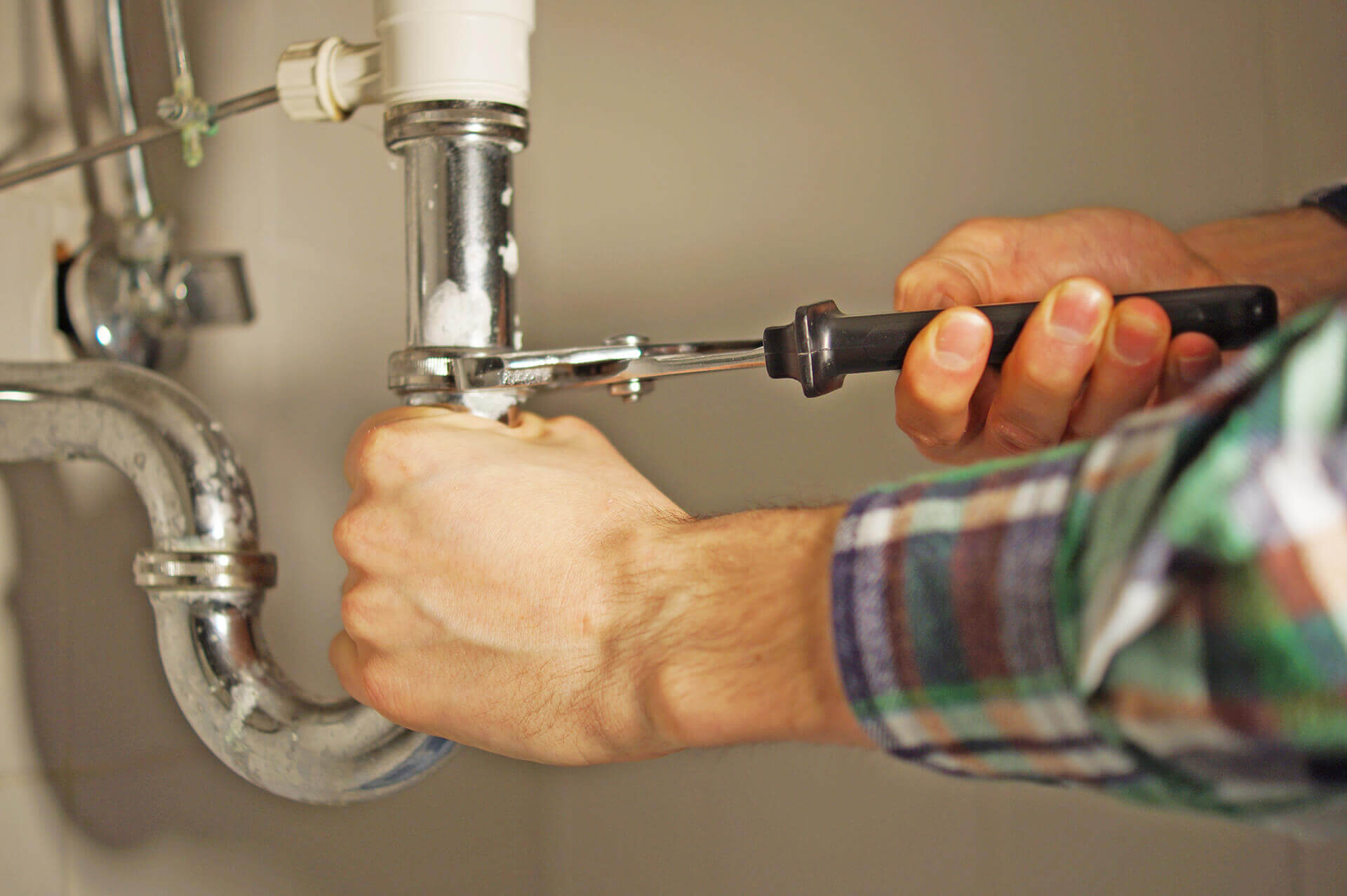
Why Leak Repairs Matter
Leak repairs are essential not just for preventing water damage but also for ensuring the safety and longevity of your home. A small leak can quickly escalate into a major problem, causing structural issues, mold growth, and even health risks.
Common Causes of Roof Leaks
-
Damaged Roof Flashing: Flashing seals the joints on your roof where different surfaces meet. When flashing becomes cracked or corroded, leaks can occur.
-
Missing or Broken Shingles: Shingles protect your roof from water infiltration. Missing or damaged shingles leave vulnerabilities that lead to leaks.
-
Clogged Gutters: Gutters channel water away from your roof. If clogged, water can pool and seep through roofing materials.
-
Poor Installation: Issues stemming from improper roofing installation, such as gaps or uneven surfaces, can lead to leaks.
-
Age of Roofing Materials: Roofing materials degrade over time, losing their ability to repel water effectively.
Identifying Roof Leaks
Spotting a leak early can prevent extensive damage to your home. Look for these signs:
Interior Signs
-
Soft Drywall: Water leaking into your home can soften drywall, causing sagging or discoloration.
-
Water Stains: Brown or yellow stains on ceilings or walls indicate water infiltration.
-
Mold Growth: Persistent leaks can lead to mold and mildew, often accompanied by a musty smell.
Exterior Signs
-
Cracked Flashing: Visible damage around roof joints suggests compromised flashing.
-
Shingle Damage: Look for curling, missing, or broken shingles during visual inspections.
-
Pooling Water: Water pooling on flat roofs or near gutters is a sign of drainage issues.
Diagram: Common Leak Trouble Spots
|
Area
|
Potential Issues
|
Signs
|
|
Roof Flashing
|
Cracked or corroded
|
Visible gaps or rust
|
|
Gutters
|
Clogged or broken
|
Overflowing water
|
|
Skylights
|
Poor installation
|
Water pooling around edges
|
|
Chimney Base
|
Faulty sealing
|
Moisture or discoloration
|
Roofing Basics: Repairing Leaks
Repairing a leak requires a systematic approach to ensure the issue is resolved effectively and doesn’t recur.
Temporary Fixes
-
Tarp Covering: Use a tarp to cover the leak temporarily until professional help arrives.
-
Roof Sealant: Apply sealant to cracked flashing or small gaps for immediate relief.
Permanent Solutions
-
Replacing Damaged Shingles: Remove old shingles and replace them with new ones, ensuring proper alignment and sealing.
-
Repairing Flashing: Replace cracked or corroded flashing, using durable materials to seal joints securely.
-
Cleaning Gutters: Ensure gutters are clear of debris to prevent water pooling and overflow.
-
Inspecting Roof Underlayment: Check the protective layer beneath shingles for damage and replace if necessary.
Competitive Points Across Roofing Solutions
Homeadvisor Roofing
-
Advantages: Offers a network of vetted professionals for leak repairs and maintenance.
-
Drawbacks: Reviews highlight occasional delays in provider response.
Airtasker Roofing
-
Advantages: Allows homeowners to connect with independent contractors for small roofing jobs.
-
Drawbacks: Quality of work can vary depending on contractor experience.
Plumber Murphy TX
-
Advantages: Specializes in plumbing-related leak repairs, such as fixing roof leaks caused by pipe damage.
-
Drawbacks: Limited expertise in comprehensive roofing repairs.
Comparison Table: Features of Roofing Service Providers
|
Provider
|
Specialization
|
Average Cost
|
Customer Feedback
|
|
Homeadvisor Roofing
|
Vetted professionals
|
150-500 per repair
|
Reliable but occasional delays
|
|
Airtasker Roofing
|
Small independent jobs
|
100-300 per repair
|
Mixed reviews; depends on contractor
|
|
Plumber Murphy TX
|
Plumbing-related leaks
|
200-400 per repair
|
Effective but limited to plumbing issues
|
Preventing Roof Leaks
Prevention is always better than cure when it comes to roof leaks. Regular maintenance can help avoid costly repairs.
Steps for Prevention
-
Annual Inspections: Conduct a professional roof inspection at least once a year to spot potential issues early.
-
Clean Gutters: Ensure gutters are cleared regularly to avoid water pooling.
-
Trim Overhanging Trees: Prevent branches from damaging roofing materials during storms.
-
Check Roof Flashing: Inspect flashing for signs of rust or cracks and replace as needed.
-
Install Proper Ventilation: Adequate ventilation prevents moisture buildup, protecting roofing materials from damage.
Roofing Process: What to Expect During Repairs
Understanding the roofing process can help homeowners feel more confident when repairs are necessary.
Step-by-Step Process
-
Inspection: A professional assesses the extent of the leak and identifies its source.
-
Preparation: Damaged materials are removed, and the area is cleaned for repair.
-
Repair: New materials, such as shingles or flashing, are installed.
-
Testing: The repaired area is tested for leaks using water or visual inspection.
-
Cleanup: The roof is cleaned, and debris is removed from the site.
Frequently Asked Questions
Q: How do I know if I need professional help for a leak?
A: If you notice persistent water stains, soft drywall, or visible damage to shingles or flashing, it’s best to consult a professional roofer.
Q: Are temporary fixes like tarps effective?
A: Temporary fixes can prevent immediate water damage but should not be relied upon as permanent solutions.
Q: What is the average cost of leak repairs?
A: Costs typically range from $150 to $500, depending on the extent of the damage and the materials required.
Q: How often should I inspect my roof?
A: Conduct inspections annually or after severe weather events to catch potential issues early.
Q: What’s the best material for roof flashing?
A: Aluminum and galvanized steel are popular choices due to their durability and resistance to corrosion.
Leak repairs are an essential aspect of home maintenance, requiring timely action and professional expertise. By understanding the causes, prevention methods, and repair processes, homeowners can protect their property and ensure long-term durability.